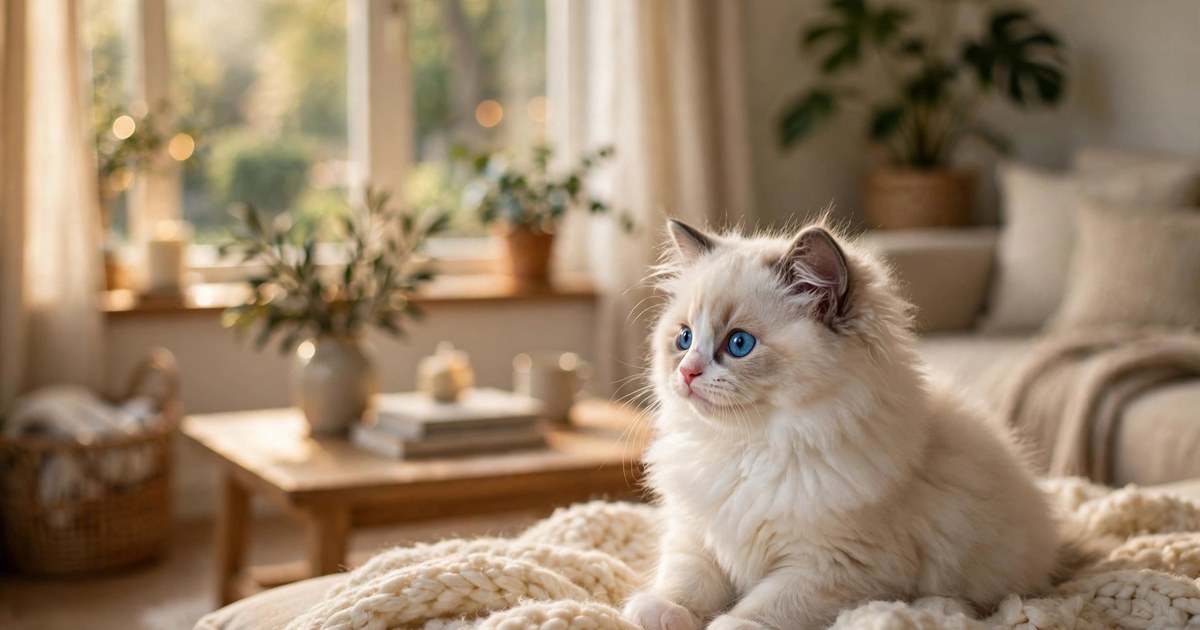
A purebred kitten from a reputable breeder typically costs $800 to $3,500 in 2026, depending on the breed, the kitten's quality tier, and what's included in the price. Common breeds sit at the lower end, while Ragdolls, Maine Coons, and Bengals usually run $1,500 to $3,500 — and rare breeds can reach $6,000 or more.
That wide range confuses a lot of first-time buyers, because two kittens of the same breed can be listed $1,000 apart and both prices can be honest. The difference is usually what's behind the price: health testing, pedigree papers, early vet care, and the breeder's reputation. This guide breaks down the real 2026 prices by breed, explains what your money buys, and adds up the full first-year budget.
How Much Does a Purebred Kitten Cost in 2026? The Short Answer
If you want one number to budget around, plan on $1,500 to $2,500 for a pet-quality purebred kitten from a health-testing breeder. The Cat Fanciers' Association (CFA) puts the typical range at $300 to $1,500, but that reflects the cheapest end of the market; breeders who health-test, register, and vet-check their kittens generally charge more.
| Breed Tier | Example Breeds | Typical Price Range |
|---|---|---|
| Entry-level purebred | American Shorthair, Domestic Siamese | $800 – $1,200 |
| Mid-range | Oriental Shorthair, Cornish Rex, Russian Blue, Burmese | $1,200 – $2,500 |
| Premium | Maine Coon, Ragdoll, Persian, Bengal, British Shorthair | $1,500 – $3,500 |
| Rare and hybrid | Savannah, Scottish Fold, Sphynx, Devon Rex | $2,000 – $6,000+ |
For comparison, adopting a kitten from a shelter usually costs $50 to $200, and that fee typically covers the first vaccines and the spay or neuter. The gap is real — but so is the difference in what you're buying: a documented pedigree, predictable looks and temperament, and a breeder who stands behind the kitten. See How Much Does It Cost to Adopt a Cat in 2026? for the shelter side of the math.
Purebred Kitten Prices by Popular Breed
Breed is the single biggest price driver. Typical 2026 ranges for pet-quality kittens from reputable, health-testing breeders:
- Ragdoll: $1,500 – $3,500. One of the most in-demand breeds in the US, and prices reflect it. Show-quality Ragdolls start around $3,000.
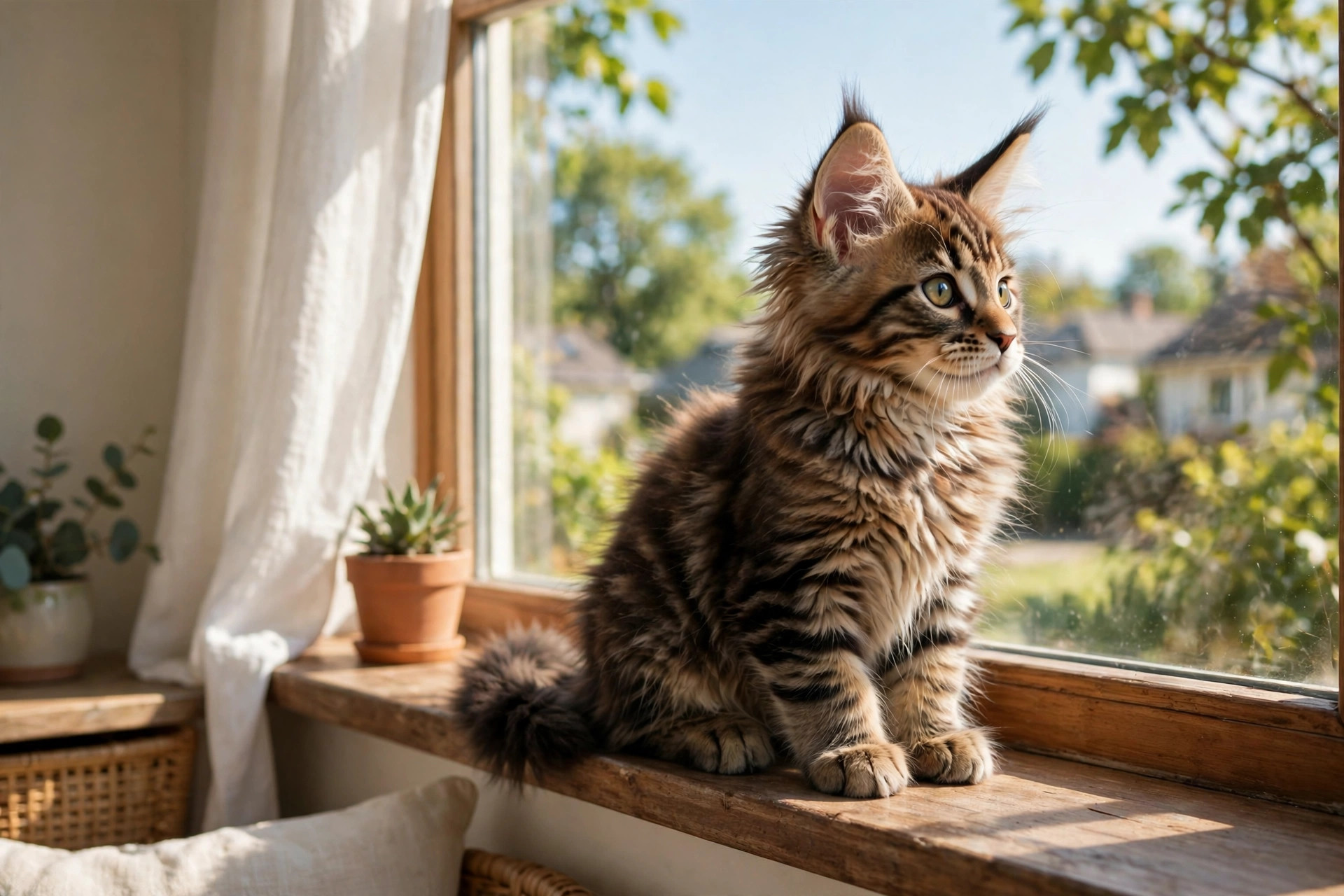
- Maine Coon: $1,500 – $3,500, with many quality breeders pricing in the $2,000 – $2,800 band. See our breed-specific breakdown in How Much Does a Maine Coon Kitten Cost in 2026?.
- Bengal: $1,500 – $3,000 for pet quality. Price varies more than most breeds because coat quality and generation matter a lot.
- British Shorthair: $800 – $2,500. One of the more affordable premium breeds, though rare colors cost more.
- Persian: $800 – $3,500, with the top end reserved for show-line kittens.
Two warnings about these numbers. First, a price far below the range for its breed — say, a $400 Ragdoll — is a red flag, not a bargain. Second, prices vary by region: kittens in high-cost cities typically cost 10–20% more than the national middle of the range.
Pet, Show, and Breeding Quality: Why the Same Breed Has Three Prices
The same litter can produce kittens at three very different prices. Understanding the tiers stops you from overpaying — or from accidentally buying a show kitten when you wanted a pet.
Pet quality ($800 – $3,500)
This is the tier most families buy: a healthy, well-socialized purebred with full pedigree papers, but with a small trait that keeps it out of the show ring — an off-standard coat marking or ear set. None of this affects health or personality, and pet-quality kittens are usually sold with a spay/neuter agreement.
Show quality ($3,000 – $6,000+)
These kittens closely match the breed standard and are sold to people who plan to compete. Unless you plan to enter cat shows, this tier is money you don't need to spend.
Breeding quality ($4,000+)
Sold only to other registered breeders. Anyone offering "breeding rights" to a first-time buyer for a small extra fee is a warning sign.
What the Purchase Price Usually Includes
A reputable breeder's price is not just for the kitten — it bundles care and paperwork. A $1,200 kitten that includes everything below can be a better deal than a $900 kitten that includes nothing, so check the list before comparing prices.
- First vet exam and vaccines — usually the first round, given before the kitten goes home at 12–14 weeks.
- Deworming and a fecal check.
- Microchip, often already registered or ready to transfer.
- Pedigree papers from a registry such as TICA or the CFA.
- Health guarantee — typically 1–2 years against genetic conditions, in writing.
- Spay/neuter agreement or, in some cases, the procedure already done.
- Starter kit — a small bag of the kitten's food, a blanket that smells like its littermates, and care instructions.
- Early socialization — handling, household sounds, and litter-box training.
Ask for the inclusion list in writing before you pay a deposit. If a breeder can't or won't itemize it, that tells you something about how the program is run.
5 Factors That Move the Price Up or Down
- Breed rarity and demand. A breed with long waitlists costs more than one with kittens available today.
- Health testing. Breeders who screen parent cats for breed-specific genetic conditions spend hundreds of dollars per cat on testing — and charge accordingly.
- Pedigree and show lines. Kittens from champion bloodlines cost more, even at pet quality.
- Coat color and pattern. Rare colors (silver, lilac, rosetted Bengals) command premiums; standard colors cost less.
- Region and reputation. Prices run higher in expensive metro areas, and established breeders with health guarantees and show records charge more — the gap is usually worth it.
First-Year Costs Beyond the Purchase Price
The kitten's price is only the beginning. Budgeting $3,000 to $5,000 for the whole first year, including the purchase, is realistic. Here's where the rest goes:
| First-Year Expense | Typical Cost |
|---|---|
| Purchase price (pet quality) | $800 – $3,500 |
| Spay or neuter (if not included) | $150 – $500 |
| Remaining vaccine series + vet exams | $150 – $300 |
| Microchip (if not included) | $25 – $75 |
| Food (first year) | $240 – $480 |
| Litter (first year) | $180 – $300 |
| Scratcher, bed, carrier, bowls, toys | $150 – $300 |
| Pet insurance (optional, first year) | $300 – $600 |
| First-year total | $3,000 – $5,000+ |
After the first year, the ASPCA estimates routine cat ownership at roughly $1,149 per year. Our First-Year Kitten Costs: The Real 2026 Breakdown goes line by line through every expense if you want to build your own budget.
5 Red Flags That Mean "Walk Away"
A cheap purebred kitten is almost never a bargain — it's usually a sign that something was skipped: health testing, vet care, socialization, or registration. Walk away if you see any of these:
- Price far below the breed's range. A Ragdoll or Maine Coon advertised at $300–$800 is a red flag — responsible breeding costs real money.
- No questions asked. Good breeders ask about your home; a seller who asks nothing doesn't care where the kitten goes.
- No health guarantee in writing. A verbal promise is worth nothing. The guarantee should name the conditions covered and the time period.
- No pedigree papers, or "papers cost extra." Registration is part of a purebred purchase, not an upsell.
- Kittens younger than 12 weeks going home. Kittens need those weeks with their mother and littermates. Anyone offering an 8-week-old purebred is cutting corners.
How to Vet a Breeder, Step by Step
- Start with the registries. The Cat Fanciers' Association (cfa.org) and TICA list registered breeders. A breeder who shows and registers their cats has a reputation to protect.
- Ask for health-testing proof. Ask which genetic conditions the breed is screened for and request the parent cats' test results. A good breeder answers happily; a bad one dodges it.
- Visit if you can. Look for clean spaces, confident kittens, and a healthy mother cat on site. If a visit isn't possible, ask for a live video call — not just photos.
- Read the contract before paying. It should cover the health guarantee, spay/neuter terms, return policy, and what happens if a genetic condition appears.
- Pay by traceable method. A deposit by card or bank transfer leaves a record. Cash-only, gift cards, or wire transfers to a personal account are all red flags.
For general guidance on choosing and caring for a new cat, the ASPCA's cat care pages (aspca.org/pet-care/cat-care) and the Cornell Feline Health Center (vet.cornell.edu) are solid starting points.
Is a Purebred Kitten Worth the Price?
A purebred kitten is worth the price if you want a predictable temperament and look, a documented pedigree, a health-tested lineage, and a breeder you can call with questions. It's not worth it if you just want a loving companion and don't care about breed traits or papers — shelter kittens cost $50 to $200 and make equally wonderful pets. And a purebred kitten is never worth it from a breeder who skips health testing or sells too young: the vet bills and heartache that follow cost far more than the money you "saved."
Frequently Asked Questions
How much does a purebred kitten cost on average?
Typically $800 to $3,500 in 2026, with most popular breeds landing between $1,500 and $2,500.
What is the cheapest purebred kitten breed?
Among recognized breeds, the American Shorthair and the domestic Siamese tend to be the most affordable, usually $800 to $1,200 for a pet-quality kitten. Even so, a kitten priced far below its breed's range is a warning sign, not a deal.
Why are Ragdoll and Maine Coon kittens so expensive?
Both breeds are extremely popular, have long breeder waitlists, and cost more to breed well. Pet-quality Ragdolls and Maine Coons typically run $1,500 to $3,500.
Does the price include vaccines and papers?
Yes — the price usually includes the first vet exam and vaccines, deworming, a microchip, pedigree papers, and a written health guarantee. Always ask for the inclusion list in writing before paying a deposit.
Is it cheaper to adopt a purebred cat from a shelter?
Sometimes. Breed-specific rescues occasionally have purebred cats for $50 to $300, but availability is unpredictable and you usually won't get pedigree papers.
How much should I budget for the first year with a purebred kitten?
Budget $3,000 to $5,000 for the full first year, including the purchase. After that, routine ownership runs roughly $1,000 to $1,200 a year.
Final Thoughts
A purebred kitten is a 15-plus-year commitment, and the purchase price is only the first line of the budget. Pick the breed for its temperament, vet the breeder before paying, and know the full first-year cost. Do that, and the price you pay buys you something real: a healthy, well-socialized kitten from someone who stands behind it.
Once your kitten is home, find out how old it is in human years with our Cat Age Calculator.