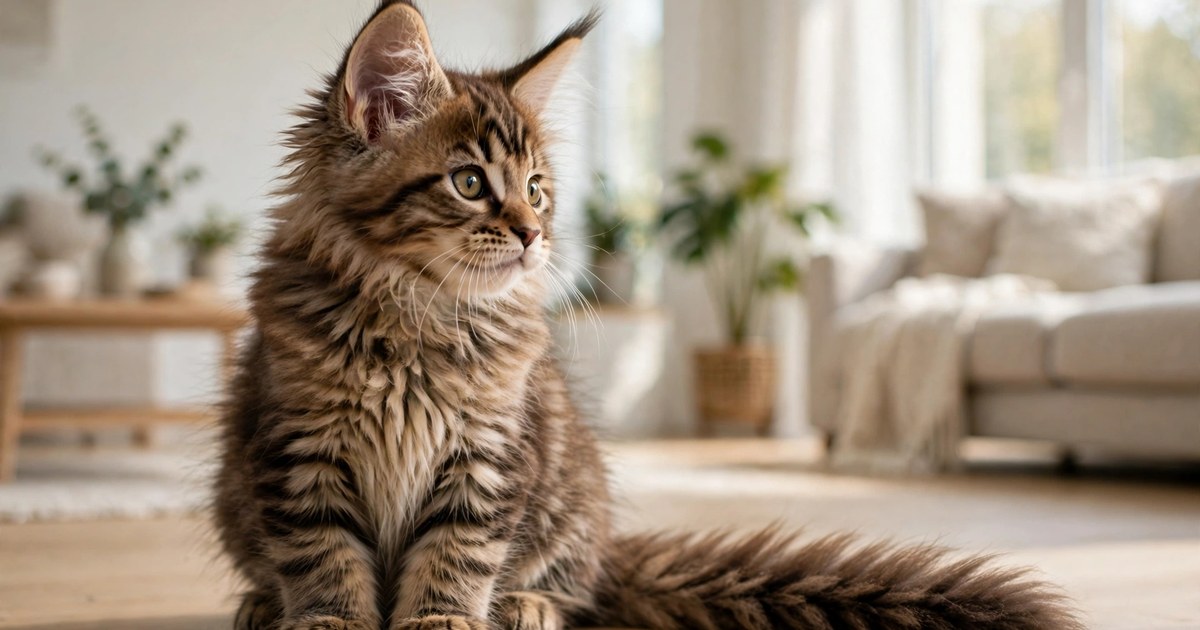
A Maine Coon kitten is one of the most expensive cats you can buy — and the price tags you see online disagree with each other by thousands of dollars. One guide says $1,000, another says $3,500, and a breeder's own website might quote $4,200. If you are budgeting for one of these gentle giants, that confusion is the first problem to solve.
This guide sorts it out: the real 2026 price ranges, what each tier includes, the full first-year budget beyond the purchase price, and a step-by-step buying process that keeps you away from scams. Every figure is a reported planning range, not a quote — prices vary by breeder, region, and pedigree, so confirm with current listings before you commit.
The Short Answer: Maine Coon Kitten Prices in 2026
A pet-quality Maine Coon kitten from a registered, health-testing breeder typically costs $1,500 to $3,000 in the United States in 2026. That is the planning band most buyers should budget for. Kittens sold with show potential or breeding rights usually start near $3,000 and can pass $5,000. Adoption through a rescue costs a fraction of either — usually $100 to $450.
Why do guides disagree? They measure different things: a $1,000 kitten and a $3,500 kitten are rarely the same product — one from a small registered cattery, the other from a championship bloodline with full breeding rights. The table lines up the tiers so you can compare like with like.
| Source and tier | Typical price in 2026 | What you usually get |
|---|---|---|
| Pet-quality kitten, registered breeder | $1,500 – $3,000 | TICA or CFA registration, first vet checks, microchip, spay/neuter contract, health guarantee |
| Show-quality kitten | $2,500 – $3,500 | Everything above, plus show potential and full registration papers |
| Breeding-rights kitten | $3,000 – $5,000+ | Everything above, plus breeding rights and a champion pedigree |
| Retired adult from a breeder | $300 – $800 | Spayed or neutered, socialized, usually fully vetted |
| Rescue or shelter adoption | $100 – $450 | Spay/neuter, first vet checks, microchip — purebreds are rare in shelters |
Two notes on those numbers. First, the low end ($1,000–$1,500) usually means a newer or smaller cattery, or a lower-cost region — not a discount on the same kitten. Second, anything under $800 from a breeder should make you suspicious: it usually means no health testing, a mixed-breed cat labelled as purebred, or a scam. More on red flags below.
Why Maine Coon Kittens Cost So Much
Maine Coons are the largest domestic cat breed, and everything about raising them costs the breeder more. The four drivers below help you judge whether a price is fair — or inflated.
1. Registration and pedigree
Reputable breeders register litters with The International Cat Association (TICA) or the Cat Fanciers' Association (CFA). Registration papers prove the kitten's lineage, and the breeder pays fees for every kitten. The CFA lists the Maine Coon among its most popular pedigreed breeds — that demand keeps prices high. An unregistered kitten is cheaper, but you have no independent proof of what you are buying.
2. Health screening of the parents
Serious catteries screen their breeding cats before every litter — most often a DNA test for the HCM gene, a heart ultrasound by a veterinary cardiologist, and a DNA test for SMA (spinal muscular atrophy). One heart ultrasound can cost $300–$500 per cat, and a cattery with several breeding cats pays that every year. That cost is built into the kitten price, and it is one of the clearest differences between a $1,500 kitten and a $500 one.
3. Slow growth and long care
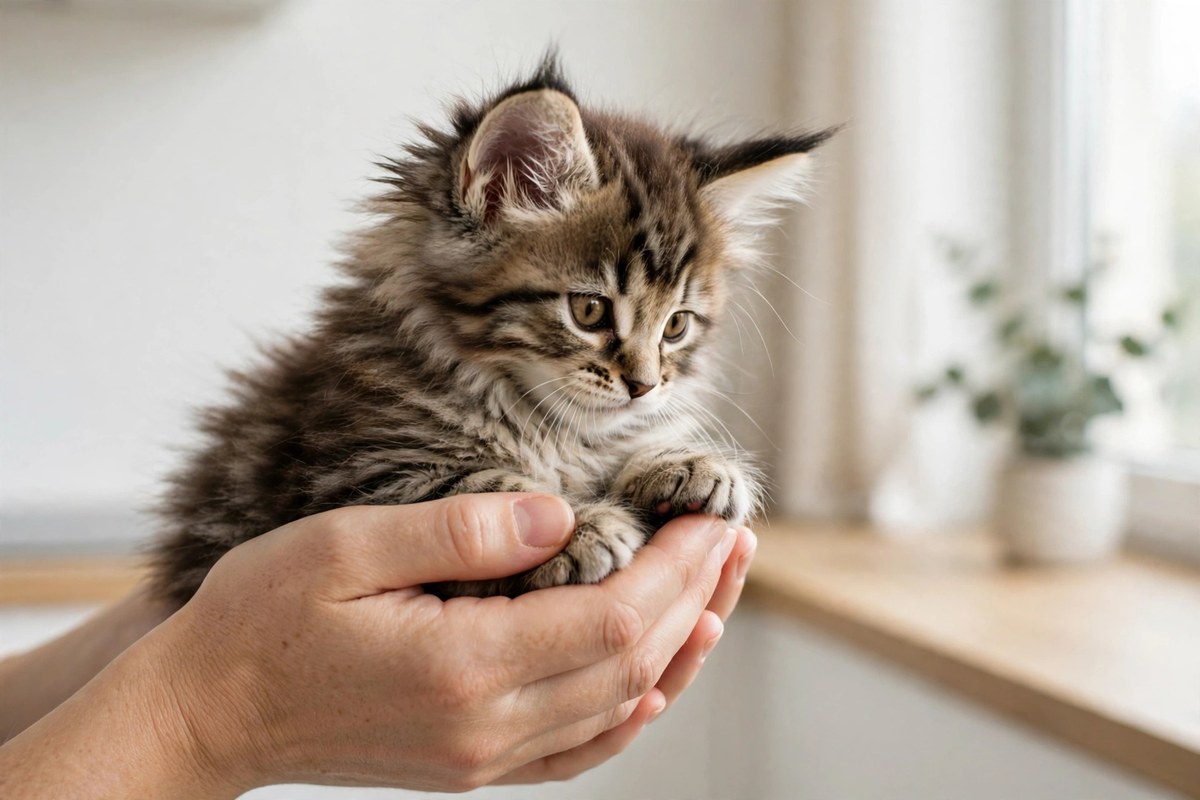
Maine Coon kittens stay with the breeder longer than most breeds — typically 12 to 16 weeks — because they mature slowly and need more socialization before going home. Every extra week is food, litter, vet checks, and hands-on time the breeder pays for. A kitten offered at 8 weeks for a low price is a warning sign, not a bargain.
4. Size, demand, and region
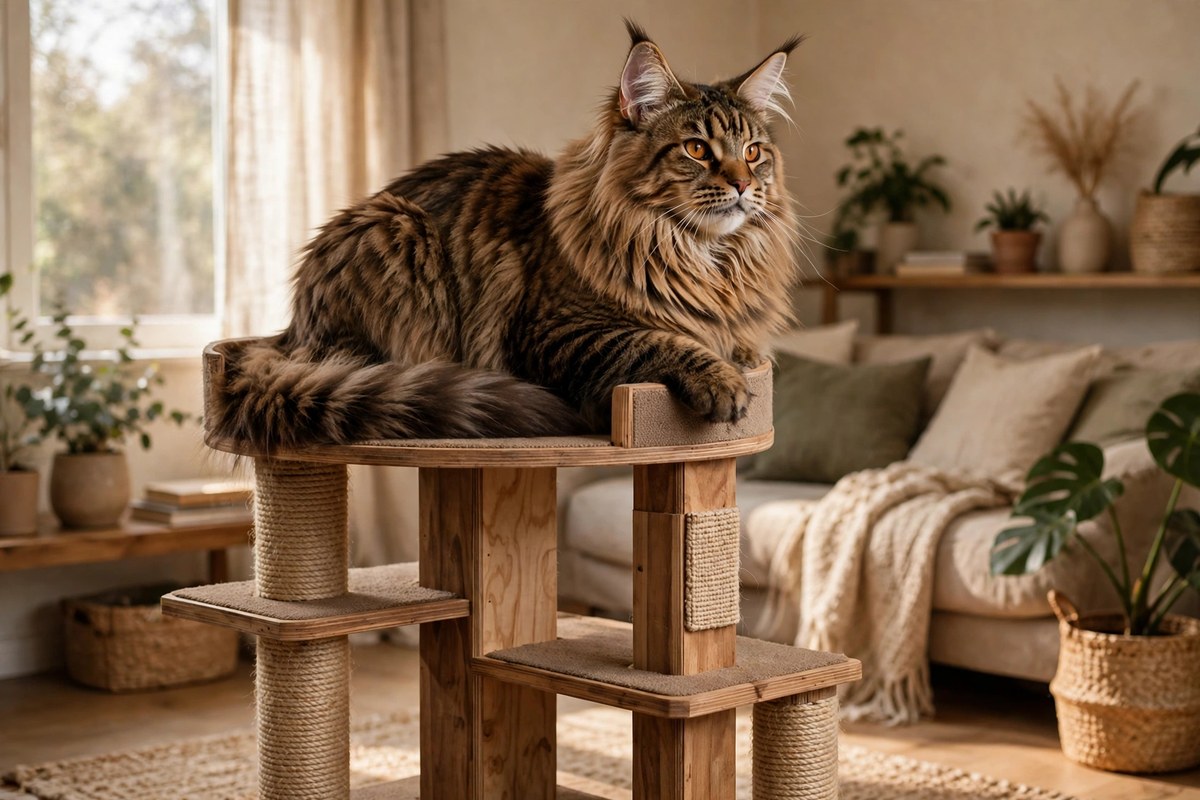
A Maine Coon eats more, needs a bigger litter box, and outgrows small cat trees — and buyers know it. High demand plus a limited number of registered catteries pushes prices up, and prices run higher on the coasts and in big cities than in rural areas. Rare coat colours and imported European bloodlines can add hundreds of dollars.
What Should Be Included in the Price?
A fair breeder price is not just the kitten — it is a package. Before comparing two prices, check both include the same things:
- TICA or CFA registration papers proving pedigree
- First vet checks and preventive care with written records
- Microchip already implanted and registered
- A written health guarantee (commonly 1 year) and a return clause
- A spay/neuter agreement for pet-quality kittens
- A starter kit — food the kitten already eats, plus care instructions
- Lifetime breeder support after the sale
If a breeder's price excludes most of these, the headline number is misleading. Ask for an itemized list in writing before you pay a deposit, and compare packages — not just prices.
First-Year Costs Beyond the Kitten
The purchase price is only the first bill. Guides tracking total first-year spending put the additional first-year cost at roughly $1,000 to $2,500 on top of the kitten, with the total (kitten plus setup) commonly landing between $2,500 and $6,000. The table breaks down where that money goes, using broad planning ranges based on typical US retail prices — budgeting bands, not quotes.
| First-year item | Planning range | Notes for Maine Coons |
|---|---|---|
| Extra-large litter box (or two) | $30 – $80 | Standard boxes are too small for adults |
| Tall, sturdy cat tree or scratcher | $80 – $250 | Must hold 15–25 lb; cheap trees tip over |
| Carrier (large) | $40 – $90 | Buy adult size now; kitten carriers are outgrown fast |
| Food (first year) | $480 – $840 | About $40–$70 a month |
| Litter (first year) | $240 – $480 | About $20–$40 a month |
| First vet visits and routine care | $200 – $400 | Wellness exams in year one |
| Bedding, bowls, toys, grooming tools | $50 – $120 | Large bowls, wide bed, long-coat brush |
| Pet insurance (optional, first year) | $300 – $600 | Optional; common for a high-value breed |
The single biggest first-year mistake is buying kitten-sized gear. A Maine Coon grows fast and keeps growing for 3 to 5 years. Buying the adult-size litter box, carrier, and cat tree once costs less than replacing small ones twice.
Ongoing Yearly Costs After Year One
Once the setup is done, the yearly cost settles down — but it stays higher than for an average cat, because the cat is bigger and eats more. Published guides report roughly $800 to $1,500 a year on the low end and $1,500 to $3,000 on the high end. A sensible planning budget is $1,200 to $2,000 a year for food, litter, routine vet care, and basic supplies, before emergencies.
Over a 12- to 15-year lifespan, total lifetime spending is commonly estimated at $15,000 to $35,000, including the purchase price and routine care. That is why the kitten price deserves a full budget, not a one-line answer. If you want a personal estimate, run your numbers through our cat cost calculator and compare them with the average cost of owning a cat per year.
How to Buy a Maine Coon Kitten Safely: 6 Steps
A good breeder expects questions. A bad one rushes you. Follow these steps in order, and do not send money until step 5 is done.
Step 1: Decide your tier and budget
Choose pet-quality, show-quality, or breeding rights before you start shopping, and set a total budget that includes the first-year setup — not just the kitten price. Most families want a pet-quality kitten, which is also the cheapest tier.
Step 2: Find registered catteries
Start with the TICA and CFA breeder directories, or a breed club referral. A registry listing is not a guarantee, but it is a basic filter that removes most backyard sellers. Ask friends with Maine Coons for referrals too.
Step 3: Ask for health-testing documentation
Ask which screenings the parents have had and when, and ask to see the paperwork. Responsible breeders test for HCM and SMA and show records willingly. A breeder who cannot produce documentation is a breeder to walk away from.
Step 4: Meet the kitten and the parents
Visit the cattery in person if you can, or at least take a live video call. You should see clean living areas, confident kittens, and the mother cat on site. A breeder who refuses visits, only sends photos, or wants to meet in a parking lot is hiding something.
Step 5: Read the contract before you pay
A real contract covers the health guarantee, the spay/neuter agreement, what happens if the kitten develops a covered condition, and whether the breeder will take the cat back at any point. Read every line. No contract, no deal.
Step 6: Pay safely
Pay a deposit by a traceable method — never by wire transfer, gift cards, or a payment app to a stranger. Keep every receipt, message, and the contract in one folder.
Red Flags: Prices and Sellers to Avoid
Run through this checklist before you send any money. Any single flag is a reason to pause; two or more mean walk away.
- Price under $800 from a "breeder" — almost always no testing, a mixed breed, or a scam
- No registration papers, or papers promised "later" for a fee
- No health-testing documentation for the parents
- Kitten available at 8 weeks or younger — reputable breeders wait 12 to 16 weeks
- Pressure to pay fast or payment only by wire or gift card
- Pet-store or marketplace listings — almost always kitten mills, no testing or verification
- No visit and no video call — only stock or stolen photos
- No contract, no health guarantee, no return policy
Adoption: The Cheaper Route to a Maine Coon
If the breeder price is out of reach, adoption is a genuine alternative. Breed-specific rescues such as Maine Coon Rescue rehome purebreds and mixes for roughly $100 to $450, and the fee usually covers spay/neuter, first vet checks, and a microchip. General shelters charge less — often $50 to $200 — but purebred Maine Coons are rare there; most shelter "Maine Coons" are long-haired mixes, which can still make wonderful pets.
Adoption also has a shortcut worth knowing: breeders sometimes rehome retired adults for $300 to $800. A retired adult is already socialized, spayed or neutered, and past the destructive kitten phase — a smart option if you want the breed without the kitten price or the wait. Check our guide to the best cat breeds for apartments if you are weighing a Maine Coon against other breeds for a smaller home.
FAQs
How much is a Maine Coon kitten from a breeder in 2026?
Plan on $1,500 to $3,000 for a pet-quality kitten from a registered, health-testing breeder. Show-quality runs $2,500 to $3,500, breeding-rights $3,000 to $5,000 or more. Rescue adoption costs $100 to $450.
Why are Maine Coon kittens so expensive?
Four reasons: registration and pedigree paperwork, health screening of the parents (including heart ultrasounds that cost hundreds per cat), the long 12- to 16-week care period before kittens go home, and high demand for a limited number of registered catteries.
Are Maine Coons worth the price?
That depends on your budget and lifestyle, not the cat. A Maine Coon is a 12- to 15-year commitment with above-average food, litter, and gear costs — lifetime spending is commonly estimated at $15,000 to $35,000. If the purchase price plus $1,200 to $2,000 a year fits your budget comfortably, the breed's famously friendly temperament makes it a rewarding choice. If the numbers feel tight, a rescue or a retired adult gives you the same breed for far less.
How much does a Maine Coon cost per month?
After the first year, budget roughly $100 to $170 a month for food ($40–$70), litter ($20–$40), and a share of routine vet care and supplies, plus insurance if you carry it. The first year costs more because of one-time setup purchases.
Can you adopt a Maine Coon?
Yes. Breed-specific rescues rehome Maine Coons and mixes for about $100 to $450, usually including spay/neuter, first vet checks, and a microchip. Purebreds are uncommon in general shelters, so expect a wait — or consider a retired breeder adult ($300–$800).
What should be included in a Maine Coon kitten's price?
TICA or CFA papers, first vet checks with records, a microchip, a written health guarantee, a spay/neuter agreement, a starter bag of food, and lifetime breeder support. If most are missing, the headline price is not the real price.
Conclusion
A Maine Coon kitten costs $1,500 to $3,000 from a reputable breeder in 2026 — but the honest answer is a budget, not a number. Add $1,000 to $2,500 of first-year setup on top of the kitten, plan $1,200 to $2,000 a year after that, and judge any price by what it includes: registration, health-tested parents, a contract, and a breeder who stays in touch. Buy through the six steps above, walk away from the red flags, and you will bring home a healthy kitten at a fair price.
Before you start shopping, work out your full budget with our cat cost calculator — it adds up the purchase, setup, and yearly costs so you can see the real total before you fall in love with a kitten. And if you are still deciding between breeds, take the cat breed quiz to check whether a Maine Coon fits your home and lifestyle.
Author: Qaisar Aqeel, CalcPet. Prices in this guide are reported planning ranges from breeder listings and published 2026 cost guides, not quotes — confirm current prices with the breeder or rescue before you buy. For breed information, see the Cat Fanciers' Association Maine Coon breed page, the ASPCA cat care guide, and the Cornell Feline Health Center.