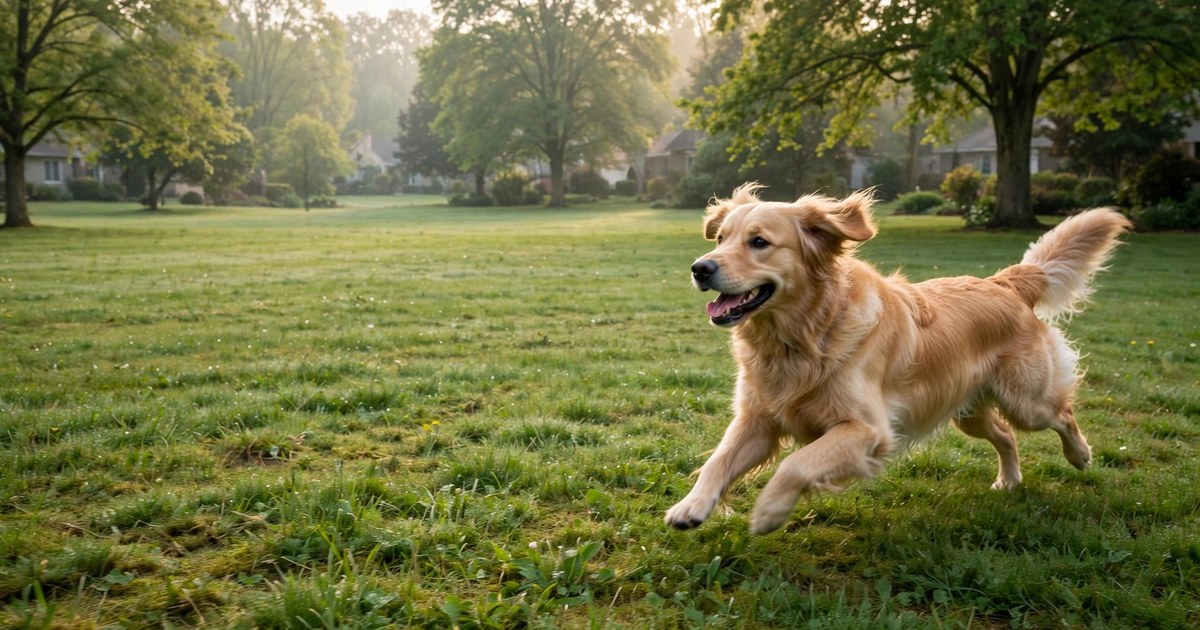
An invisible fence costs $950 to $2,500 professionally installed for most homeowners, according to 2026 cost data from Angi — or $150 to $600 if you buy a DIY kit and bury the wire yourself. GPS collar systems, which need no digging at all, run $450 to $1,300. That is a wide range, and the honest reason for it is simple: "invisible fence" is not one product. It is four different systems, and the price depends almost entirely on which one you choose and how big your yard is.
This guide breaks down the real 2026 cost of every system type, what you will pay by yard size, the ongoing costs most quotes leave out, and the true 3-year cost of owning each option — so you can compare quotes like-for-like instead of guessing.
How Much Does an Invisible Fence Cost in 2026?
Here is the short answer for a single dog on a typical suburban lot:
| System type | Typical all-in cost | Installation |
|---|---|---|
| Professional in-ground (wired) | $950–$2,500 | Crew buries the wire; 1–3 days on site |
| Premium turnkey in-ground | $1,500–$3,400 | Full-service dealer install, larger or complex yards |
| DIY in-ground kit | $150–$600 | Your own 4–8 hours over a weekend |
| Wireless transmitter system | $100–$600 | None — it plugs in |
| GPS collar system | $450–$1,300 | None — set the boundary in an app |
The professional figures come from Angi and HomeGuide's 2026 contractor-pricing data, which converge on roughly $1,300 as the typical installed price. HomeGuide puts the standard professional range at $800–$2,800. The DIY and GPS figures come from manufacturer pricing: a PetSafe in-ground starter kit runs $175–$285, and GPS collars such as SpotOn sit around $999 with no required subscription for containment.
What Each System Type Actually Costs
1. Professional in-ground fence: $950–$2,500
This is the classic invisible fence: a wire buried a few inches underground around your property, plus a receiver collar for your dog. A dealer crew measures your lot, trenches the wire, installs the transmitter, and usually includes the first training session. Most homeowners pay $950–$2,500, with about $1,300 as the typical figure. Larger or trickier properties — steep slopes, rocky soil, long driveways to cross — push toward the $1,500–$3,400 premium band. Installation is usually priced at $2–$7 per linear foot of wire.
The big-name brand in this category, Invisible Fence® Brand, does not publish an installed price at all. Its cost page routes every professional tier to a free quote from a local dealer, so you cannot compare its price to a DIY kit without getting a quote first. Budget for that extra step if you want the brand-name system.
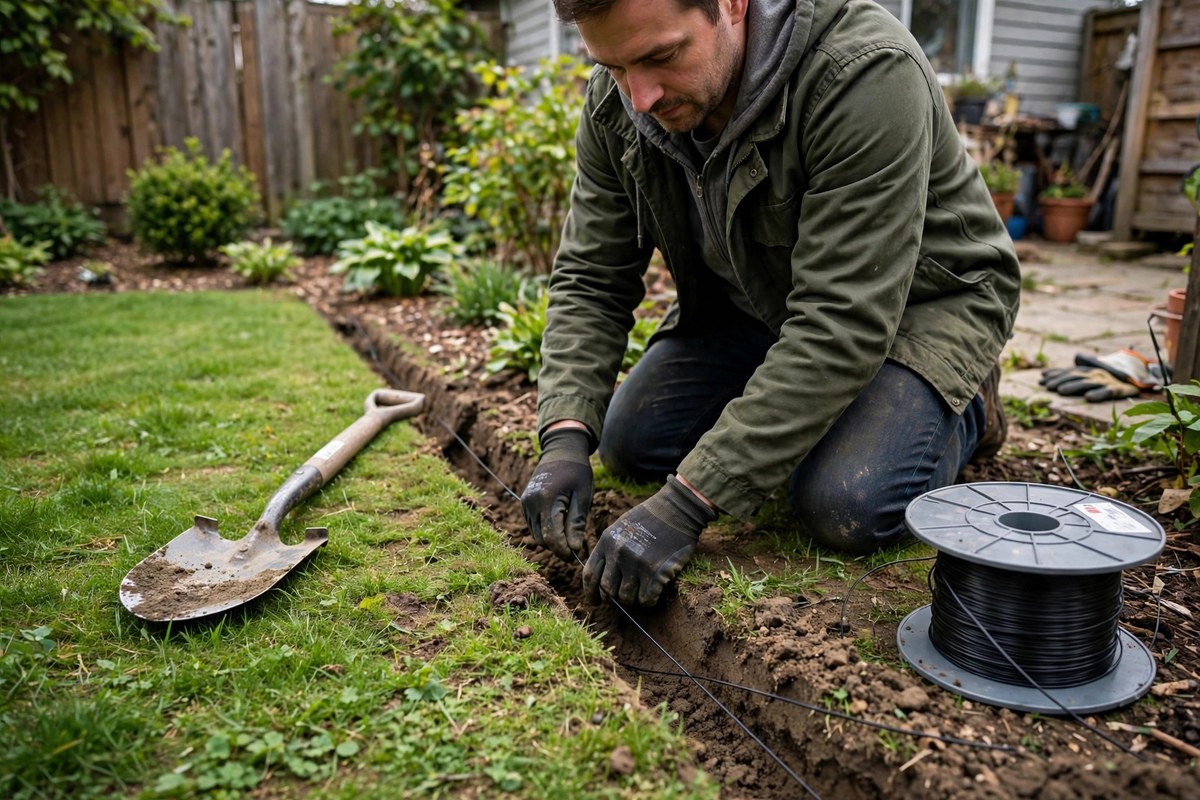
2. DIY in-ground kit: $150–$600
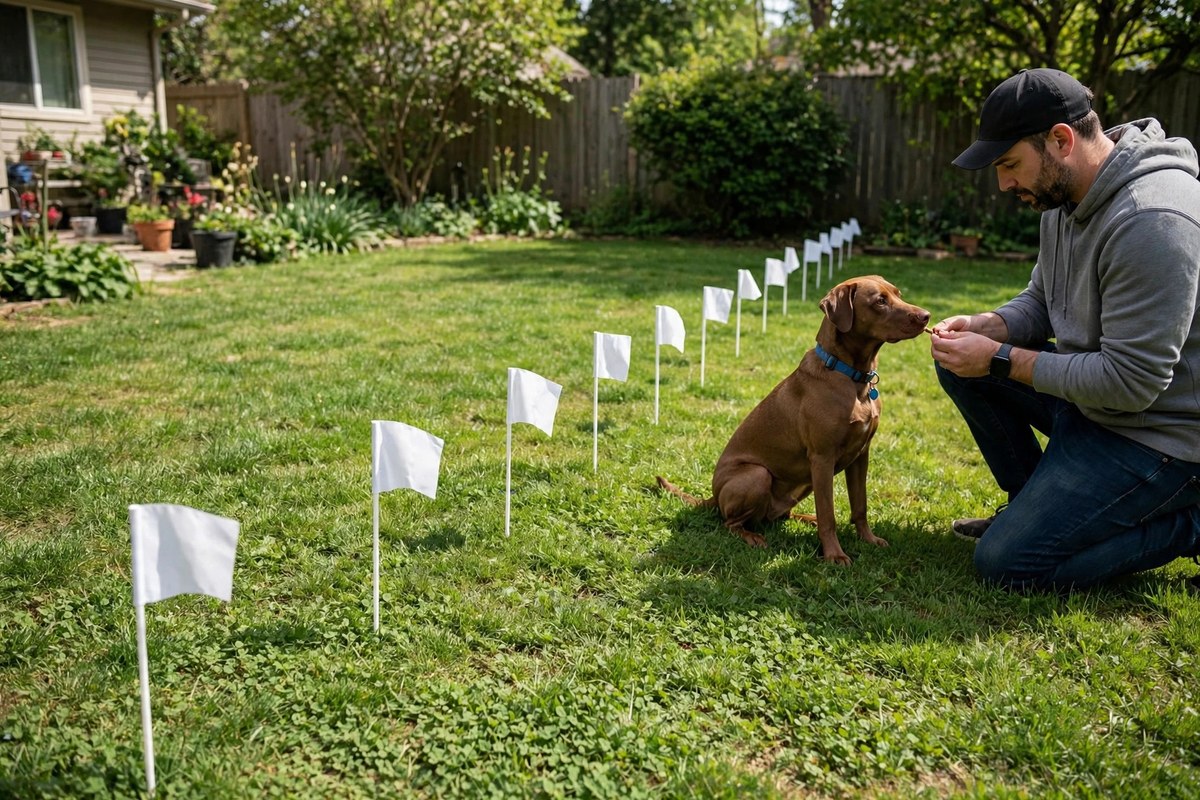
A DIY kit is the same wire, transmitter, and collar as a professional system — minus the labor. A starter kit covering up to about a third of an acre costs $175–$285, and larger kits with extra wire run up to $600. The trade-off is your weekend: plan on 4–8 hours of trenching, plus flag placement and collar training. This is the cheapest way to get a buried-wire fence, and it is the right pick if your yard is flat, your soil is soft, and you are comfortable with a spade.
3. Wireless transmitter system: $100–$600
Wireless systems skip the wire entirely. A transmitter in your home broadcasts a circular boundary, and the collar responds when your dog reaches the edge. There is no digging, no trenching, and nothing to install — you plug it in and set the radius. The catch is the shape: the boundary is always a circle, so it suits square, open yards and struggles with odd-shaped lots or yards with a pool, garden beds, or a driveway you want to exclude.
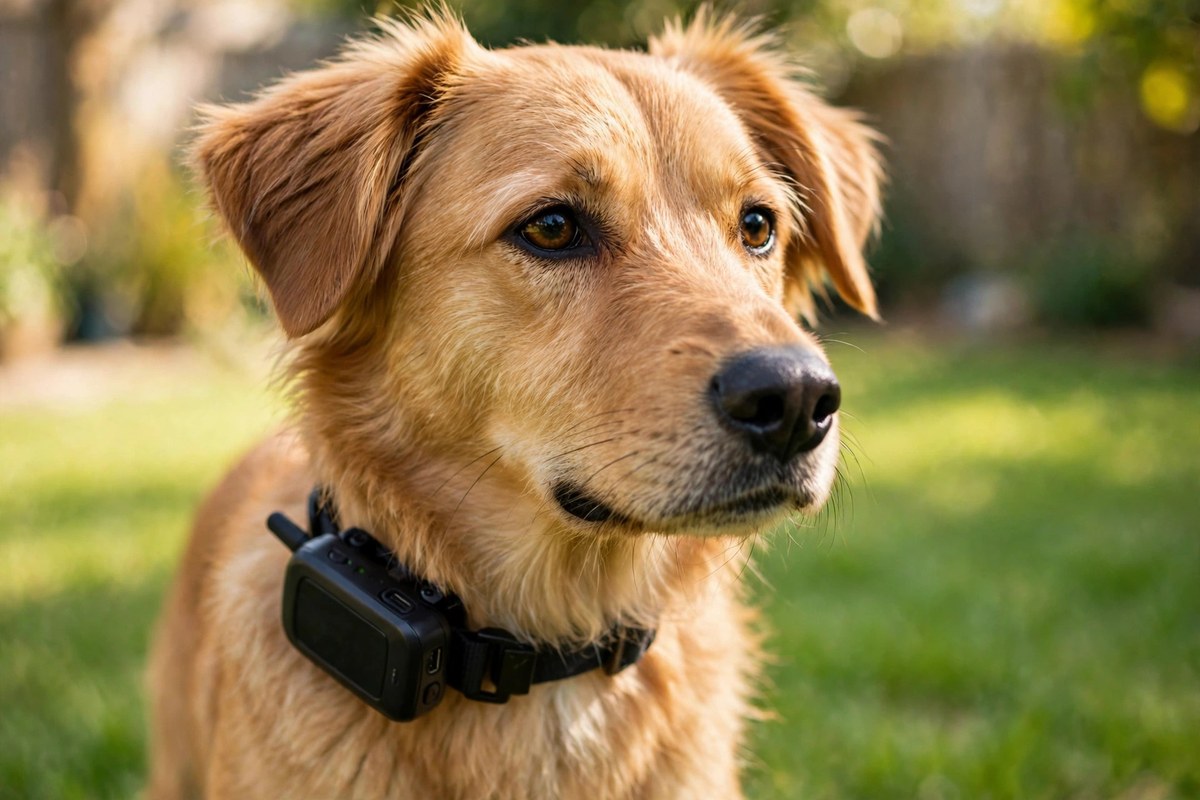
4. GPS collar system: $450–$1,300
GPS collars draw the boundary on a map in an app — any shape you like, no wire, no transmitter. Prices run $450–$1,300, and some models carry a monthly subscription for tracking features, though containment-only models such as the PetSafe Guardian GPS advertise no subscription fee, ever. GPS drift is the real-world limitation: tree cover and tall buildings can shift the boundary by a few feet, so these work best on open properties of half an acre or more. The AKC's guide to evaluating a GPS dog fence is a useful read before you buy one, because it explains what consistency and boundary accuracy actually mean in practice.
Invisible Fence Cost by Yard Size
Wire follows your perimeter, not your acreage — so a two-acre lot needs roughly 1.4 times the wire of a one-acre lot, not double. That is why quotes scale more gently than most people expect:
| Yard size | DIY kit (kit + extra wire) | Professional install |
|---|---|---|
| Up to 1/4 acre | $150–$300 | $700–$1,200 |
| 1/2 acre | $300–$600 | $1,100–$1,800 |
| 1 acre | $600–$1,200 | $1,600–$2,000 |
| 2+ acres | $800–$1,500 | $2,000–$3,400 |
Where you live matters too. Angi's 2026 city pricing shows professional installs averaging around $1,100 in St. Louis and Orlando, versus $1,465–$1,500 in Denver, New York, and Los Angeles — a 35–40% swing from local labor rates alone. Always get at least three local quotes before deciding the professional route is out of reach.
The Ongoing Costs Most Quotes Leave Out
The sticker price is only year one. Over three years, the extras add up — and they are the reason the cheapest system is rarely the cheapest to own:
- Replacement collar batteries: $10–$25 each, every 3–6 months depending on the model. Some brands sell a battery plan — Invisible Fence® Brand's Power Cap plan runs $99 a year.
- Extra collars: $50–$150 per additional dog. A two-dog household should double the collar line of any quote.
- Wire breaks: $100–$300 per repair call if a gardener, edger, or frost heave cuts the buried wire. DIY repair kits cost under $30 if you can find the break yourself.
- Subscriptions: $0–$10 a month for GPS tracking features on some collars. Check whether the subscription is required for containment or only for extras such as activity tracking.
- Service plans: Invisible Fence® Brand publishes its aftercare pricing openly: a Complete Care Plan at $399 a year and an Annual Service Plan at $329 a year. These are optional, but they are the number to compare against pay-per-visit repairs.
- Training time: most systems need 2–4 weeks of short daily boundary sessions. Professional training is sometimes included in a dealer quote and sometimes billed separately — ask before you sign.
These are the same kind of recurring costs that catch new owners off guard in other areas too — which is why it pays to run your numbers through a dog cost calculator when you are budgeting a dog's first year, and to remember one-off costs such as microchipping your dog in the same budget.
3-Year Total Cost: DIY vs Professional vs GPS
Putting the upfront price together with three years of batteries, one extra collar, and one wire repair shows how the ranking changes:
| Option | Year 1 (all-in) | Years 2–3 (batteries + 1 repair) | 3-year total |
|---|---|---|---|
| DIY in-ground kit | $150–$600 | $100–$250 | $250–$850 |
| Professional in-ground | $950–$2,500 | $150–$400 | $1,100–$2,900 |
| Wireless system | $100–$600 | $80–$200 | $180–$800 |
| GPS collar (no subscription) | $450–$1,300 | $60–$150 | $510–$1,450 |
| GPS collar (with $10/mo tracking) | $450–$1,300 | $300–$390 | $750–$1,690 |
DIY remains the cheapest by a wide margin, and a no-subscription GPS collar is the best value if you want zero digging. A professional install only wins on convenience — you pay for the crew, the warranty, and the included training, not for better containment.
Invisible Fence vs a Physical Fence
A traditional fence costs $1,500–$8,000 installed, per Angi — roughly 2–4 times the price of a professional invisible fence on a small lot, and the gap widens with property size because physical fencing is priced per linear foot ($8–$50) while containment is priced per system. On an acre, a physical fence can exceed $10,000 while a containment system for the same acre is around $1,600–$2,000.
But the cheaper option has real limits an invisible fence cannot fix:
- It keeps your dog in, but it keeps nothing out — other dogs, wildlife, and people can still walk in.
- It only works if your dog is trained to respect it and motivated to stay. A highly motivated dog chasing a squirrel can run straight through the correction zone.
- It offers no privacy and no visual boundary for visitors or delivery drivers.
- Some dogs become fearful of the yard itself after a bad experience with the correction, which is why the AKC's overview of dog fence types is worth reading before you commit to any single option.
VCA Animal Hospitals makes the same point from the behavior side: outdoor electronic containment fencing, with proper installation and training, may be an alternative for dogs that roam — but it is best used when installed by professionals who also supervise the training, and it does not prevent other animals or people from entering the property. Read their full guidance on behavior management products for dogs before deciding.
How to Compare Quotes in 6 Steps
Because the biggest brand publishes no installed price, quotes are the only way to price a professional system. Use this walkthrough so every quote is comparable:
- Measure your boundary first. Walk your lot with a measuring wheel or a phone GPS app and note the linear feet. This is the number every installer prices from.
- Get three written quotes. One from Invisible Fence® Brand (or your local dealer), one from an independent installer, and one DIY kit price for the same yard size. Written quotes only — verbal estimates drift.
- Check what is included. Does the quote include the transmitter, collar(s), flags, the first training session, and a warranty? A $1,200 quote that includes training beats a $950 quote that bills training separately.
- Ask about the collar count. Confirm the price covers every dog in the household. Extra collars at $50–$150 each change the math fast.
- Ask about aftercare. Who repairs a wire break, how fast, and at what cost? Compare the dealer's answer against the published service-plan prices ($329–$399 a year).
- Read the warranty in full. Look for wire-break coverage, collar replacement terms, and whether the warranty transfers if you move. A lifetime wire warranty is worth real money on a system you expect to own for a decade.
Quote-comparison checklist
- Linear feet of boundary measured and written on the quote
- Transmitter, collar(s), flags, and surge protector included
- Training sessions included (how many, and for how long)
- Extra-collar price per additional dog
- Wire-break repair cost and response time
- Subscription required? If so, monthly cost and what it covers
- Warranty length and what it excludes
Is an Invisible Fence Worth It?
An invisible fence is worth it if you have a medium-to-large yard, a dog that is trainable and not highly reactive to passing animals, and a budget that cannot stretch to a physical fence. It is the right call when the goal is keeping your own dog on your property while preserving the open look of the yard.
Skip it — or choose a physical fence instead — if your dog is a determined escape artist, highly prey-driven, or fearful; if stray dogs or wildlife regularly enter your yard; if you need privacy or a barrier that keeps others out; or if your lot is small and oddly shaped, where a wireless circle will not fit and trenching costs more than the yard is worth. And if you travel often, remember that containment is only one line in the pet budget — dog boarding costs per week can quickly exceed the price of the fence itself.
Frequently Asked Questions
How much does an invisible fence cost for 1 acre?
For one acre, expect $600–$1,200 for a DIY kit with extra wire, or $1,600–$2,000 for a professional install, per HomeGuide's size-based pricing. GPS collars cost the same regardless of acreage ($450–$1,300) because there is no wire to bury.
How much does Invisible Fence® Brand cost?
The company does not publish an installed price. Its cost page lists only a DIY GPS collar from $300 and routes all professional systems to a free quote from a local dealer. Cost publishers report the wider professionally installed market at $950–$2,500 (Angi) and $800–$2,800 (HomeGuide).
Is a DIY invisible fence hard to install?
For a flat yard with soft soil, no — plan on 4–8 hours over a weekend to trench the wire, place the flags, and set up the transmitter. Rocky soil, steep slopes, driveways, and sidewalks to cross are the jobs that turn a DIY project into a professional one.
Do invisible fences work for all dogs?
No. They work best for dogs that respond to training and are not highly motivated to chase. A dog that is prey-driven, fearful, or a determined runner may push through the correction zone, and the system does nothing to keep other animals out of your yard.
How long does an invisible fence last?
The buried wire itself can last 10–20 years if it is not cut by digging or edging. Collars typically last 3–5 years before needing replacement, and transmitter units last around 5–10 years. Budget for batteries every 3–6 months and at least one wire repair over the system's life.
Does an invisible fence need a subscription?
It depends on the system. Traditional wired and wireless systems have no subscription. Some GPS collars charge $5–$10 a month for tracking features — check whether the subscription is required for containment or only for extras, and prefer a no-subscription model if you only need the boundary.
The Bottom Line
An invisible fence costs $950–$2,500 professionally installed, $150–$600 as a DIY kit, $100–$600 wireless, or $450–$1,300 for GPS — and the right choice depends on your yard, your dog, and how much of the work you want to do yourself. Get three written quotes, compare them with the checklist above, and budget for batteries, extra collars, and the occasional wire repair before you decide.
Want a number tailored to your own yard? Try CalcPet's free fence cost estimator — enter your yard size and system type and get an instant estimate for your property.