Choosing a dog later in life is one of the best decisions you can make — but the right breed matters more now than it did at 30. The best dog breeds for seniors are calm, low-energy companions that are easy to lift, easy to groom, and happy with short walks and long naps. Here are 10 breeds that fit a quieter lifestyle, plus a simple way to choose, honest cost ranges, and the breeds to avoid.
How to Choose a Dog Breed as a Senior
1. Can you comfortably lift the dog?
You will lift your dog more often than you think — into the car, onto the vet's table, or into the bath. Most seniors are comfortable handling a dog under 20 pounds (about 9 kg). Weight is the most practical filter on this list, and it is why most of the breeds below are small.
2. Match the energy to your daily routine
Be honest about your real routine, not your ideal one. The breeds below are content with 20 to 30 minutes of gentle exercise a day. If you walk daily, a moderate-energy breed like a Bichon Frise works. If you prefer a mostly indoor life, pick a true low-energy breed like a Pug or a Shih Tzu.
3. Be realistic about grooming
Some small dogs need daily brushing and a professional groom every 6 to 8 weeks. Short-coated breeds like French Bulldogs and Pugs need almost no grooming, while long-coated breeds like the Maltese and Shih Tzu need regular brushing — or a short "puppy cut" that keeps the coat easy.
4. Check noise and housing rules
If you live in an apartment or retirement community, a quiet breed matters. Most of the dogs below bark little. Still, check your building's pet policy first: some places set weight limits (often 25 pounds) or restrict certain breeds.
5. Budget for the whole year, not just adoption day
Adoption is the cheapest part of dog ownership. Food, grooming, routine vet visits, and the occasional surprise add up. Small dogs usually cost less to feed and groom, which is another reason they dominate this list.
The 10 Best Dog Breeds for Seniors at a Glance
| Breed | Weight | Energy | Exercise / day | Grooming |
|---|---|---|---|---|
| Cavalier King Charles Spaniel | 13–18 lbs | Low–moderate | 20–30 min | Moderate |
| Shih Tzu | 9–16 lbs | Low | 20 min | Regular brushing |
| Maltese | Under 7 lbs | Low–moderate | 20 min | Daily brushing (long coat) |
| Bichon Frise | 12–18 lbs | Moderate | 30 min | Regular grooming |
| French Bulldog | 16–28 lbs | Low–moderate | 15–20 min | Minimal |
| Toy Poodle | 4–6 lbs | Moderate | 20–30 min | Regular clipping |
| Pug | 14–18 lbs | Low | 15–20 min | Minimal |
| Greyhound | 60–70 lbs | Low indoors | 30 min | Minimal |
| Havanese | 7–13 lbs | Moderate | 30 min | Regular brushing |
| Basset Hound | 40–65 lbs | Low | 20–30 min | Minimal |
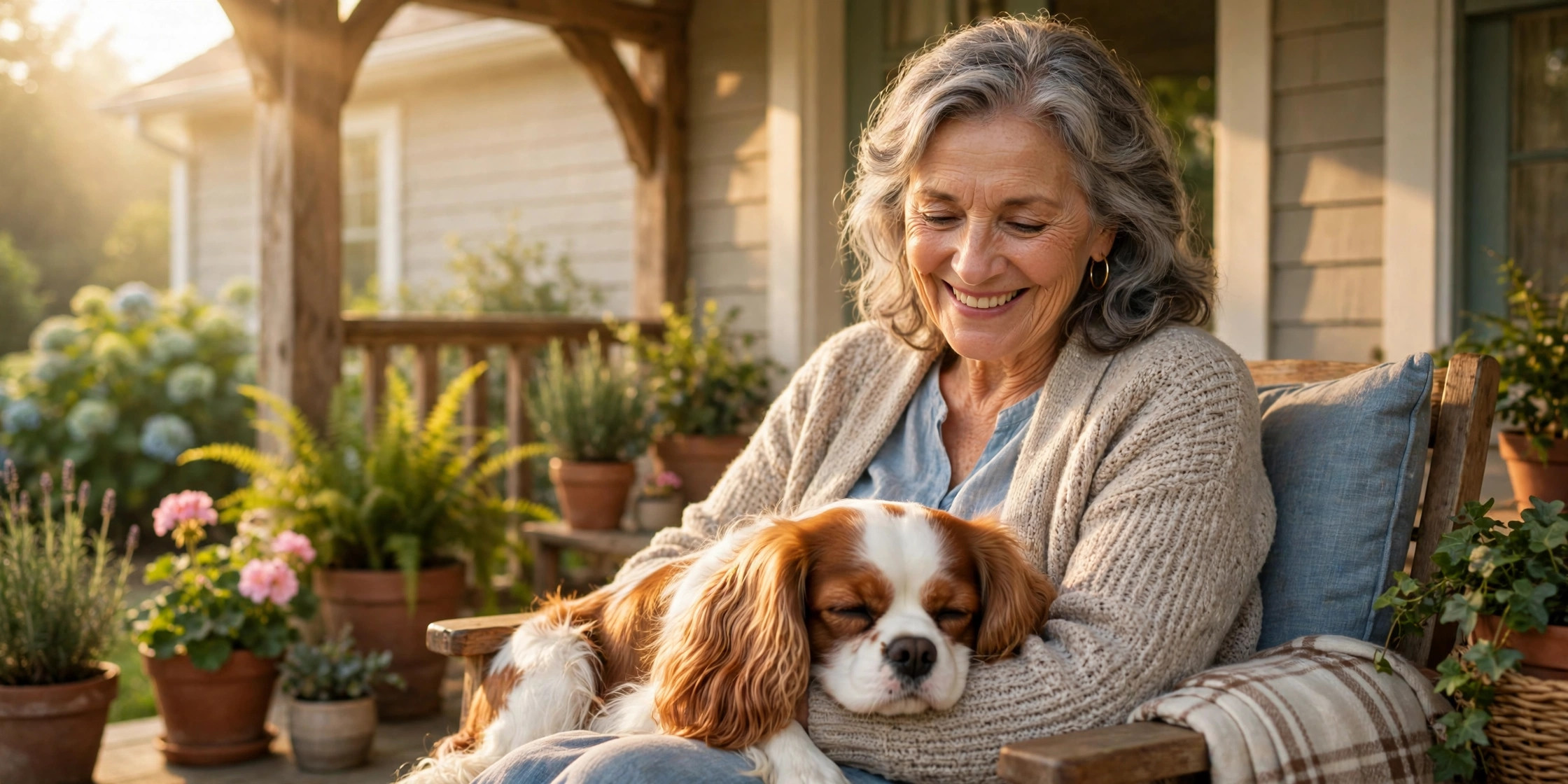
1. Cavalier King Charles Spaniel
The classic senior companion. At 13 to 18 pounds it is easy to lift, gentle with everyone it meets, and happiest curled up beside its person. Cavaliers suit apartments and retirement communities, and need about 20 to 30 minutes of walking a day plus regular brushing. The AKC's Cavalier breed page lists the breed standard in full.
2. Shih Tzu
Bred for centuries as a palace companion dog, the Shih Tzu was made for this job: sitting close, staying calm, and asking for very little. At 9 to 16 pounds it is light enough to lift easily, and it is content with a short daily walk and plenty of lap time. The one commitment is the coat: a long coat needs daily brushing, but a short puppy cut makes the Shih Tzu genuinely low-maintenance. The AKC's Shih Tzu breed page covers the breed's history and care needs.
3. Maltese
The lightest dog on this list at under 7 pounds — the easiest to lift, carry, and handle, a real advantage if arthritis or limited strength is a factor. Maltese dogs are sweet, gentle, and deeply bonded to one person, and they shed very little, which helps in homes where allergies matter. The trade-off is the long white coat, which needs daily brushing unless you keep it clipped short.
4. Bichon Frise
If you want a cheerful dog rather than a sleepy one, the Bichon Frise is the pick. At 12 to 18 pounds, Bichons are sturdy enough for daily walks, friendly with strangers and other dogs, and low-shedding, which suits allergy-prone homes. They are the most playful breed on this list, so they suit active seniors who enjoy a morning walk — but they are equally happy to settle down for an afternoon nap. Bichons need professional grooming every 6 to 8 weeks.
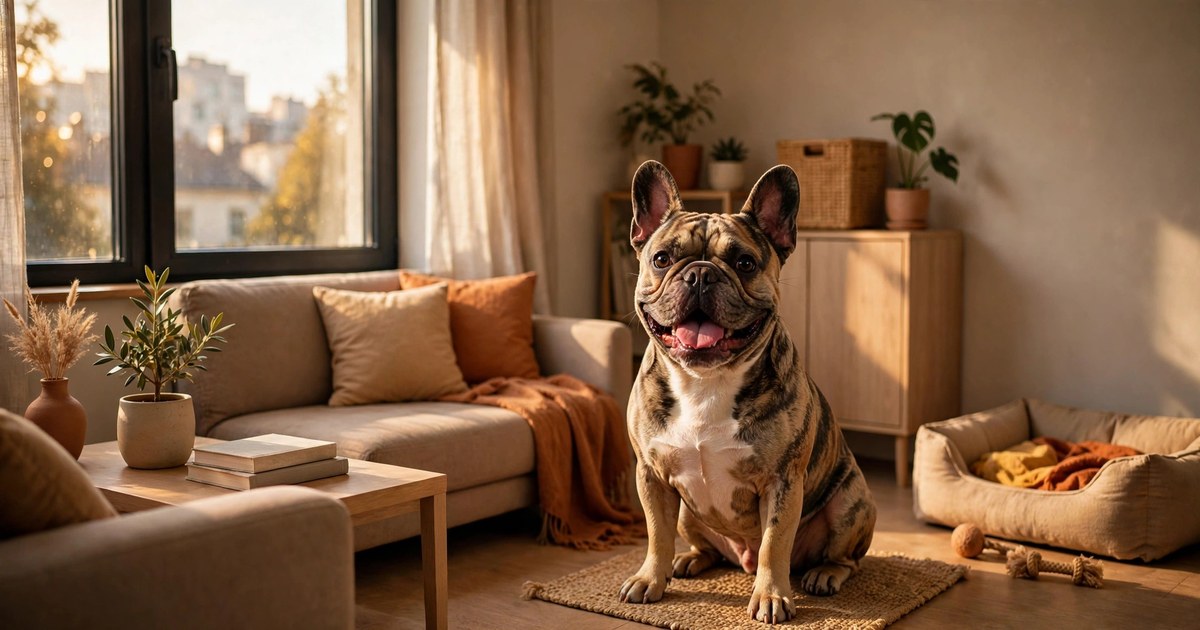
5. French Bulldog
French Bulldogs are laid-back, quiet, and famously low-maintenance on exercise — 15 to 20 minutes a day is usually plenty. At 16 to 28 pounds they are heavier than the toy breeds, so lifting one into a car takes some effort, but their short coat needs almost no grooming and they adapt to apartments brilliantly. One caution: Frenchies overheat easily, so keep walks short and shaded in hot weather. The AKC's French Bulldog breed page has the full breed details.
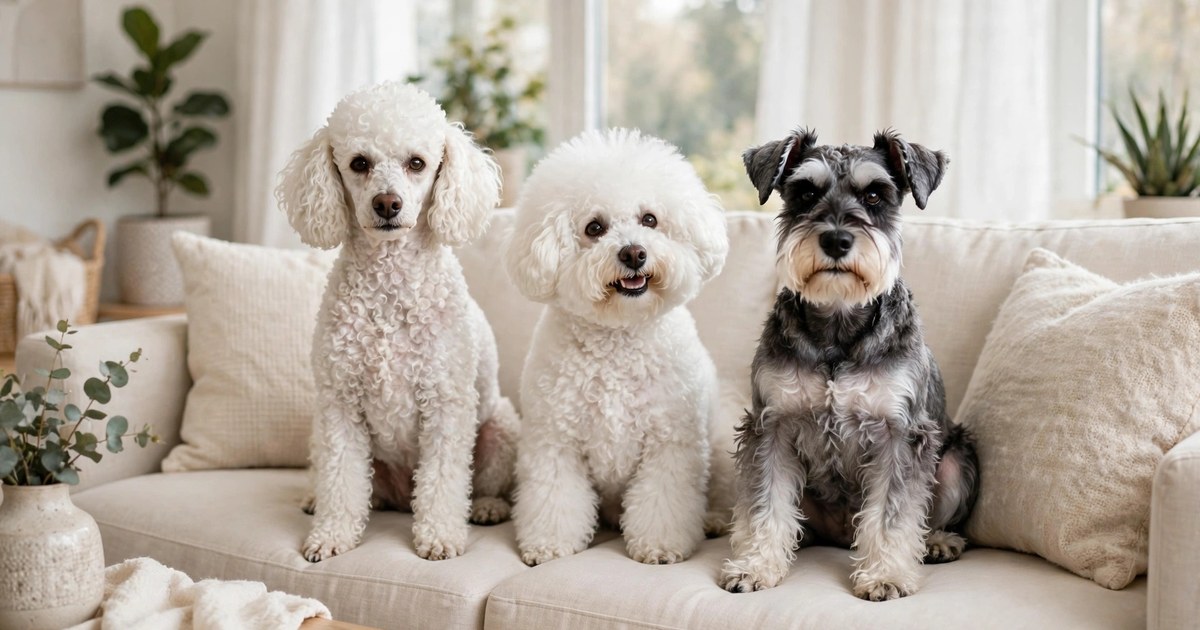
6. Toy Poodle
Toy Poodles are the smartest dogs on this list, and that intelligence is practical: they learn house rules fast, walk neatly on a leash, and respond well to gentle training. At just 4 to 6 pounds, a Toy Poodle is effortless to lift and carry. They shed very little and are often recommended for people with allergies. The commitment is grooming — Poodles need clipping every 6 to 8 weeks — and a little mental stimulation, such as a short training game, to stay happy.
7. Pug
Pugs are small, sturdy, and endlessly good-natured. At 14 to 18 pounds they are easy to handle, need only 15 to 20 minutes of exercise a day, and their short coat needs almost no grooming — a weekly brush is plenty. Pugs are natural comedians and devoted lap dogs, and they get along with visitors, grandchildren, and other pets. Like French Bulldogs, Pugs are sensitive to heat, so short walks and shade matter in summer.
8. Greyhound
The surprise entry, and the one most people get wrong. Greyhounds are famous for racing, but retired racing Greyhounds are among the calmest dogs you can own — often described as "45-mph couch potatoes." They sprint in short bursts, then sleep for hours. They need about 30 minutes of walking a day, shed very little, and need almost no grooming. The honest catch is size: at 60 to 70 pounds, a Greyhound is not a dog you lift into a car, so this breed suits seniors who are steady on their feet and have help for lifting, or who use a ramp.
9. Havanese
The Havanese is Cuba's national dog and a natural companion breed: cheerful, sociable, and happiest wherever its owner is. At 7 to 13 pounds it is light and easy to handle, and it does well in apartments, small homes, and with visitors of all ages. Havanese dogs are a little more active than the Shih Tzu or Pug, so they suit seniors who enjoy a daily walk and some playtime. Their silky coat needs regular brushing, or a short clip to keep it simple.
10. Basset Hound
Basset Hounds are slow, calm, and famously patient — a dog that matches a relaxed pace of life perfectly. They need only 20 to 30 minutes of gentle exercise a day and are content to nap for long stretches between walks. Their short coat is easy to care for, and their gentle, goofy nature makes them wonderful with grandchildren. The honest catch, like the Greyhound, is weight: at 40 to 65 pounds, a Basset is a heavy dog to lift, so this breed suits seniors who are comfortable handling a larger dog on the ground and have help when lifting is needed.
What Do Senior-Friendly Dogs Cost?
Prices vary widely by area and by breed, so treat these as typical ranges, not quotes. Small, common breeds cost less to buy and to keep.
| Cost | Typical range |
|---|---|
| Adoption (shelter or rescue) | $50–$500 — often includes spay/neuter and first vaccinations; senior dogs are frequently discounted |
| Breeder puppy (small companion breeds) | $800–$3,000+ — varies hugely by breed and breeder |
| Food (small dog) | $20–$50 / month |
| Professional grooming | $40–$90 / session, every 6–8 weeks for coated breeds |
| Routine vet care | $200–$400 / year |
Two money-saving tips: ask shelters about senior-for-senior adoption programs — many waive or reduce fees when an older person adopts an older dog. And adopting an adult or senior dog skips the expensive, exhausting puppy year entirely. Our senior dog care costs guide breaks the yearly budget down line by line.
Dog Breeds Seniors Should Avoid
- High-energy working breeds (Border Collie, Australian Shepherd, Belgian Malinois): bred to work all day, they need hours of exercise and training, and become frustrated and destructive without it.
- Strong, heavy pullers (Huskies, large Mastiffs, Rottweilers): a strong dog that pulls on the leash is a fall risk, and a 100-pound dog is not one you can lift or restrain easily.
- Very vocal or high-maintenance breeds: breeds that bark a lot or need hours of daily grooming clash with apartment living and limited mobility.
- Large, bouncy puppies of any breed: the issue is not the breed but the age — a large puppy is strong, clumsy, and needs constant supervision.
Senior Dog Owner Checklist
- Confirm your building's pet policy — weight limits, breed rules, and any pet deposit
- Choose a vet nearby and save the number in your phone
- Set up a comfortable bed at floor level
- Buy a lightweight harness and leash that is easy on your hands and wrists
- Place food and water bowls where you can reach them without bending far
- Put non-slip mats on smooth floors
- Arrange a backup carer for days you are unwell
- Stock a week's worth of food, treats, waste bags, and supplies
- Plan two short walks a day rather than one long one
- Keep the dog's ID tag and your vet's number on the collar from day one
Frequently Asked Questions
What is the calmest dog breed for a senior?
The Cavalier King Charles Spaniel is widely regarded as the calmest all-round choice: gentle, affectionate, light enough to lift, and happy with short walks. The Shih Tzu and Pug are close behind.
What is the best small dog for a senior living alone?
The Maltese or Toy Poodle suits solo living best — both are tiny, low-shedding, and bond closely to one person. The Maltese is lighter and calmer; the Toy Poodle is smarter and easier to train.
How much exercise do senior-friendly dog breeds need?
Most breeds on this list need 20 to 30 minutes of gentle exercise a day, usually split into two short walks. French Bulldogs and Pugs need the least — 15 to 20 minutes.
Should a senior adopt a puppy or an older dog?
For most seniors, an adult or senior dog is the better choice. Puppies need constant supervision, frequent toilet breaks, and months of training, while an adult dog's size, energy, and temperament are already known. Many shelters also reduce adoption fees for senior dogs adopted by senior people.
Are small dogs better for seniors than large dogs?
Usually, yes — mainly because of weight. A dog under 20 pounds is easy to lift into a car or onto a vet's table, cheaper to feed and groom, and easier to control on a leash. The Greyhound and Basset Hound are the exceptions here: calm enough to work for seniors who are steady on their feet and have help with lifting.
What dog breed is best for a senior in an apartment?
Quiet, low-energy breeds that adapt to small spaces: the Cavalier, Shih Tzu, Maltese, French Bulldog, and Pug. Check your building's weight limit first — many apartments cap dogs at 25 pounds. Our apartment dog breeds guide covers small-space living in more detail.
Conclusion
The best dog for a senior is not the most popular breed or the cutest puppy in the window — it is the dog whose size, energy, and grooming needs fit your real life. Start with the five checks above, shortlist two or three breeds from this list, and meet adult dogs of those breeds at a local shelter before deciding.
Want a quick way to think about your future companion's age? Try our dog age calculator to see how old a dog is in human years. For more low-effort options, our low-maintenance dog breeds guide covers breeds that ask the least of their owners. For general dog-care guidance, the ASPCA's general dog care guide is a solid starting point.