Size is not the real problem with apartment dogs. Noise is. A 70-pound Greyhound that sleeps all afternoon is a better neighbour than an 8-pound terrier that barks at every footstep in the hallway — and landlords know it. Most noise complaints about apartment dogs are not about size or mess. They are about barking.
That is why this list is ranked by noise first. Every breed below is known for barking little, with its real size, energy needs and the catch you should know before you adopt. No dog is completely silent, and any dog can learn to bark too much if it is bored or anxious — but starting with a naturally quiet breed makes apartment life far easier for everyone behind your shared walls.
What "Quiet" Actually Means
The American Kennel Club rates every breed from 1 to 5 on barking. A score of 1 means the dog barks mostly to alert you — a bark or two when someone knocks, then it stops. A score of 5 means very vocal. The quietest apartment breeds mostly score 1 or 2, and that single number matters more than weight when you share walls with neighbours. Remember that "quiet" does not mean "silent" — a Basenji famously cannot bark at all, but it still makes yodel-like sounds — and individual dogs vary, so always meet the actual dog before deciding.
The 12 Quietest Dog Breeds for Apartments at a Glance
| Breed | Size | Noise level | Energy | Best for |
|---|---|---|---|---|
| French Bulldog | Under 28 lb | Very low (AKC barking 1/5) | Moderate | First-time apartment owners |
| Basenji | 22–24 lb | Very low (AKC barking 1/5) | High | Experienced owners, calm routines |
| Cavalier King Charles Spaniel | 13–18 lb | Low (AKC barking 3/5) | Moderate | Families, companionship lovers |
| Greyhound | 60–70 lb | Very low | Low | Quiet homes, retirees |
| Whippet | 25–40 lb | Very low | Moderate | Active owners who want calm indoors |
| Pug | 14–18 lb | Very low (AKC barking 1/5) | Moderate | Playful households, seniors |
| Pekingese | Up to 14 lb | Very low (AKC barking 1/5) | Moderate | Quiet companions, small flats |
| Shih Tzu | 9–16 lb | Low to moderate | Low | Families, first-time owners |
| Bolognese | 6–10 lb | Very low (AKC barking 1/5) | Very low | Relaxed homes, small spaces |
| Japanese Chin | 7–11 lb | Very low | Low | Calm homes, older adults |
| Boston Terrier | 12–25 lb | Low (AKC barking 2/5) | Moderate to high | Fun-loving city dwellers |
| Italian Greyhound | 8–14 lb | Very low | Low to moderate | Small flats, gentle owners |
1. French Bulldog
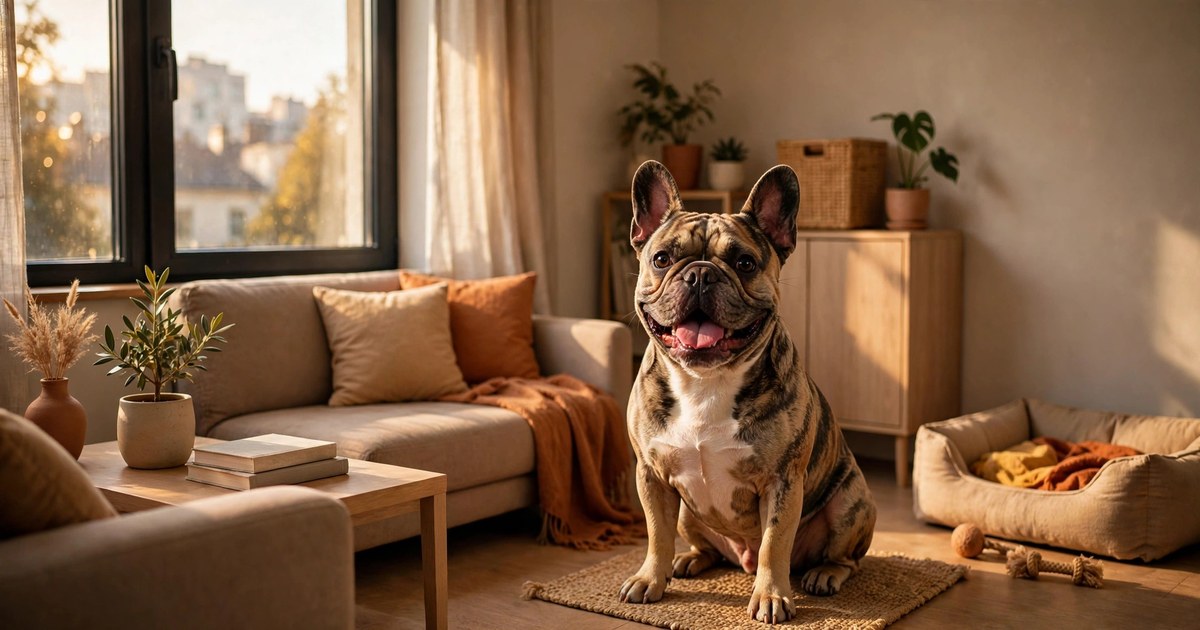
The French Bulldog is the default city dog for a reason. It scores 1 out of 5 for barking in its AKC profile, weighs under 28 pounds, and communicates mostly through snorts, grunts and snores rather than barking — usually one alert bark when someone knocks, then it settles back down. Frenchies are compact, low-stamina and happy with two short walks a day. The catch: snoring is part of the package, and flat-faced breeds overheat easily, so keep walks short on hot days.
2. Basenji
The Basenji is often called the "barkless dog" — and it earns the name. It does not bark in the traditional sense at all; instead, the AKC notes it makes an odd sound somewhere between a chortle and a yodel. It scores 1 out of 5 for barking, weighs 22–24 pounds and typically lives 13–14 years. Clean, cat-like and independent, it suits a calm home with a steady routine. The catch: this is not a beginner's dog. Basenjis are strong-willed and energetic, so they need real exercise and early training — a bored Basenji will find its own entertainment, usually at your furniture's expense.
3. Cavalier King Charles Spaniel
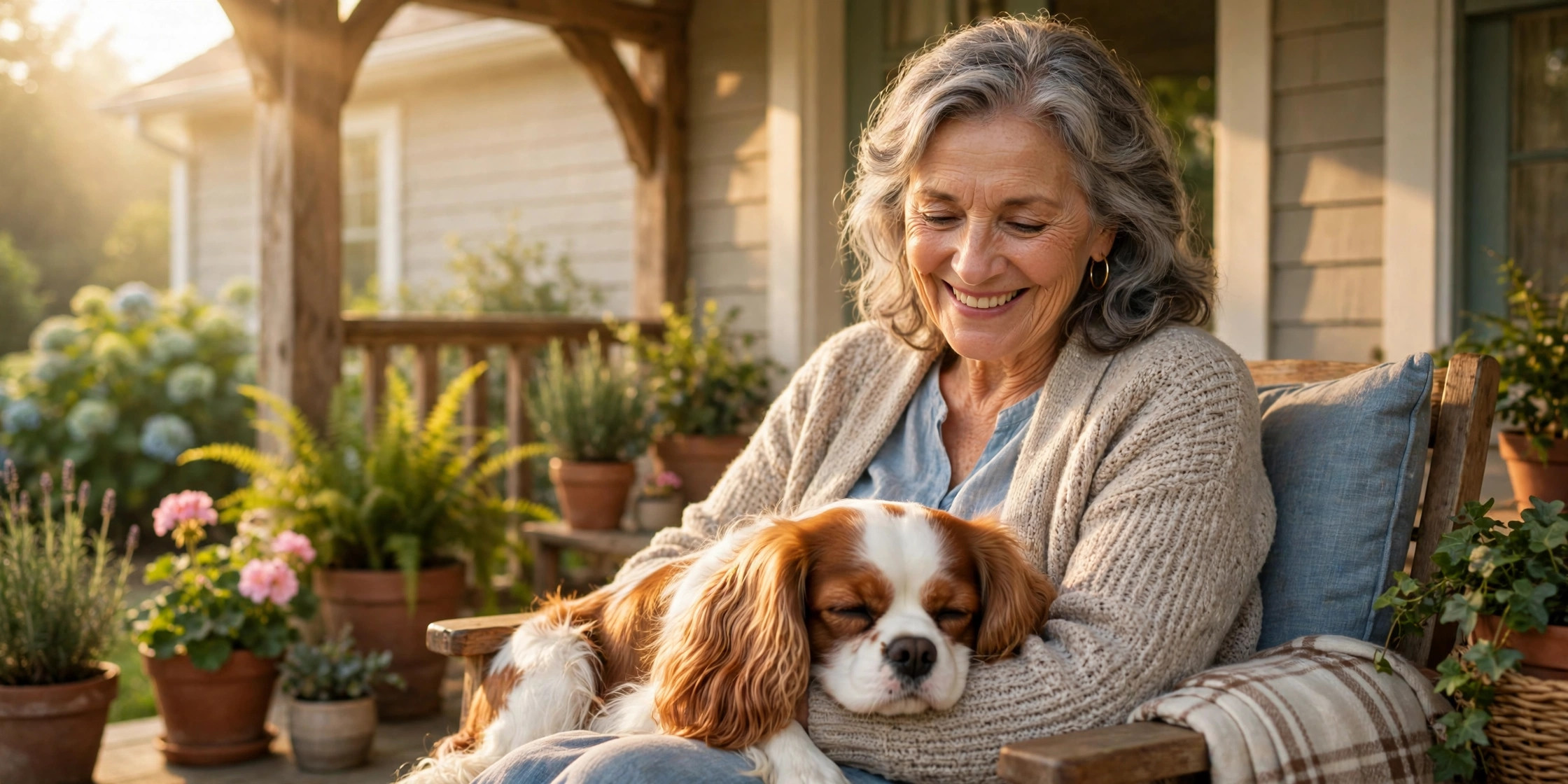
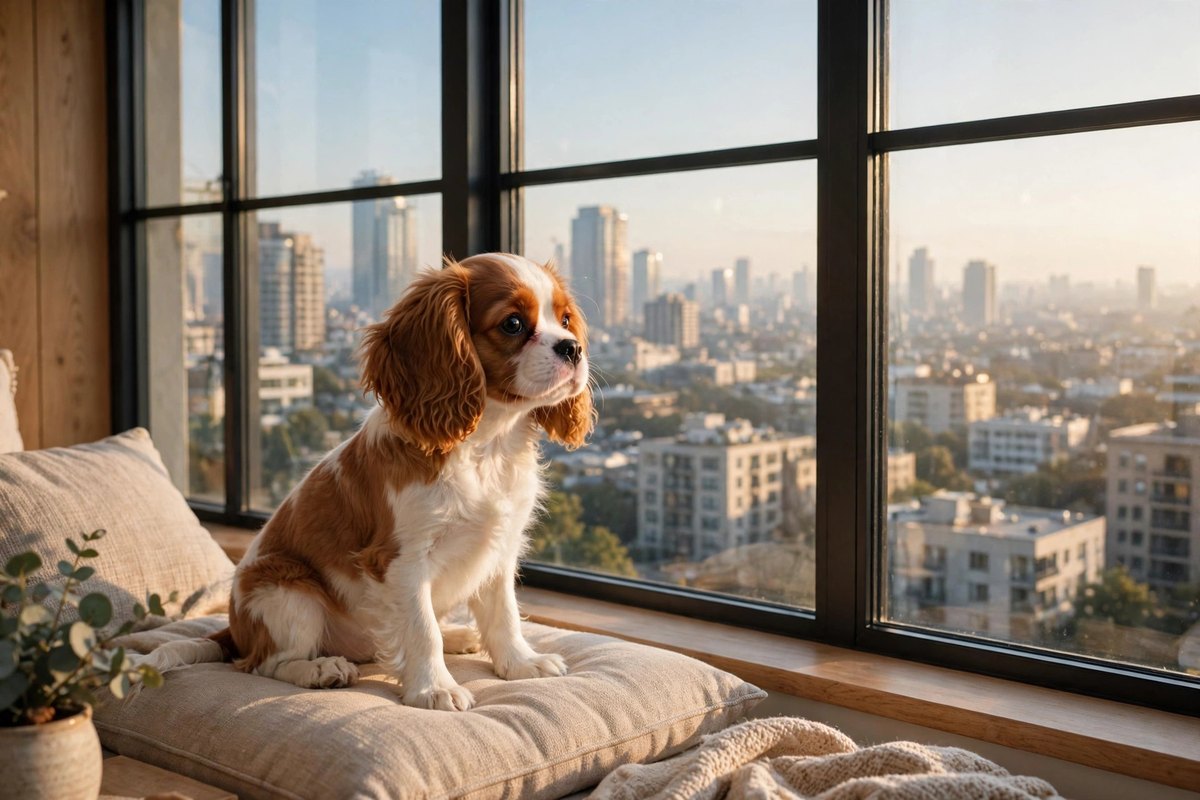
Cavaliers were bred purely for companionship, and it shows. Gentle, patient and deeply bonded to their people, they adapt to almost any indoor space. Their AKC barking score is 3 out of 5 — middle of the scale — but in practice they bark far less than most small breeds because they are rarely reactive to everyday sounds. At 13–18 pounds, a Cavalier is happy with two 20-minute walks and a lap for the rest of the day. The catch: they hate being left alone for long stretches, and separation anxiety is the one thing that will make a Cavalier noisy.
4. Greyhound
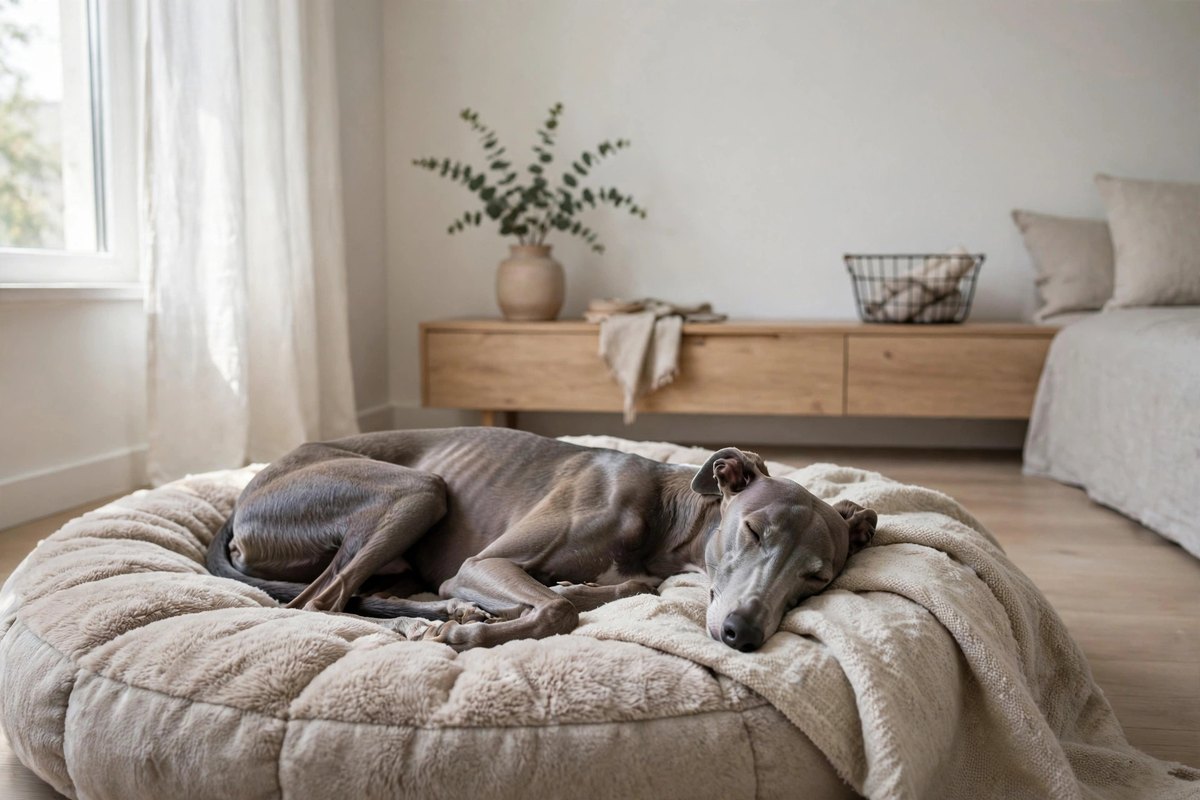
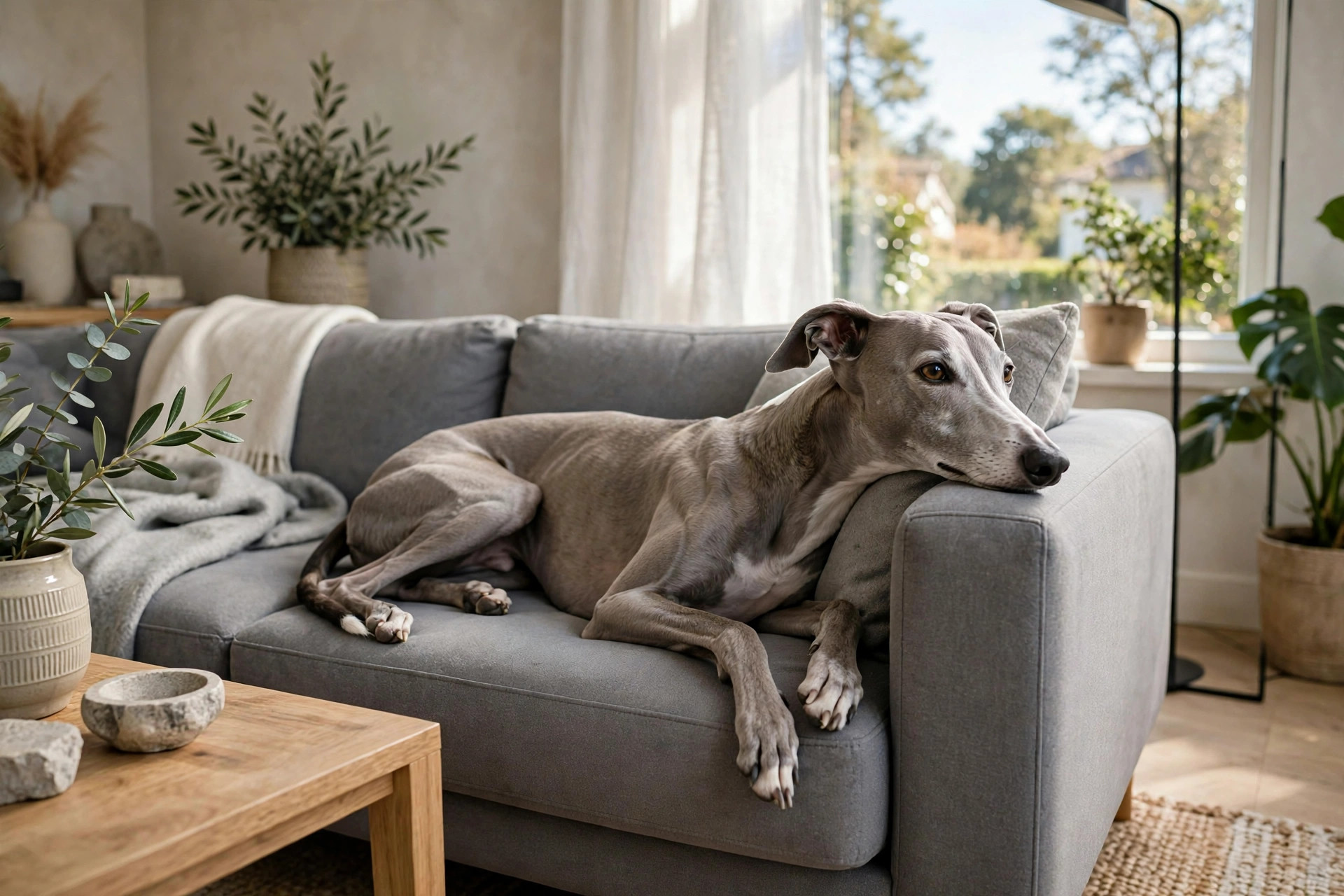
Here is the apartment paradox: a racing dog that sleeps most of the day. Greyhounds are sprinters, not endurance athletes, and they settle deeply indoors after a short walk. At 60–70 pounds they are the biggest dog on this list, yet also one of the quietest — a calm Greyhound is a far better neighbour than a reactive small terrier. The catch: they need a secure place to run off-leash sometimes, and their thin skin and low body fat mean they feel the cold, so a coat in winter is not optional.
5. Whippet
The Whippet is a Greyhound's temperament in a 25–40 pound package: athletic outdoors and completely still indoors. Whippets are very quiet dogs that save their energy for a sprint and then switch off, making them one of the most space-efficient breeds you can own. One sprint plus two walks a day keeps a Whippet content. The catch: like Greyhounds, they feel the cold and need a coat in winter, and they should only run off-leash in fenced areas because their chase instinct is strong.
6. Pug
Pugs score 1 out of 5 for barking in their AKC profile, weigh 14–18 pounds and are famously laid-back indoors. Barking is usually limited to a single greeting bark when visitors arrive, before the Pug settles back into its familiar snorts and grunts. They are playful without being loud — a rare combination in a small breed — and one of the best breeds for homes with children. The catch: Pugs are another flat-faced breed, so they snore, snort and overheat in warm weather, and they will happily eat far more than they need.
7. Pekingese
The Pekingese was kept as a treasured companion by Buddhist monks in China more than 2,000 years ago, and the breed has never lost its calm, regal temperament. It scores 1 out of 5 for barking, weighs up to 14 pounds and typically lives 12–14 years. Pekingese prefer a quiet sofa to a busy play session and are naturally calm indoors. The catch: that alert nature can still produce a warning bark when someone approaches the door, and the long coat needs a five-minute daily brush.
8. Shih Tzu
Bred as a palace companion, the Shih Tzu was genuinely designed for indoor life with people. At 9–16 pounds it is small, sweet-natured and adaptable, and while some Shih Tzus bark when excited, early socialisation keeps this well under control. They are far more likely to greet a visitor with a wag than a warning. The catch: the coat needs regular grooming, and like other small companion breeds, Shih Tzus do best with company — long hours alone can lead to barking out of boredom.
9. Bolognese
The Bolognese is the quietest small dog many people have never heard of. It scores 1 out of 5 for both barking and energy in its AKC profile, weighs just 6–10 pounds and typically lives 12–14 years. This is a calm, gentle lapdog that suits quiet spaces and limited indoor room better than almost any other breed. The catch: Bolognese dogs bond hard and can struggle with long separations, and their white coat needs regular brushing to stay mat-free.
10. Japanese Chin
The Japanese Chin is an old toy breed that the AKC describes as a distinctly "feline" breed — fastidious, graceful and generally quiet. At 7–11 pounds it is one of the smallest dogs on this list, and it is known for choosing a window perch and watching the world go by rather than reacting to street noise. The catch: the breed can be sensitive to rough handling and noisy households, so it suits a quiet home far better than a chaotic one.
11. Boston Terrier
Boston Terriers are lively, funny and social, but they are not big barkers — scoring 2 out of 5 for barking in their AKC profile. At 12–25 pounds they are compact enough for any flat, and they burn off energy with indoor play as happily as with walks. You will mostly hear a Boston Terrier bark when something genuinely catches its attention. The catch: they are another short-muzzled breed, so they can overheat and snore, and their enthusiasm can tip into over-excitement without consistent training.
12. Italian Greyhound
The Italian Greyhound packs a Greyhound's temperament into an 8–14 pound body, making it the most space-efficient sighthound you can own. It is quiet, gentle and clean, and like its larger cousin it is happy to spend most of the day resting after its walks. The catch: they are delicate — thin-skinned, thin-boned and easily chilled — so they need a warm coat outdoors in cold weather and gentle handling at home.
How to Keep Any Dog Quiet in an Apartment
Breed is only half the story. Even the quietest breed will bark if it is bored, anxious or under-exercised. These five habits keep any apartment dog quiet:
- Meet the exercise need first. A tired dog is a quiet dog. Two walks a day plus a short play or training session is the minimum for most breeds on this list — and for high-energy breeds like the Basenji, it is non-negotiable.
- Feed the brain, not just the body. Ten minutes of sniffing games, puzzle feeders or training practice tires a dog out more than a long, boring walk. Mental work is the cheapest noise control there is.
- Desensitise hallway sounds early. Reward calm behaviour when neighbours pass, doors close or the lift dings. A dog that has learned hallway sounds are boring does not bark at them.
- Teach a "quiet" cue — and reward silence, not barking. Wait for a pause between barks, say "quiet", then reward. Never shout over a barking dog; to the dog, that just sounds like you are barking too.
- Keep a routine. Dogs relax when the day is predictable: same walk times, same feeding times, same rest times. A settled dog is a quiet dog.
Apartment Noise Checklist: Before You Adopt
A quiet breed helps, but the building matters too. Read the pet policy in full — some buildings cap dog weight or restrict breeds, so check the written rules, not just what the landlord said on the phone. Ask about quiet hours and plan your dog's noisiest moments outside them. Meet the neighbours before the dog arrives — neighbours who know you are far more forgiving of the occasional bark. Check the layout: a flat with a quiet corner away from the front door gives your dog a calm resting spot, while a bed beside a busy hallway is a barking trigger. Plan for alone time: if you work away from home, arrange a walker or daycare before adoption day, because loneliness is the most common cause of apartment barking.
Breeds to Skip If Noise Is Your Top Worry
Honesty cuts both ways. If quiet is your number-one priority, be cautious with breeds that score high for barking in their AKC profiles: Miniature Schnauzers score 5 out of 5, Pomeranians score 4 out of 5, and alert terriers of most kinds were bred to announce intruders — which in an apartment means announcing every neighbour. That does not make them bad dogs; it makes them a poor match for thin walls and strict quiet hours.
Frequently Asked Questions
What is the quietest dog breed for an apartment?
The Basenji is the quietest of all because it physically cannot bark — it makes yodel-like sounds instead. Among breeds that do bark, the French Bulldog, Pug, Pekingese and Bolognese all score 1 out of 5 for barking in their AKC profiles, meaning they bark mostly to alert you and then stop.
Are big dogs OK in apartments if they are quiet?
Yes — noise and energy matter far more than size. A 60–70 pound Greyhound that sleeps most of the day is a better apartment neighbour than a small, reactive dog that barks at every sound. Always check your building's weight limit first, though, because some leases cap dog size regardless of temperament.
Do quiet dog breeds still need a lot of exercise?
Most need moderate exercise — two walks a day plus some play or mental stimulation. The exceptions are the very low-energy breeds like the Bolognese. Even the quietest breed will bark if it is bored, so exercise and mental work are part of keeping a dog quiet.
Can you train a barking dog to be quiet in an apartment?
Yes, in most cases. Reward silence, teach a "quiet" cue, desensitise the dog to hallway sounds gradually, and make sure its exercise and company needs are met. Shouting at a barking dog does not work — it usually makes the barking worse.
Which quiet breeds are best for first-time owners?
The French Bulldog, Pug, Cavalier King Charles Spaniel and Shih Tzu are the easiest quiet breeds for first-time owners: forgiving temperaments, moderate exercise needs and no special handling. The Basenji and the sighthounds are better left to owners with some dog experience.
Do quiet breeds shed less?
Not necessarily — quiet and low-shedding are different traits. Pugs and French Bulldogs shed quite a lot despite being very quiet, while the Bolognese and Shih Tzu shed very little. If you want a dog that is both quiet and low-shedding, see our guide to dog breeds that don't shed.
Conclusion
The best apartment dog is not the smallest one — it is the quietest one that fits your life. Start with a breed that scores low for barking, match its energy to your daily routine, and put the five quiet habits in place from day one. Do that, and you get the companionship without the noise complaints.
Still deciding which breed fits your life? Try our dog age calculator to see how old your future companion would be in human years, and read our guide to the best apartment dog breeds for small spaces or the best dog breeds for seniors to compare quiet breeds against low-energy and senior-friendly picks. For general day-to-day care, the ASPCA's dog care guide is a solid starting point, and the AKC's apartment breeds guide and French Bulldog breed profile are worth a read before you choose.