
A pet license is one of the smallest bills in pet ownership — and one of the easiest to forget. It is a small yearly fee you pay to your city or county, and in return your dog or cat gets an official tag with a registration number. If your pet ever gets lost, that tag is often the fastest way for a shelter or animal control officer to get them home to you.
So how much does a pet license cost? For most owners, the answer is $10 to $30 a year for a spayed or neutered dog, and usually less for a cat. But the real price depends almost entirely on where you live: the same license can cost $5 in one city and $125 in another. This guide gives you the real 2026 numbers, explains what pushes the price up or down, and walks you through licensing your pet in five simple steps.
How Much Does a Pet License Cost in 2026?
Here is the short answer. Most US cities charge an annual fee based on two things: whether your pet is a dog or a cat, and whether your pet has been spayed or neutered. Cats are almost always cheaper than dogs, and spayed or neutered pets are always cheaper than unaltered pets.
| License type | Typical yearly cost (US) |
|---|---|
| Dog — spayed or neutered | $10 – $30 |
| Dog — not spayed or neutered | $25 – $80 |
| Cat — spayed or neutered | $5 – $25 |
| Cat — not spayed or neutered | $15 – $55 |
| Replacement tag (lost tag) | $5 – $15 |
| Senior (65+) discount | Often half price |
Those are typical ranges, not promises. Your city sets its own fee, and some cities charge extra for paying online, for late renewal, or for a multi-year license. The table in the next section shows what ten real US cities actually charge in 2026, so you can see exactly where your city is likely to fall.
Pet License Fees by City (2026)
There is no national pet license fee in the United States. Every city and county sets its own price, which is why the numbers below jump around so much. All fees here come from each city's official 2026 licensing page or a verified fee table — but always confirm the current fee with your own city before you pay, because prices change and some cities add a small online payment fee.
| City | Dog — spayed/neutered | Dog — unaltered | Notes |
|---|---|---|---|
| Fargo, ND | $5 | $5 | $10 if you pay online |
| New York, NY | $8.50 | $34 | 1 to 5 year terms available |
| Pittsburgh, PA | $10 | $20 | 3-year and 12-year options exist |
| North Las Vegas, NV | $10 | $25 | Senior (62+) discount: $5 / $15 |
| Philadelphia, PA | $10.80 | $10.80 | Same price either way since 2024; lifetime available |
| Los Angeles, CA | $20 | — | 1 year $20 or 3 years $55 (altered dogs) |
| Houston, TX | $20 | $60 | Yearly; late fee applies from the vaccine date |
| Des Moines, IA | $20 | $50 | Age 65+ pays $10 for one dog and one cat |
| King County, WA (Seattle area) | $30 | $60 | Juvenile pets $15; service animals free |
| Sacramento, CA | $50 | $125 | 1, 2, or 3 year terms; city limits only |
A few patterns stand out. Small and mid-size cities are usually the cheapest — Fargo charges just $5. Big coastal cities charge the most — Sacramento's $125 for an unaltered dog is the highest in this table. And almost everywhere, the gap between an altered and an unaltered pet is the single biggest price difference: in New York, the unaltered fee is four times the altered fee.
What Makes the Price Go Up or Down?
Five factors decide what you actually pay. Knowing them before you apply can easily save you $20 to $50 a year.
1. Spayed or neutered vs. unaltered
This is the biggest factor. Cities deliberately charge more for unaltered pets to encourage spaying and neutering, which reduces stray populations. In Houston the difference is $40 a year ($20 vs. $60); in Sacramento it is $75 ($50 vs. $125). A few places, like Philadelphia since its 2024 dog-law update, now charge the same price either way — but they are the exception.
2. Dog vs. cat
Cat licenses cost less almost everywhere. Where a city licenses both, the cat fee is typically about half the dog fee. For example, in Richmond Hill, Ontario, a 2026 dog license costs $30 (altered) while a cat license costs $20 — and in Saskatoon the gap is even wider, $38 for a dog versus $23.50 for a cat. Some US cities do not license cats at all, which brings us to the section on cats below.
3. One year vs. multi-year vs. lifetime
Many cities sell 1-year, 2-year, and 3-year licenses, and a few sell lifetime licenses. Multi-year options usually work out cheaper per year — Los Angeles charges $20 for one year but $55 for three years, saving you $5. Lifetime licenses cost more up front (Altoona, PA charges $54 for an altered dog and $72 for an unaltered dog) but you never renew again, as long as you keep the rabies paperwork current.
4. Discounts
Most cities offer at least one discount. The most common are senior-citizen discounts (usually age 62 or 65 and up, often half price), service-animal exemptions (free in most places, including King County), and puppy or kitten rates for pets under six months old. If you qualify for a discount, you usually need to show proof — an ID for a senior discount, or service-animal documentation — when you apply.
5. Late fees and replacement tags
Renewing late costs extra. King County charges $15 to $30 depending on how late you are, and Des Moines adds a flat $25 late fee after March 31. A lost tag is cheap to replace — usually $5 to $15 — but you do have to request the replacement; the tag is not re-sent automatically.
How to License Your Pet in 5 Steps
Licensing a pet takes about 15 minutes once you know the steps. Here is the process that works in most US cities and counties.
- Check your local rules. Search "[your city] pet license" or visit your city or county animal services page. Confirm whether dogs, cats, or both need a license, and at what age (commonly 4 to 6 months). Some cities license only dogs; others license cats too.
- Gather your paperwork. You will almost always need a current rabies vaccination certificate, and proof of spay/neuter status if you want the lower fee. Some cities also ask for your pet's age, breed, color, and a photo.
- Apply online, by mail, or in person. Most cities now let you apply online through the city or county website. If yours does not, you can usually apply at the animal shelter, a city office, or a participating vet clinic. A few cities issue licenses only online or at the shelter — not at city offices — so check before you go.
- Pay the fee. Annual fees are usually $5 to $60 for most owners. Paying by card online sometimes adds a small service fee (King County, for example, adds 2.35% for card payments, with a $2 minimum).
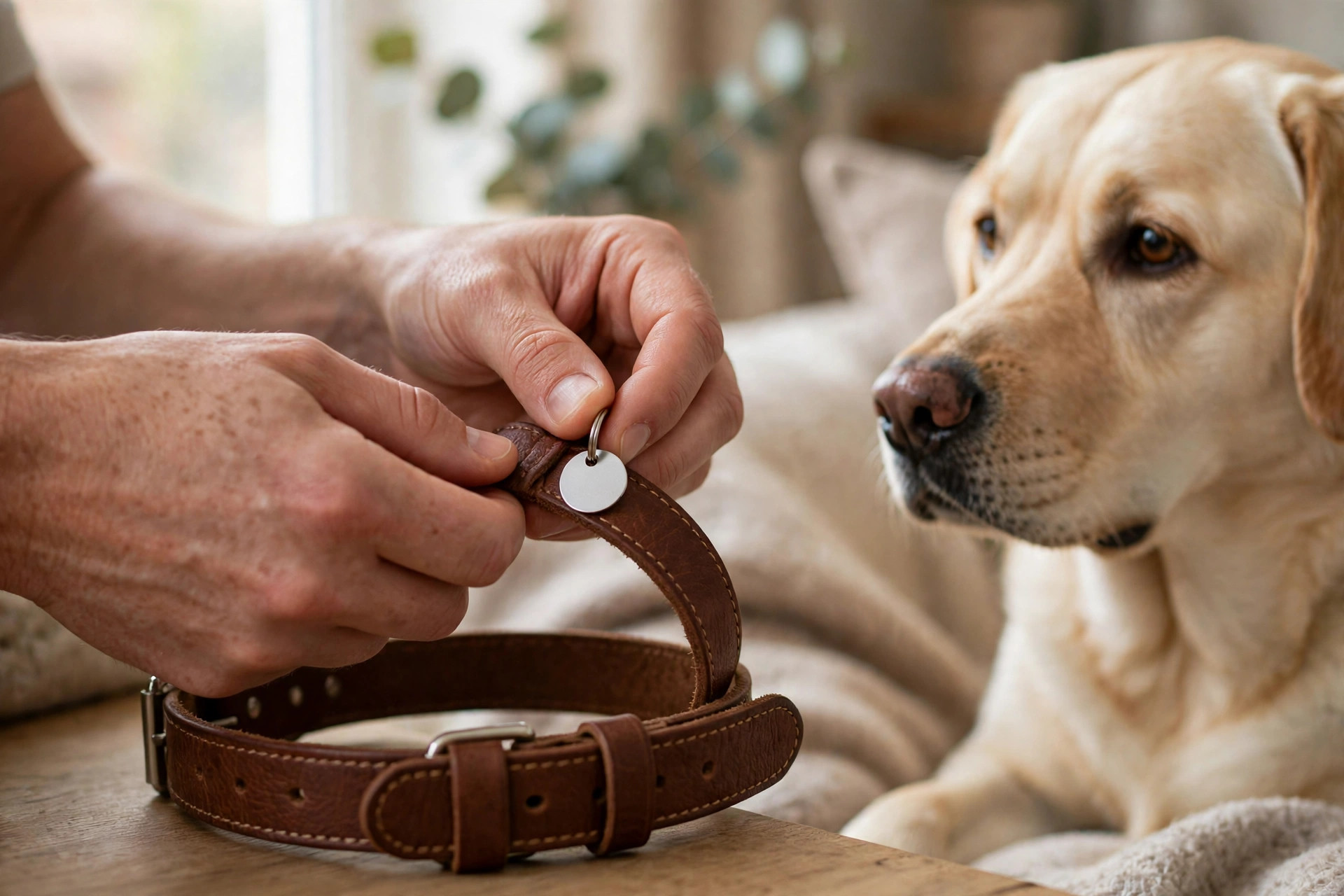
- Put the tag on the collar and keep the records. Attach the tag to your pet's collar the same day it arrives, and keep the license number and renewal date somewhere safe. Set a phone reminder a month before renewal so you never pay a late fee.

What Happens If You Don't License Your Pet?
Skipping the license is a gamble, and the downside is bigger than the fee you save. Here is what can happen:
- Fines. An unlicensed pet can mean a fine of $125 to $250 in many places. King County fines $125 for an unaltered pet's owner — $250 if the pet is unaltered — and Beaumont, Alberta fines $250 for not licensing your pet at all, plus $100 if the tag is not displayed.
- A lost pet stays lost longer. A license tag with a registration number lets a shelter or animal control officer look up your contact details immediately. Without it, a found pet may sit in a shelter while you search — and in some cities, unlicensed pets picked up as strays can be held for a shorter time before adoption.
- Trouble at the vet or groomer. Some boarding kennels, groomers, and dog parks ask for a current license, and a few cities require one before a dog can use a dog park.
- Higher costs later. If your unlicensed pet is picked up, you may pay the license fee plus the fine plus impound and boarding fees to get them back — several hundred dollars in total.
The honest math: a $10 to $30 license is far cheaper than a single $125 fine.
Do Cats Need a License Too?
It depends on your city — and this is where owners get caught out. Many US cities require licenses only for dogs. But a growing number of cities and counties now license cats as well, and the rules are easy to miss because cat licensing is newer.
King County, Washington requires licenses for all dogs and cats eight weeks of age or older in its coverage area. Richmond Hill, Ontario has required cat licenses since June 2025. Calgary licenses cats three months and older, charging $22 a year for an altered cat in 2026. Saskatoon licenses cats too, at $23.50 for an altered cat.
What about indoor-only cats?
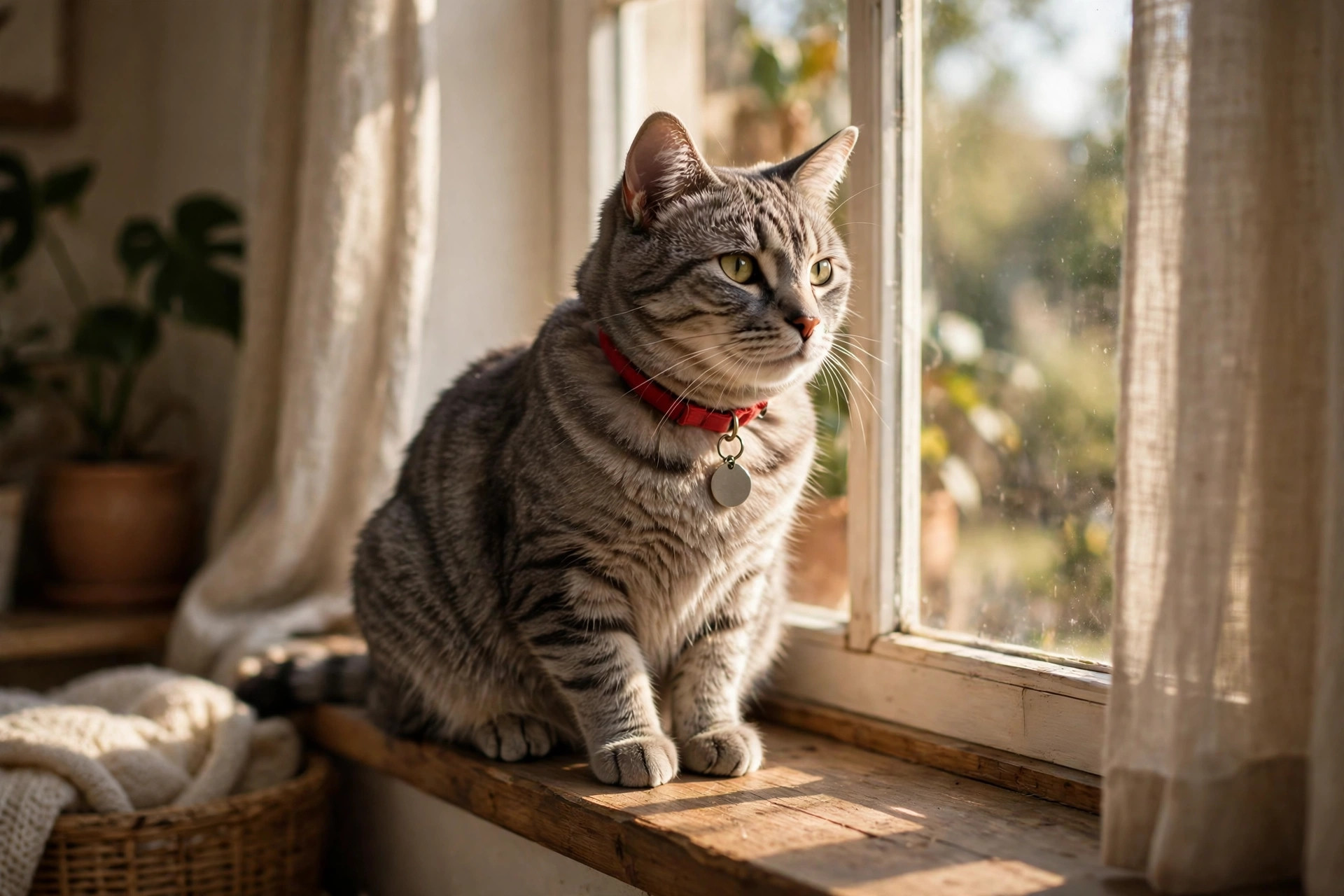
In cities that license cats, indoor-only cats usually still need a license — the rule is about ownership, not about whether the cat goes outside. The good news is that the cat fee is small, and a license tag is genuinely useful for indoor cats too: indoor cats are the ones most likely to slip out a door and get lost with no ID. If your city does not require a cat license, a collar tag with your phone number — or a microchip for dogs and cats — is still the best backup ID you can give your pet. For general cat care guidance, the ASPCA's cat care guide is a solid starting point, and the Cornell Feline Health Center covers feline health topics in depth.
5 Ways to Pay Less for a Pet License
- License an altered pet. The altered rate is the cheapest rate in nearly every city — often less than half the unaltered price.
- Buy a multi-year or lifetime license. A 3-year license in Los Angeles costs $55 instead of $60, and a lifetime license means you never pay a renewal fee again.
- Claim every discount. Senior, disability, and service-animal discounts are common but not automatic — ask when you apply.
- Renew on time. A single late fee ($15 to $30) can double the cost of a cheap license. Set a yearly phone reminder.
- Check for low-cost licensing events. Some shelters and cities run annual low-cost licensing clinics where the fee is reduced or waived, often alongside vaccination clinics.
For the bigger picture, a license is a tiny slice of the annual budget. See our monthly cost of owning a dog breakdown to see where the license fits alongside food, vet visits, and supplies — or check the ASPCA's dog care guide for the essentials every dog owner should budget for.
Frequently Asked Questions
How much is a pet license per year?
Most US cities charge $10 to $30 a year for a spayed or neutered dog and $5 to $25 for a spayed or neutered cat. Unaltered pets cost more — typically $25 to $80 for dogs. The exact fee is set by your city or county, so check your local animal services page.
Do I need a license for my dog?
In most US cities and counties, yes — dogs over 4 to 6 months old must be licensed. A few rural counties do not require one, but they are the exception. Your city or county animal services page will confirm the rule where you live.
Do indoor cats need a pet license?
In cities that license cats, yes — the rule usually applies to all cats above a certain age, indoor or not. In cities that license only dogs, cats do not need one. Check your local rules; if in doubt, a license tag is cheap insurance for a cat that might slip outside.
What do I need to license my pet?
Usually a current rabies vaccination certificate and proof of spay/neuter status for the lower fee. Some cities also ask for your pet's age, breed, color, and a photo. Most applications take about 15 minutes online.
How long does a pet license last?
Most licenses last one year from the date of purchase, though some cities use a calendar year (January to December). Multi-year licenses (2 or 3 years) and lifetime licenses are available in many places — Philadelphia, for example, sells lifetime licenses, and several Pennsylvania cities updated their fee schedules in 2024, as the AKC's Pennsylvania dog-law update explains.
What happens if my pet loses its license tag?
Order a replacement tag from the same office that issued the license. Replacement tags usually cost $5 to $15 — King County charges $11.50 and Richmond Hill charges $5. Keep your license number safe so the replacement can be issued quickly.
The Bottom Line
A pet license is one of the cheapest things you will buy for your pet all year — typically $10 to $30 for an altered dog, less for a cat — and it is the single most useful piece of ID your pet can wear. The fee varies by city, the altered rate is always the cheapest, and renewing on time keeps it cheap. If you have not licensed your pet yet, take fifteen minutes today: check your city's animal services page, gather the rabies certificate, and get it done.
Want to see the full picture of what your pet costs each year? Try CalcPet's free dog cost calculator to build a realistic yearly budget — or plan for the whole household with the multi-pet budget tool if you share your home with more than one furry friend.