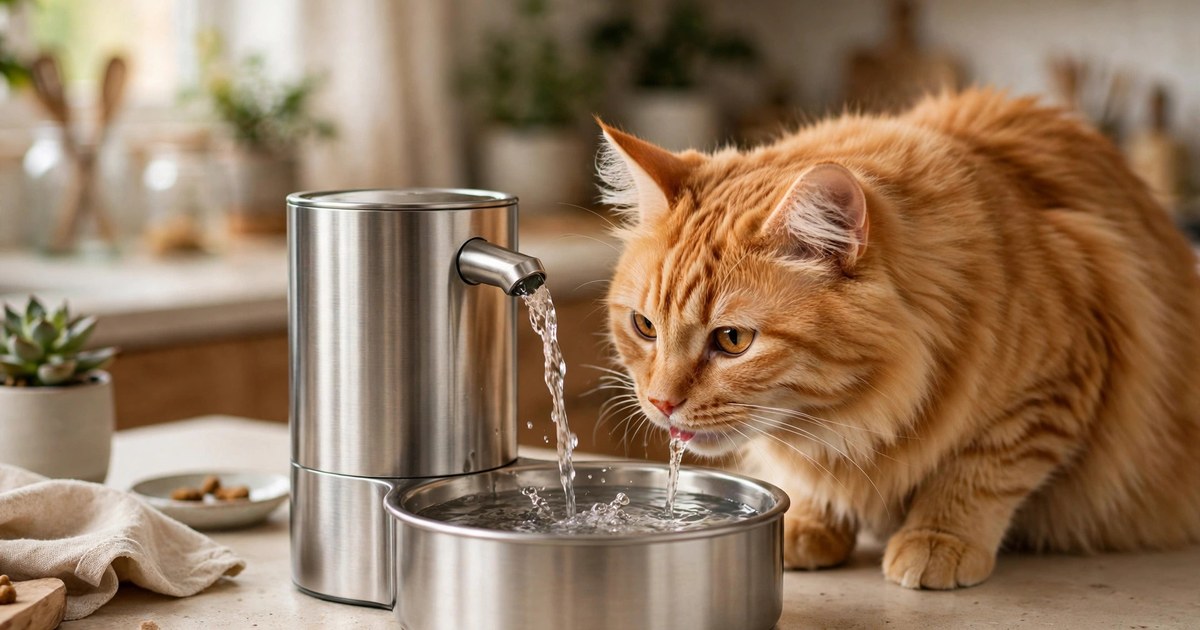
Bringing home a kitten is one of life's sweetest moments — and one of the few that comes with a receipt you don't see coming. Most new cat parents budget for the adoption fee and a bag of food, then spend the rest of the year wondering where the money went. The truth? A kitten's first year typically costs between $800 and $2,500, depending on where you adopt from, where you live, and how fancy the scratching post gets.
This guide breaks down every real expense — the ones you expect, the ones you don't — so you can walk into kitten parenthood with your budget intact and your heart wide open.
The Headline Number: What Does a Kitten's First Year Cost?
Let's start with the answer you're really here for. For a typical US household in 2026, expect to spend:
| Scenario | First-year total |
|---|---|
| Shelter adoption, budget-conscious owner | $800 – $1,200 |
| Shelter adoption, comfortable spending | $1,200 – $1,800 |
| Breeder kitten, premium everything | $2,000 – $2,500+ |
The first year is always the priciest year of a cat's life. After that, annual costs typically drop 30–50% because the carrier, the scratching post, and the initial vet visits are one-time buys. Think of year one as the investment year — everything after is maintenance.
Adoption Fees: Shelter vs. Breeder
The biggest single variable in your first-year budget is where your kitten comes from.
Shelter and rescue adoption: $50 – $200
Shelter fees usually include spay/neuter surgery, initial vaccinations, a microchip, and a first vet exam — a package that would cost $300–$600 bought separately.
Breeder purchase: $500 – $2,500+
Purebred kittens from reputable breeders cost far more, and the price varies wildly by breed — $1,000–$2,500+ for pedigrees like Persian or Bengal, versus $100–$300 for a domestic-breed kitten from a casual litter. Reputable breeders include health screening documentation and early socialization, but the upfront price is real money.
If you want the full comparison of adoption pricing and what fees typically include, see our companion guide: How Much Does It Cost to Adopt a Cat in 2026?.
One-Time Setup Costs: The Starter Kit
Before the kitten even crosses your threshold, you'll need gear. Here's what a sensible starter kit costs at typical US retail prices in 2026:
| Item | Budget pick | Mid-range pick |
|---|---|---|
| Carrier | $20 – $30 | $35 – $60 |
| Litter box | $10 – $15 | $20 – $40 |
| Scratching post | $15 – $25 | $30 – $70 |
| Food & water bowls | $8 – $12 | $15 – $30 |
| Cat bed | $15 – $25 | $30 – $60 |
| Starter toys (5–6 pieces) | $10 – $15 | $20 – $35 |
| Collar + ID tag | $8 – $12 | $15 – $25 |
| Grooming brush | $8 – $10 | $12 – $20 |
| Total | $94 – $144 | $177 – $340 |
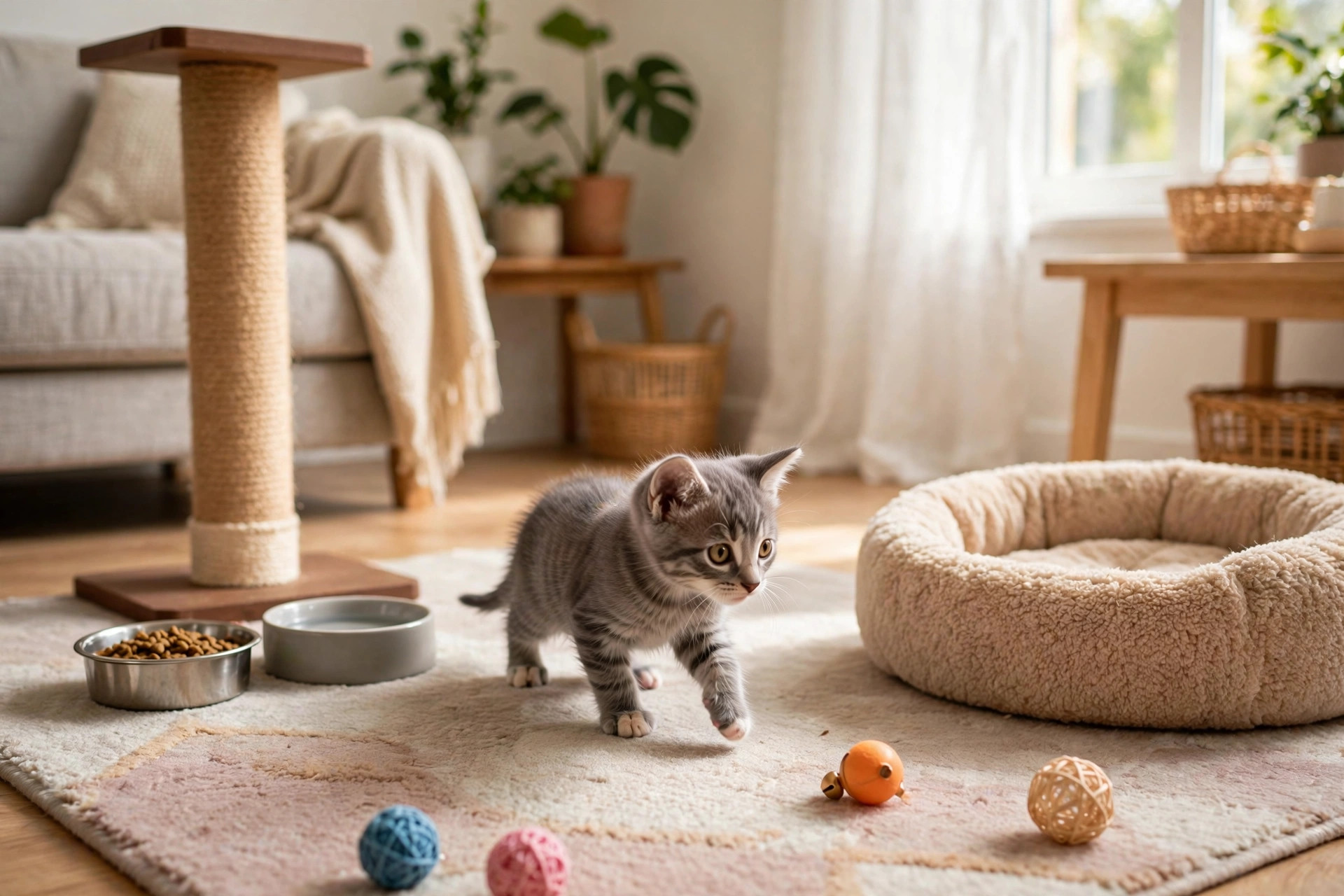
Pro tip: you don't need the mid-range everything. Kittens can't tell a $60 bed from a cardboard box — most will choose the box. Spend on the scratching post and the carrier (safety and furniture protection), and go budget on the rest until you learn your kitten's preferences.
First-Year Vet Costs (The Budget Version)
We won't tell you what medical care your kitten needs — that's between you and your veterinarian. But we can tell you what those visits typically cost, so nothing surprises you at checkout.
| Service | Typical 2026 price range |
|---|---|
| Initial vet exam (new kitten visit) | $50 – $100 |
| Spay surgery | $150 – $400 |
| Neuter surgery | $100 – $300 |
| Microchip (if not included in adoption) | $45 – $75 |
| Low-cost clinic spay/neuter package | $75 – $150 |
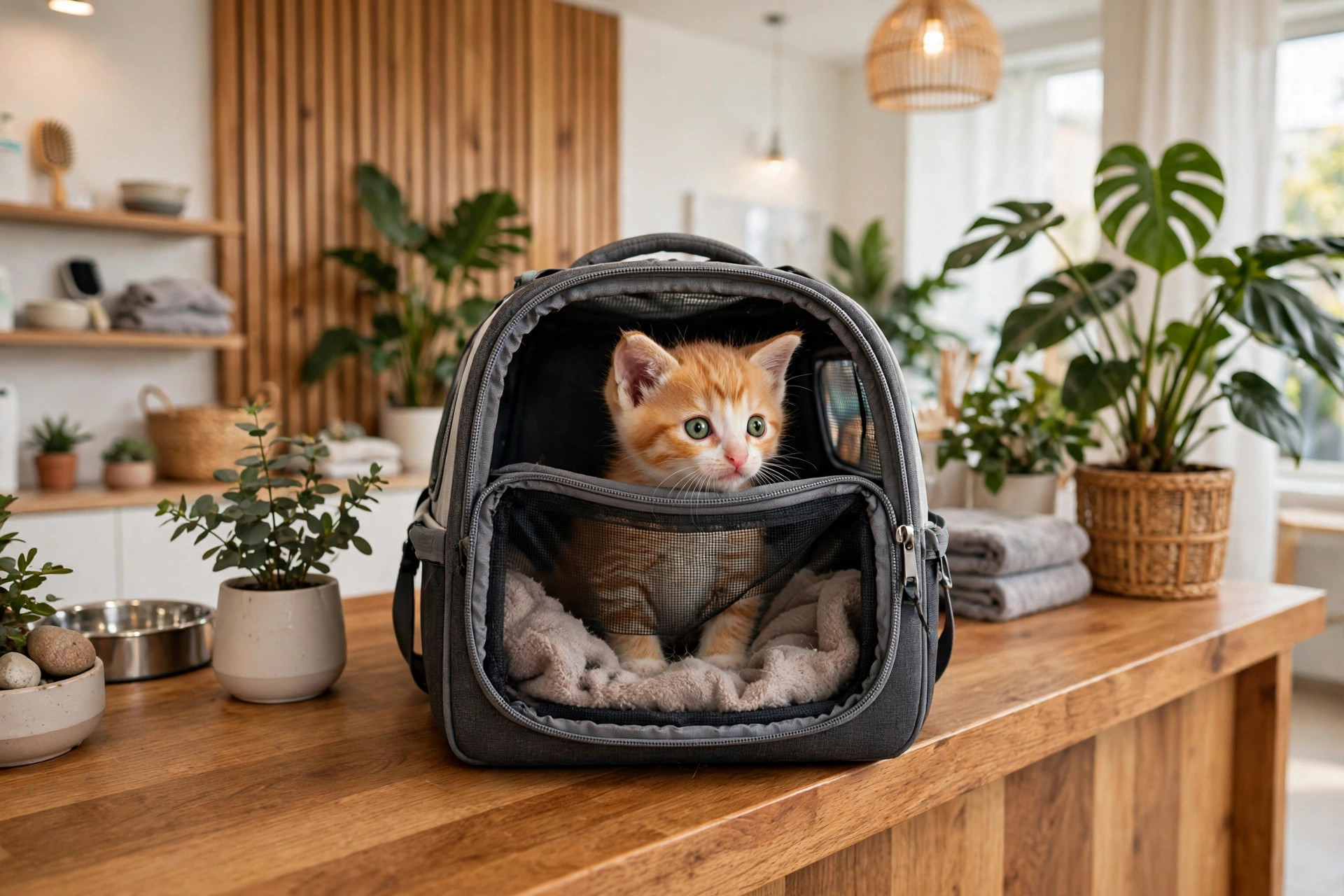
The biggest money-saver here is the low-cost spay/neuter clinic. Most metro areas have nonprofit clinics or mobile units that perform the same surgery for a fraction of a private practice's price — a quick search for "low-cost spay neuter near me" routinely saves owners $150–$300.
Monthly Recurring Costs
After the setup phase, your kitten settles into a predictable monthly rhythm. Here's the 2026 reality:
| Category | Monthly cost |
|---|---|
| Kitten food (dry + wet mix) | $25 – $60 |
| Litter | $15 – $30 |
| Treats | $5 – $15 |
| Toy replacements & enrichment | $5 – $15 |
| Monthly total | $50 – $120 |

Food is the wild card. A store-brand dry food budget runs ~$25/month; premium wet food can push the same kitten's bill past $60. What matters is consistency and a brand your kitten actually eats — the most expensive food is the one that goes uneaten.
Litter is the stealth budget line. Clumping clay is cheapest per pound but heavier to haul; buying the big box (35+ lbs) cuts the per-month cost by about 30% versus small bags. We ran the full comparison in our monthly-cost guide: How Much Does a Cat Cost Per Month in 2026?.
Hidden Costs New Kitten Parents Forget
These are the expenses that ambush first-timers — the difference between the $800 estimate and the $1,800 reality:
- Emergency vet fund: Kittens swallow things. Budget $300–$500 as an emergency reserve, or look into pet insurance ($15–$35/month for a kitten) so one bad evening doesn't become a $1,500 bill.
- Pet sitter or boarding: Your first trip away will cost $25–$75 per night for a sitter. Two vacations in year one = $250–$750 you never budgeted.
- Furniture and fabric damage: Even with a scratching post, expect $50–$150 in "tuition" — a scratched chair arm, a chewed phone charger, a curtain that met gravity.
- Replacement supplies: That first litter box will be too small by month six. The carrier that fit a 2-pound kitten won't fit a 9-pound cat. Budget $75–$150 for upsizing.
- Cleaning supplies: Enzyme cleaner, lint rollers, an extra set of sheets. $30–$60 for the year.
- Move or deposit costs: Many landlords charge a $200–$500 pet deposit or $25–$50/month pet rent. Check your lease before adopting.
Smart Ways to Save (Without Cutting Corners)
- Adopt during promotion events. Shelters regularly run $25-adoption weekends. Same kitten, same included vet work, 75% off.
- Buy litter and food in bulk. The 35-lb litter box and the 15-lb food bag both cut per-unit costs by 25–40%.
- DIY enrichment. Paper bags, cardboard boxes, and crumpled receipt paper entertain kittens better than most $12 toys. Save the toy budget for one or two quality interactive toys.
- Use the low-cost spay/neuter clinic. Same procedure, half (or less) the price. This single choice saves most owners $150–$300.
- Ask about kitten starter packages. Some shelters and vets bundle the carrier, food samples, and first exam — ask before you buy everything separately.
- Consider pet insurance early. Insuring a young, healthy kitten is the cheapest it will ever be ($15–$25/month). One avoided emergency visit pays for years of premiums.
- Thrift the big stuff. Cat trees and carriers in great condition show up constantly on local marketplaces for 50–70% off retail — wash and disinfect everything.
Month-by-Month Spending Snapshot
Here's how the money actually flows across the first year for a typical shelter-adopted kitten:
| Month | What's happening | Approx. spend |
|---|---|---|
| 1 | Adoption fee + full starter kit + first vet exam | $350 – $600 |
| 2–3 | Spay/neuter + monthly food/litter | $200 – $450 |
| 4–6 | Monthly routine + toy top-ups | $150 – $360 |
| 7–9 | Monthly routine + upsized supplies | $200 – $450 |
| 10–12 | Monthly routine + holiday pet-sitter | $200 – $500 |
Notice the pattern: month one is roughly a third of the whole year's spending. Cover the first month comfortably, and the remaining eleven are smooth sailing.
Is a Kitten the Right Financial Choice for You?
Forget the averages and run your own numbers. A kitten fits your budget if you can answer yes to three questions:
- Can you cover $400–$600 in month one without touching emergency savings?
- Can you absorb $60–$120/month indefinitely without lifestyle pain?
- Do you have a $500 emergency buffer (or insurance) for the one bad night every pet owner eventually has?
If yes to all three: congratulations, you're financially ready. If the monthly number makes you wince, consider adopting an adult cat instead — lower energy, known personality, and the pricey first-year phase is already behind them.
Still on the fence? Our new kitten checklist walks you through the non-financial side of readiness too.
Frequently Asked Questions
How much does a kitten cost in the first year in 2026?
Most owners spend $800–$2,500 in the first year. Shelter adoptions with budget-friendly choices land near $800–$1,200; breeder kittens with premium spending reach $2,000–$2,500+. Month one is typically $350–$600.
Is it cheaper to adopt a kitten or buy from a breeder?
Adopting is dramatically cheaper. Shelter fees ($50–$200) usually bundle spay/neuter, vaccinations, microchipping, and an exam — services worth $300–$600 separately. Breeder kittens start around $500 and can exceed $2,500 before you've bought a single toy.
What is the most expensive part of owning a kitten?
The spay/neuter surgery is typically the largest single bill ($100–$400 at a private vet). The sneakiest cost is the monthly food-and-litter rhythm ($50–$120/month), which quietly becomes the biggest annual line item by year's end.
How can I save money on kitten expenses?
Adopt during shelter promotion events, buy food and litter in bulk, use low-cost spay/neuter clinics, DIY toys from household items, and consider pet insurance while your kitten is young and premiums are lowest.
Do kittens cost more than adult cats in the first year?
Usually, yes. Kittens need the full starter kit (carrier, scratching post, small-size gear they'll outgrow), the spay/neuter surgery, and the first round of vet visits — expenses an adopted adult cat has mostly already absorbed.
How much should I budget monthly for a kitten after the first year?
Once the setup phase is over, most cats cost $50–$100/month for food, litter, treats, and routine needs — less than the first-year average, since you're no longer buying gear and paying for procedures.
Conclusion: Budget First, Cuddle Second
A kitten's first year will cost you somewhere between $800 and $2,500 — but "somewhere" is a stressful place to live. The owners who enjoy kittenhood most aren't the ones who spent the least; they're the ones who knew the number before the kitten arrived. Month one is the mountain ($350–$600), everything after is a gentle slope, and a few smart choices — shelter promotions, bulk buying, low-cost clinics — shave hundreds off the total without shaving any joy off the experience.
Ready to run your own numbers? Our free Kitten First-Year Budget calculator gives you a personalized first-year estimate in seconds — then compare it against the Cat Cost Calculator to see the lifetime picture. Or start from the top: the CalcPet homepage has all 35 free tools in one place. Budget first, cuddle second — your future self (and your kitten) will thank you.
Further reading from trusted authorities: the ASPCA's cat care hub, the AVMA's resources for pet owners, and the Cornell Feline Health Center.