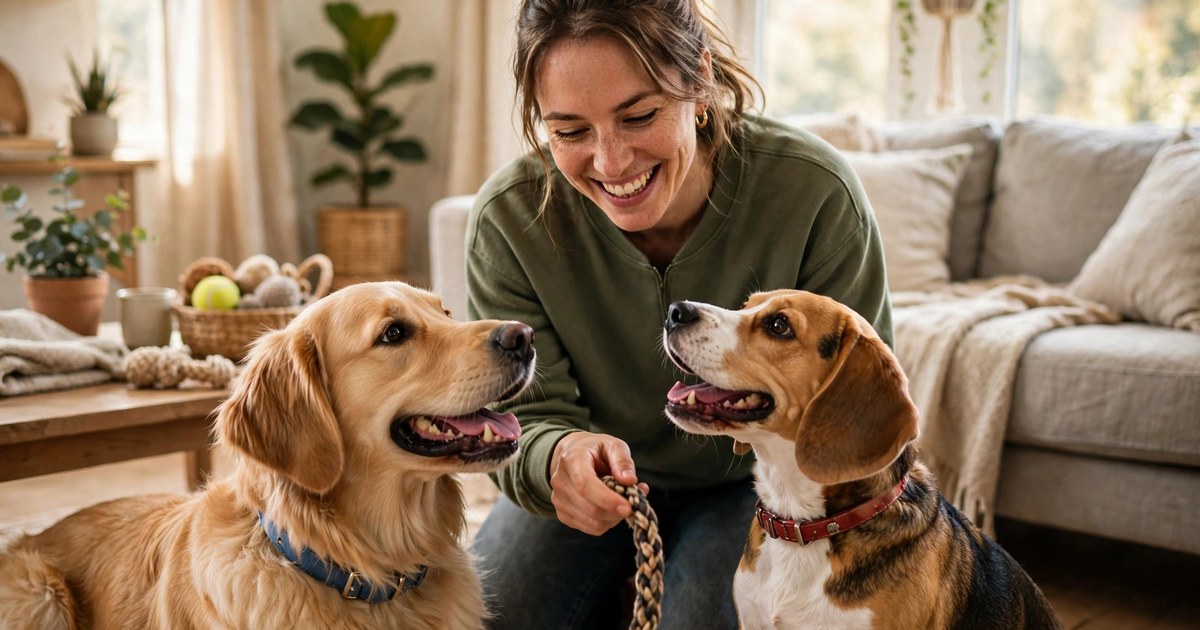
Senior dogs are some of the most overlooked dogs in shelters — and some of the most rewarding to bring home. They usually arrive house-trained, past the chewing-everything phase, and clear about what they want: a soft bed, a short walk, and a person nearby. But adopting an older dog is different from adopting a puppy, and the first few weeks need a little more thought.
This checklist covers the whole process, from the questions to ask before you sign the papers to the first month at home.
Why Adopt a Senior Dog?
A senior dog is usually classed as senior from around 7 years old, though large breeds reach that stage earlier and small breeds later. Many older dogs end up in shelters through no fault of their own — an owner moves, passes away, or can no longer cope. What they offer in return is hard to match: a calm companion whose personality is already formed, so there are no surprises about size, energy level, or temperament.
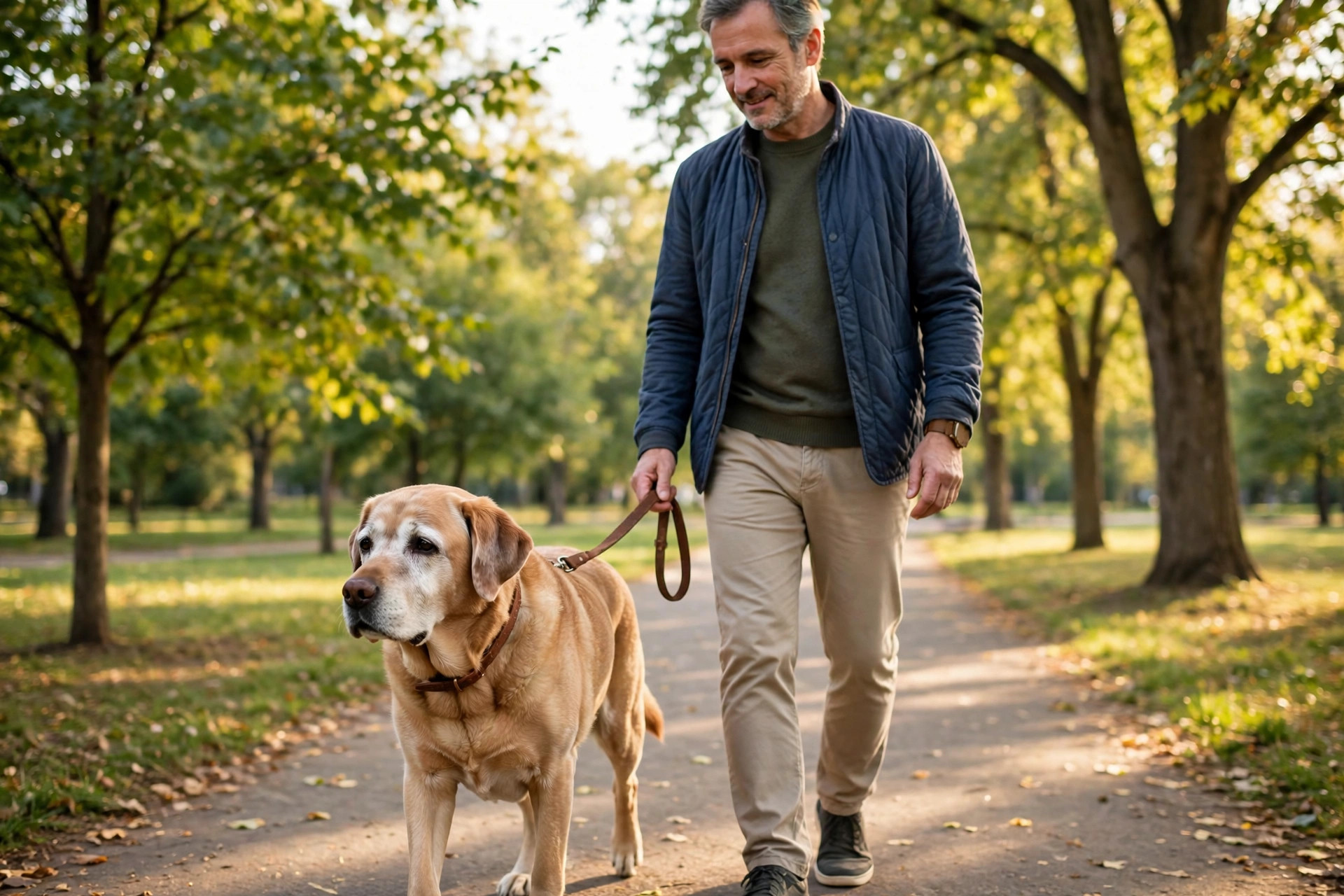
The Complete Senior Dog Adoption Checklist
Before You Decide: Questions to Ask the Shelter
- How old is the dog, and how was the age estimated? Shelter ages are often estimates. Ask what the estimate is based on.
- What do you know about their history? Previous home, reason for surrender, how long they have been at the shelter.
- What are their known health notes? Ask for the records the shelter holds — vaccinations, microchip status, spay/neuter status, and any treatments already given.
- How are they with children, other dogs, and cats? Ask for observed behaviour, not guesses. If the shelter has not tested it, factor that into your plan.
- Are they house-trained? Most senior dogs are, but shelter life can undo it. Ask what the staff have seen.
- What food are they eating now? Keep the same food for the first two weeks to avoid stomach upsets.
- Can we do a trial or foster-to-adopt period? Many rescues offer this for seniors. A weekend at home tells you more than any shelter visit.
- What support do you offer after adoption? Some rescues provide follow-up calls, training help, or a return policy if the match does not work.
Shopping List: What to Buy Before Adoption Day
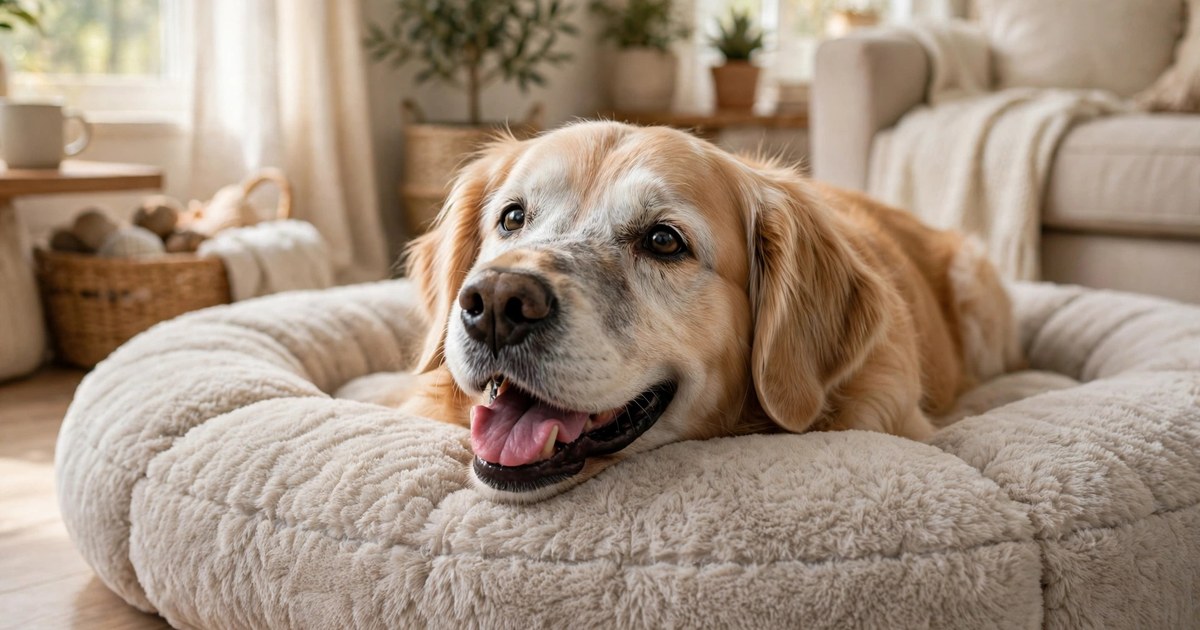
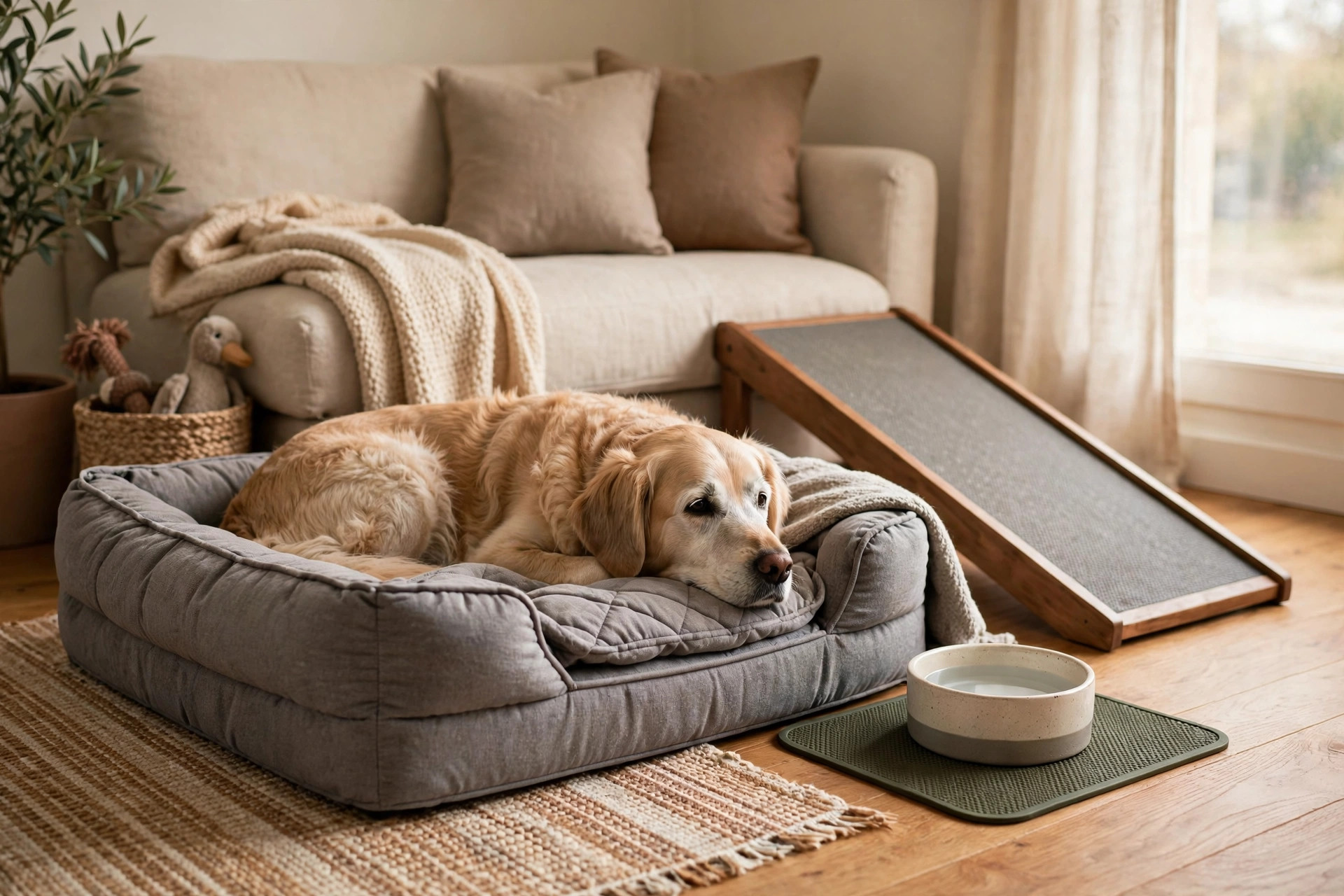
- A thick, supportive bed with a low entry edge — place it in a warm, quiet corner where the family gathers
- Two bowls (food and water) — raised slightly if your dog is tall or stiff, and a non-slip mat underneath
- A comfortable collar, an ID tag with your phone number, and a secure harness and leash
- The same food the shelter has been feeding, plus a few soft training treats
- A ramp or pet steps if your dog will need help onto the sofa or into the car
- Non-slip rugs or runners for hard floors on the routes your dog will use most
- A baby gate or two, to give your dog one or two rooms at first instead of the whole house
- Grooming basics: a soft brush, dog shampoo, nail clippers, and towels
- Waste bags, an enzymatic cleaner for accidents, and a night light for the hallway to the garden
- A few gentle enrichment items: a snuffle mat, a slow feeder, and a puzzle toy suited to older dogs
Home Setup: Room-by-Room
- Living room: bed in a draught-free spot, water bowl nearby, a ramp to their favourite sofa spot, rugs over slippery floors.
- Kitchen: food and water in the same place every day — senior dogs navigate by memory and routine. Keep bins secured.
- Hallway and stairs: a gate at the top and bottom of stairs if your dog should not climb them unsupervised; a night light for evening toilet trips.
- Garden or yard: check fences for gaps, clear sharp objects, and make sure there is a sheltered spot and a clear path to the toilet area.
- Your bedroom: decide now whether your dog sleeps in your room. Most senior dogs settle faster close to their person.
The First 24 Hours
Keep the first day small and boring. That is a compliment, not a failure. Let your dog sniff the garden first, then walk them through the front door on a leash.
- Show them the essentials only: bed, water, food, and the door to the garden. One or two rooms, gated off from the rest.
- Feed the same food, at the same times the shelter used. Keep portions the same for the first week.
- Offer frequent toilet breaks: first thing in the morning, after every meal and nap, and last thing at night. Older bladders need more chances, and accidents are not a training failure.
- Let them sleep. Newly adopted senior dogs often sleep a great deal in the first days. It is normal — they are decompressing.
- Keep visitors away for the first 48 hours. Introductions can wait until your dog knows who you are.
The First Week Plan
A simple day-by-day plan keeps the first week steady.
- Day 1–2: Rest, routine, and the essentials. Same rooms, same food, same walk times. No new people, no new places.
- Day 3–4: Book a vet visit for the first week so your vet can review the shelter records and set a visit schedule going forward. Open one more room of the house.
- Day 5–7: Short, gentle walks in quiet places. Start a simple daily routine — meals, walks, rest, and a little play at the same times each day. Senior dogs are sensitive to change, so consistency is the comfort.
- Week 2: Slow introductions to other pets and regular visitors, one at a time, with an easy exit for your dog.
- Weeks 3–6: Personality appears. You will learn their real energy level, favourite spots, and quirks. Adjust the routine to match the dog in front of you, not the dog you imagined.
Daily Life With a Senior Dog
Exercise: Short and Often
Most senior dogs do best with two or three short walks a day rather than one long one. Let them sniff — sniffing is tiring, enriching work for a dog. Avoid hot midday walks in summer and icy pavements in winter; older dogs feel temperature changes more. If your dog lags or lies down, the walk is over.
Feeding and Routine
Keep meals at the same times every day and measure portions rather than free-feeding, so you notice appetite changes early. Fresh water should always be available. Any change of food should be gradual, mixed with the old food over several days. If you are unsure about the right food or amount for your dog's age and size, your vet is the person to ask.
Training an Older Dog
Old dogs absolutely can learn new things — they are often easier to train than puppies because they can concentrate. Keep sessions to two or three minutes, use soft treats, and pair hand signals with verbal cues in case hearing fades later. Reward calm behaviour you like and you will see more of it. Never scold accidents or confusion; a senior dog that is unsure needs guidance, not correction.
What Adopting a Senior Dog Costs
Senior adoptions are often cheaper up front than puppies, but the ongoing budget deserves an honest look. These are typical ranges reported by shelters and pet-care guides — your area and your dog will vary.
| Item | Typical range |
|---|---|
| Adoption fee (seniors are often discounted) | $50–$300 |
| First vet visit and baseline checks | $50–$150 |
| Bed, ramp, bowls, collar, leash and tags | $100–$250 one-off |
| Food per month | $30–$80 |
| Routine vet visits per year | $200–$400 |
| Grooming (at home or salon) | $30–$70 per session |
Many shelters reduce or waive adoption fees for senior dogs, and some rescues cover the first vet visit. Ask what is included in the fee before you pay — vaccinations, microchip, and spay/neuter are often bundled. For a full breakdown of ongoing senior-dog costs, see our senior dog care cost guide.
5 Mistakes to Avoid When Adopting a Senior Dog
- Expecting a puppy's energy. Senior dogs play, but in shorter bursts. Plan for naps, not marathons.
- Changing everything at once. New home, new food, new people, new rules — too much change in week one is the fastest way to a stressed dog.
- Skipping the first-week vet visit. Your vet needs the shelter records and a baseline to work from. Book it before adoption day if you can.
- Forgetting the floors. Slippery wood and tile are frightening for stiff legs. Rugs are cheap; a fall is not.
- Judging the first two weeks. A quiet, sleepy dog in week one can become a devoted shadow by week six. Give them time to decompress.
Frequently Asked Questions
What age is considered a senior dog?
Most dogs are considered seniors from around 7 years old, but it depends on size. Large and giant breeds often reach senior status at 6, while small breeds may not be seniors until 9 or 10.
Are senior dogs harder to adopt than puppies?
The process is usually the same — application, meet-and-greet, and an adoption fee. Some shelters have simpler requirements for seniors, and many offer trial or foster-to-adopt periods.
Do senior dogs bond with new owners?
Yes. Senior dogs often bond deeply and quickly once they feel safe. Give them a quiet first few weeks and a predictable routine, and the bond usually follows.
How much exercise does a senior dog need?
Most senior dogs do well with two or three short walks a day — around 20 to 30 minutes each, adjusted to the individual dog. Let your dog set the pace and rest when they want to.
Should I adopt a senior dog if I work full-time?
It can work well, because senior dogs generally sleep more and need less constant supervision than puppies. You will still need a midday toilet break — a dog walker, a family member, or a lunch break at home.
What should I do if my senior dog has accidents in the house?
Stay calm and clean up without fuss. Increase toilet breaks, keep to a strict routine, and make the garden easy to reach at night. If accidents start suddenly or become frequent, mention it at your next vet visit.
Final Checklist: Before You Bring Them Home
- Shelter questions asked and records received
- Vet visit booked for the first week
- Bed, bowls, collar, ID tag, harness and leash bought
- Same food as the shelter, plus soft treats
- Ramp or steps, non-slip rugs, baby gates in place
- One or two quiet rooms ready, the rest gated off
- Toilet routine planned, night light on the hallway route
- Family briefed: quiet first 48 hours, no visitors, no scolding accidents
Conclusion
Adopting a senior dog is one of the kindest and most rewarding things a dog lover can do. The dogs that wait longest in shelters are often the ones who ask for the least — a warm bed, a short walk, and someone to sit beside. Run through this checklist, set up the house before adoption day, and give your new companion a calm first month.
Wondering how old your new friend really is in human terms? Try our dog age calculator to see your senior dog's age in human years — and if you are bringing home a rescue of any age, our first week with a rescue dog checklist pairs well with this guide. For everything else, the CalcPet homepage has all our tools and guides in one place.
Further reading from trusted sources: the ASPCA's general dog care guide, VCA Hospitals' senior dog care guide, and the American Kennel Club's tips for caring for an old dog.