Some dogs cost a few hundred dollars to bring home. Others can cost as much as a car — and then keep costing you every month for the next ten to fifteen years. If you are dreaming of a rare or giant breed, the purchase price is only the first bill. Food, grooming, insurance, and routine care add up fast.
This guide ranks the 10 most expensive dog breeds to own in 2026 by the full picture: breeder price, monthly costs, and lifetime total. Every range below comes from published 2026 breed guides and insurer data, so you can budget honestly.
How We Rank "Expensive to Own"
A breed can be expensive in three ways: purchase price (rare breeds, small litters, and breeds that need caesarean births cost more), monthly running costs (giant breeds eat far more, heavy coats need professional grooming, and some breeds carry the highest insurance premiums), and lifetime total (purchase price plus every year of care). The AKC estimates a large dog costs about $14,480 over a 10-year life and a small dog about $15,051 over 15 years — and the breeds on this list sit well above those averages. The ASPCA's cost table puts the first year of dog ownership at about $3,221, and every year after that at about $1,391 — see the ASPCA dog care guide for the full breakdown.
The 10 Most Expensive Dog Breeds to Own in 2026
| Breed | Typical purchase price | Typical monthly budget | Biggest cost driver |
|---|---|---|---|
| Tibetan Mastiff | $2,000–$10,000+ | $400–$550 | Food + insurance |
| Samoyed | $1,500–$8,000 | $250–$400 | Grooming + coat care |
| Löwchen | $8,000–$12,000 | $200–$350 | Rarity + purchase price |
| Chow Chow | $1,200–$8,500 | $250–$400 | Grooming + insurance |
| Azawakh | $2,000–$9,500 | $200–$350 | Rarity + import costs |
| Dogo Argentino | $1,500–$8,000 | $250–$400 | Food + insurance |
| Afghan Hound | $5,000–$7,000 | $250–$400 | Grooming |
| French Bulldog | $2,000–$3,500 | $250–$450 | Insurance + routine care |
| Bernese Mountain Dog | $2,000–$3,500 | $350–$500 | Food + insurance |
| English Bulldog | $2,000–$3,500 | $250–$450 | Insurance + routine care |
Monthly figures are typical full-care estimates for 2026. One published model puts the Mastiff at about $511 a month, the Great Dane at $445, and the Newfoundland at $431.
1. Tibetan Mastiff
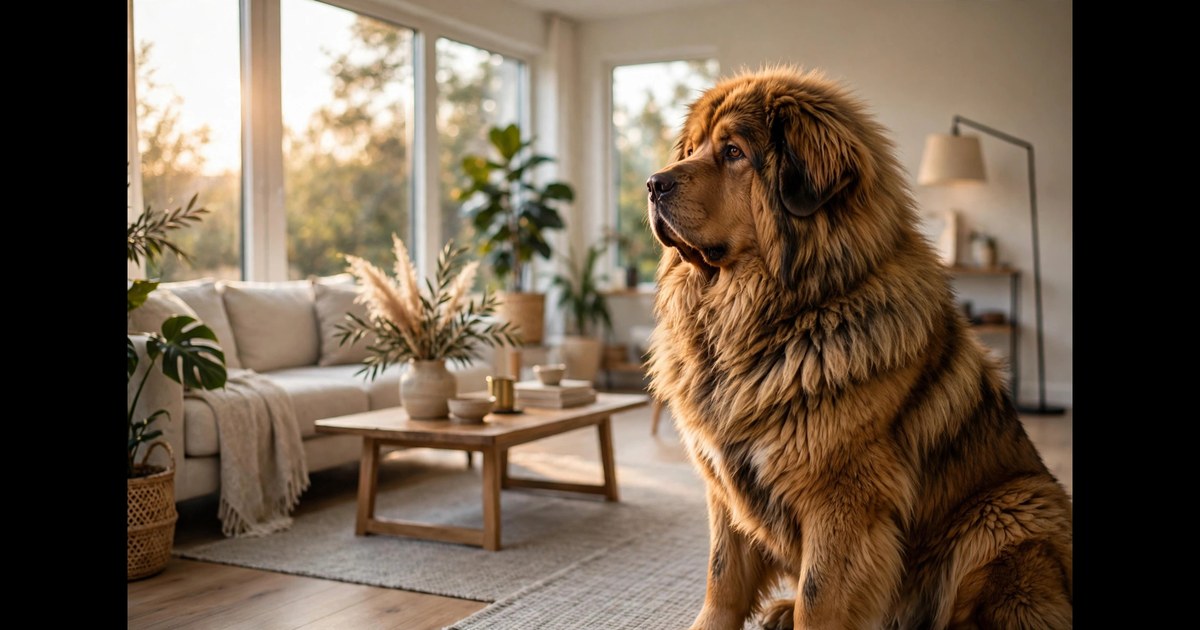
The Tibetan Mastiff is the most expensive dog breed to buy, with reputable breeders typically charging $2,000 to $10,000 or more. One famous red puppy reportedly sold in China for around $1.5 million — an extreme outlier, not a market price. The breed is extremely rare outside Asia, produces small litters, and a 100-plus-pound guardian eats a lot while giant-breed insurance runs high. Best for experienced owners with space and a secure yard.
2. Samoyed
A Samoyed puppy typically costs $1,500 to $8,000, with top-lineage puppies reported up to $14,000. The famous "smiling" white coat is the reason — and also the ongoing cost. That dense double coat needs regular brushing at home and professional grooming through the year, so budget roughly $250 to $400 a month. Best for active families who enjoy grooming.

3. Löwchen
The Löwchen, or "little lion dog," is one of the rarest breeds in the world, and rarity sets the price: puppies are commonly listed at $8,000 to $12,000, with long waiting lists. Day to day, a Löwchen is cheap to keep — a small dog eats little, and the monthly budget is roughly $200 to $350. Best for patient buyers who love rare breeds.
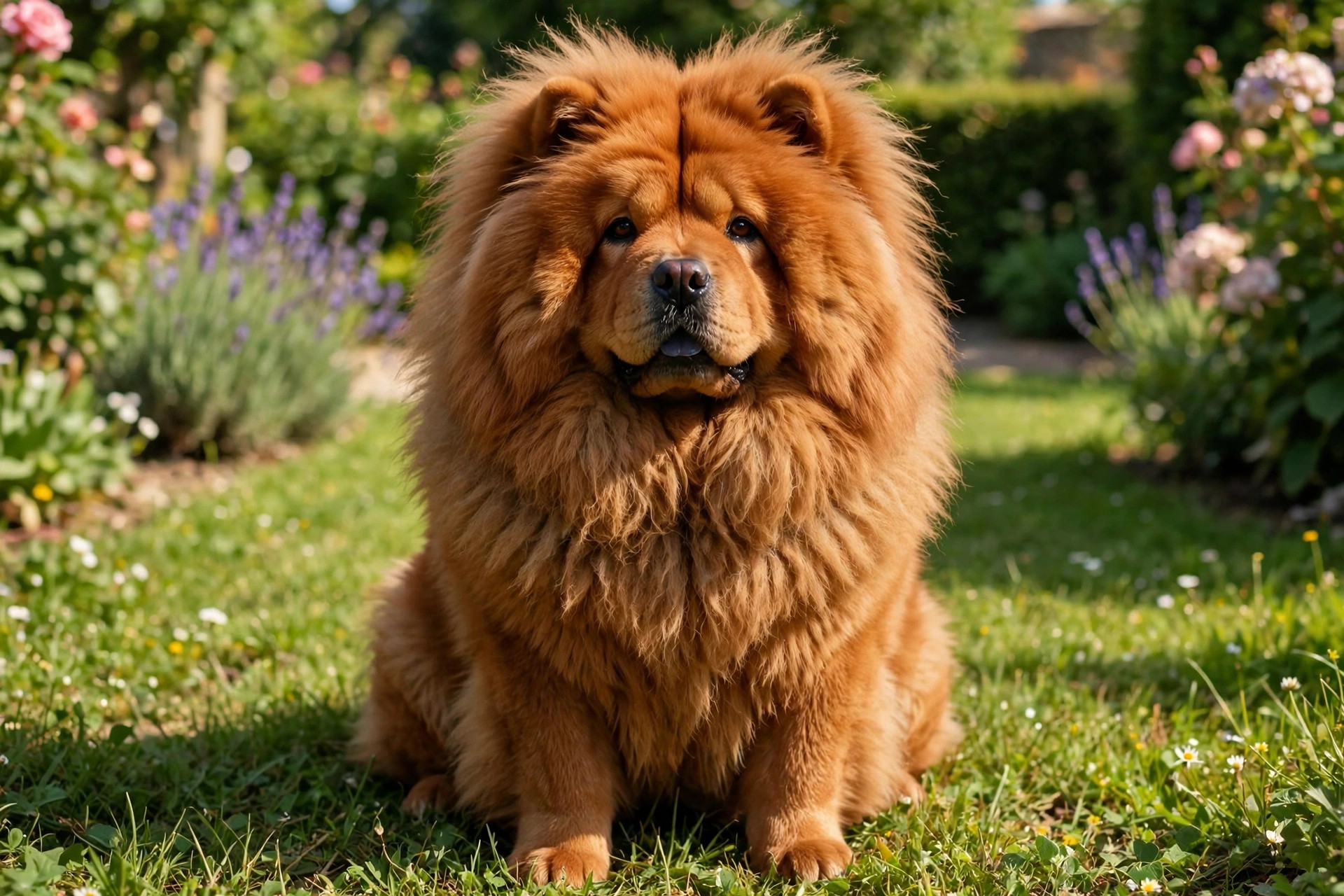
4. Chow Chow
Chow Chows typically cost $1,200 to $8,500 from a reputable breeder, with rare coat colors pushing toward $10,000. The breed's limited U.S. breeding population keeps prices high. Ongoing costs run roughly $250 to $400 a month: the thick double coat needs regular professional grooming, and insurance premiums sit above average. Best for calm, experienced owners who can commit to grooming.
5. Azawakh
The Azawakh, a tall sighthound from West Africa, typically costs $2,000 to $9,500. It is one of the rarest AKC-recognized breeds in the United States, and most breeders produce only one litter every year or two. Monthly costs are moderate, roughly $200 to $350, because the short coat needs almost no grooming. Best for active owners with room for a dog that loves to run.
6. Dogo Argentino
Dogo Argentinos typically cost $1,500 to $8,000. Import and lineage costs push the price up, and responsible breeders add mandatory hearing testing tied to the breed's white coat. As a large, muscular breed, the Dogo eats a lot and carries above-average insurance costs, so budget roughly $250 to $400 a month. Best for experienced owners with space.
7. Afghan Hound
The Afghan Hound typically costs around $5,000 to $7,000. The long, silky coat is the breed's signature — and its biggest running cost. Daily brushing and regular professional grooming are not optional, so monthly costs run roughly $250 to $400. Best for owners who enjoy grooming.
8. French Bulldog
The French Bulldog is the most popular breed in the U.S., and popularity keeps breeder prices high — typically around $3,250. Many flat-faced breeds cannot give birth naturally and need a caesarean section, which raises the cost of every litter. What really makes the Frenchie expensive is the monthly bill: roughly $250 to $450, because flat-faced breeds carry the highest pet insurance premiums. See our French Bulldog cost guide. Best for apartment dwellers who can afford the insurance.
9. Bernese Mountain Dog
Bernese Mountain Dogs typically cost around $3,000 from a reputable breeder. The purchase price is the cheap part: a Berner eats a large amount of quality food every month, and insurance for a 100-pound dog is expensive, so a full-care monthly budget of roughly $350 to $500 is realistic. Berners are also known for shorter lifespans than smaller breeds, often under ten years. Best for families with space who want a gentle giant and understand the shorter lifespan.
10. English Bulldog
English Bulldogs typically cost around $3,250 from a reputable breeder. Like the French Bulldog, the breed's flat face drives both the puppy price — caesarean births are common — and the insurance bill. English Bulldogs, French Bulldogs, and Cavalier King Charles Spaniels carry the highest pet insurance premiums of any breeds. Expect roughly $250 to $450 a month. The VCA dog breed library is a good place to compare temperament and care needs across breeds before you commit. Best for calm households that want a loyal, low-energy companion.
What Actually Makes a Breed Expensive to Own?
Four things decide the lifetime bill. Size: food scales with weight — giant breeds can eat three to four times as much as a small dog. Coat: heavy double coats need professional grooming, at $60 to $120 a session, several times a year. Insurance: flat-faced breeds and giant breeds carry the highest premiums — get quotes before you buy. Routine care: the AKC puts routine vet care at $700 to $1,500 a year, before emergencies. The pattern is clear: the priciest breeds are either very rare, very large, very heavily coated, or flat-faced.
Before You Buy: The Budget Checklist
- Get three insurance quotes for the exact breed and your postcode — do not guess the premium.
- Price a month of food for the breed's adult weight, not the puppy's weight.
- Ask a local groomer what a full session costs for that coat, and how often it is needed.
- Add first-year setup costs — crate, bed, leash, bowls, vet visits — the ASPCA puts these at about $1,030 on top of the puppy price.
- Set aside an emergency fund of at least $1,000 to $2,000 before the puppy comes home.
- Check the breeder's health testing paperwork — cheap puppies from untested parents cost the most in the end.
- Work out the lifetime total: multiply the monthly budget by the breed's expected lifespan and add the purchase price.
- Be honest about your time: heavy coats need daily brushing, giant breeds need daily exercise.
5 Ways to Keep Costs Down Without Cutting Corners
- Buy food in bulk and store it properly — giant-breed food bills drop noticeably per pound.
- Learn basic grooming at home — brushing and bathing between professional sessions stretches each visit further.
- Compare insurance every year — premiums vary widely between providers for the same breed.
- Choose a breeder with full health testing — a higher puppy price from a tested line often costs less over time.
- Consider an older dog — adult rescues of expensive breeds sometimes cost a fraction of a puppy, and you skip the hardest first year.
Frequently Asked Questions
What is the most expensive dog breed to own?
The Tibetan Mastiff: breeders typically charge $2,000 to $10,000 or more, with monthly costs of roughly $400 to $550. Over a lifetime, giant breeds like the Mastiff and Bernese Mountain Dog cost the most, because of food and insurance.
What is the most expensive dog breed in the world?
The Tibetan Mastiff holds the record: a golden-haired puppy reportedly sold for about $1.9 million in 2014. These are extreme one-off sales, not market prices — a normal puppy costs $2,000 to $10,000.
Are expensive breeds more expensive every month, or just to buy?
Both, but the monthly bill matters more. A Löwchen costs up to $12,000 to buy but only about $200 to $350 a month to keep, while a Bernese Mountain Dog costs about $3,000 to buy and $350 to $500 every month.
Why are French Bulldogs and English Bulldogs so expensive to insure?
Flat-faced breeds carry the highest pet insurance premiums because of their well-documented breathing and health issues, and breeders charge more because caesarean births are common. Get insurance quotes before you buy.
Is it cheaper to adopt an expensive breed instead?
Often, yes. Breed-specific rescues sometimes rehome adult dogs of expensive breeds for a few hundred dollars in adoption fees, and you skip the costly first year. Monthly food, grooming, and insurance costs stay the same, though.
How much should I budget per month for a large dog?
For a large or giant breed, a realistic full-care monthly budget is $250 to $550. The ASPCA's average is about $1,391 a year after the first year, but giant and flat-faced breeds sit well above that average.
Conclusion
The most expensive dog breeds to own are expensive for honest reasons: rarity, size, heavy coats, or flat faces. The purchase price is the number everyone quotes, but the monthly budget is the number that decides whether the breed fits your life. Before you fall for a Samoyed smile or a Tibetan Mastiff's mane, run the numbers — insurance, food, grooming, and the lifetime total.
If you already have a dog, try the dog age calculator to convert its age into human years. And if your budget points the other way, our guide to the average cost of owning a dog per year shows what a typical dog really costs. You can also browse the full CalcPet homepage for more free pet tools and guides.