If you love dogs but your nose runs, your eyes water, or you sneeze every time a dog walks past, you have probably Googled "hypoallergenic dog breeds" — and found a dozen lists that all say the same thing. Here is the honest version first: no dog breed is 100% hypoallergenic. What exists instead are breeds that shed very little, produce less loose dander, and are far easier to live with when you have allergies. Pick the right one, groom it properly, and most allergy sufferers can share a home with a dog comfortably.
This guide covers the 12 breeds that consistently top allergy-friendly lists, with real numbers on size, coat type, and grooming load — plus a step-by-step plan to test your allergy before you commit, and the everyday habits that keep allergens down. Everything below is about coats, grooming, and household routines. It is not medical advice: if your allergies are severe, talk to your doctor before bringing a dog home.
What "Hypoallergenic" Really Means (and What It Doesn't)
Most people blame dog fur for allergies. The real trigger is a protein called Can f 1, found mainly in a dog's dander (tiny flakes of skin) and saliva. Fur itself is mostly a delivery vehicle: when a dog sheds, fur carries dander around the house and onto furniture, clothes, and bedding.
That is why "hypoallergenic" breeds help. Their coats shed very little, so less dander gets spread around your home. Some have hair that grows continuously (like a Poodle or Maltese) instead of a shedding undercoat. Others have no coat at all. But a landmark 2011 study published in the American Journal of Rhinology and Allergy measured airborne allergen levels in homes with so-called hypoallergenic breeds and found no consistent reduction compared with homes with regular shedding breeds — coat type alone does not guarantee an allergy-free home. The breed is the starting point; grooming and housekeeping do the rest.
Three things decide whether a breed works for you: how much it sheds, how much grooming its coat needs, and how much time you can spend with the individual dog before adopting. Allergy reactions vary dog to dog, not just breed to breed, which is why the test plan later in this guide matters more than any list.
The 12 Best Hypoallergenic Dog Breeds (2026)
Every breed below is recognised by the American Kennel Club as low-shedding. They are grouped by size so you can match a dog to your home as well as your allergies.
1. Poodle (Toy, Miniature, and Standard)
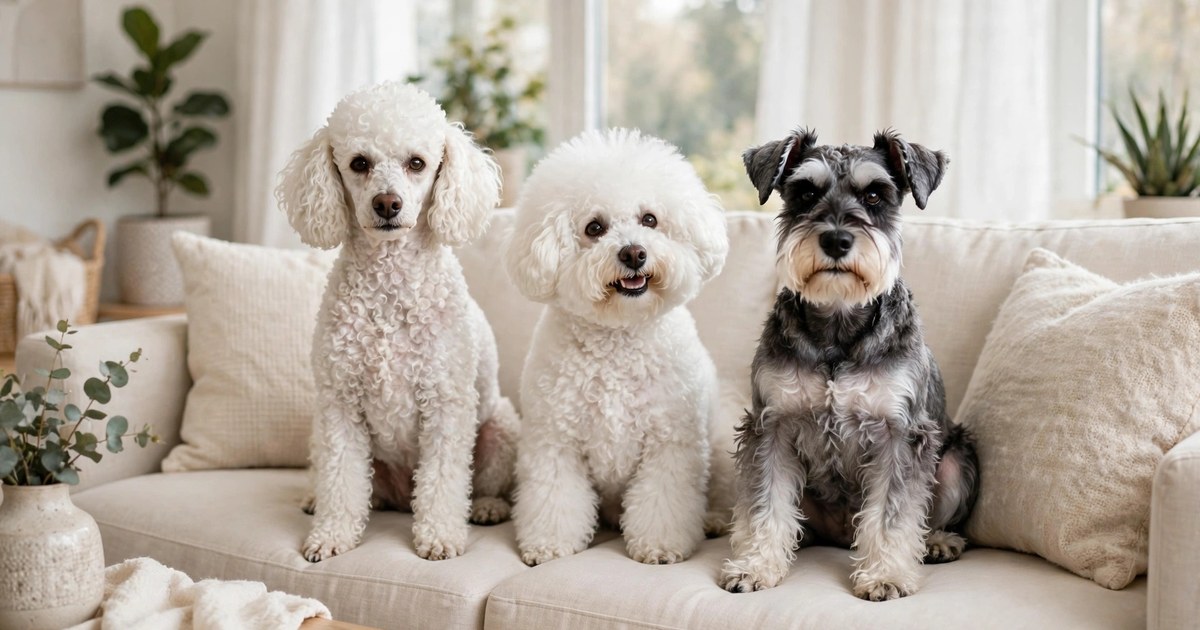
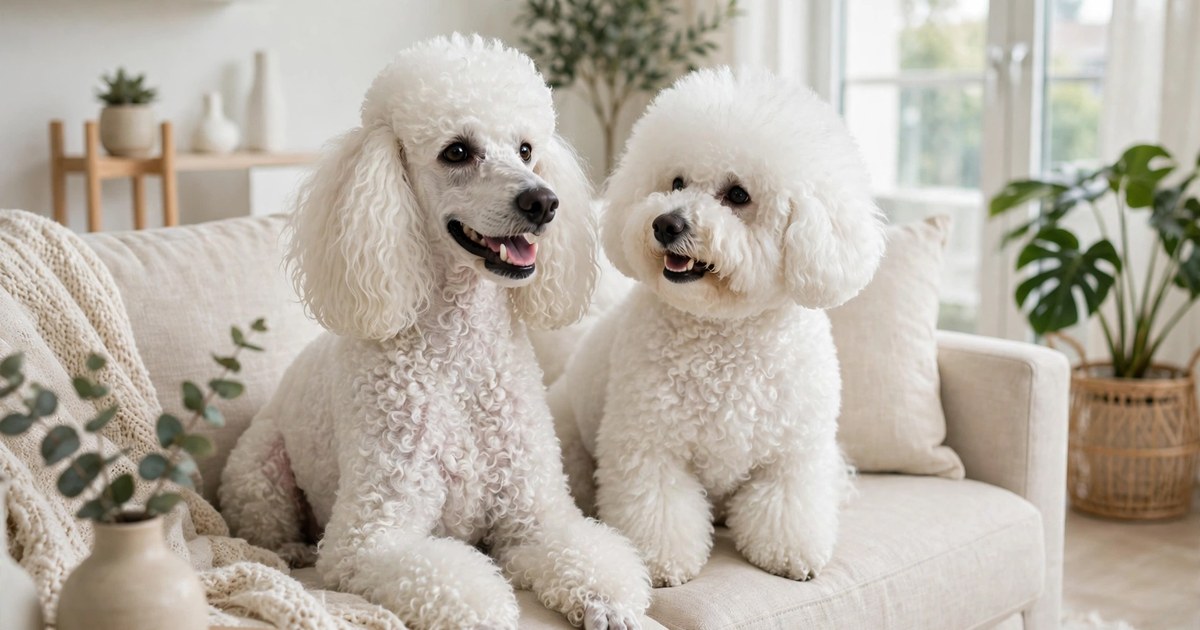
The Poodle is the breed allergy experts recommend first, and it comes in three sizes: Toy (about 4–6 lb), Miniature (about 10–15 lb), and Standard (about 40–70 lb). Its dense, curly coat traps loose hair and dander instead of dropping it around the house. The trade-off is grooming: a Poodle needs brushing several times a week and a professional clip every 6–8 weeks. Poodles are also among the smartest, most trainable breeds — a good fit for first-time owners who can commit to the grooming routine.
2. Bichon Frise
Cheerful, fluffy, and about 12–18 lb, the Bichon Frise has a soft, curly double coat that sheds very little because loose hair gets caught in the outer curls. Bichons are famously friendly with children and other pets, and they adapt well to apartments. Grooming load is high: daily brushing and a clip every 4–6 weeks keep the coat from matting. If you want a small, happy companion and do not mind the grooming bill, the Bichon is hard to beat.
3. Maltese
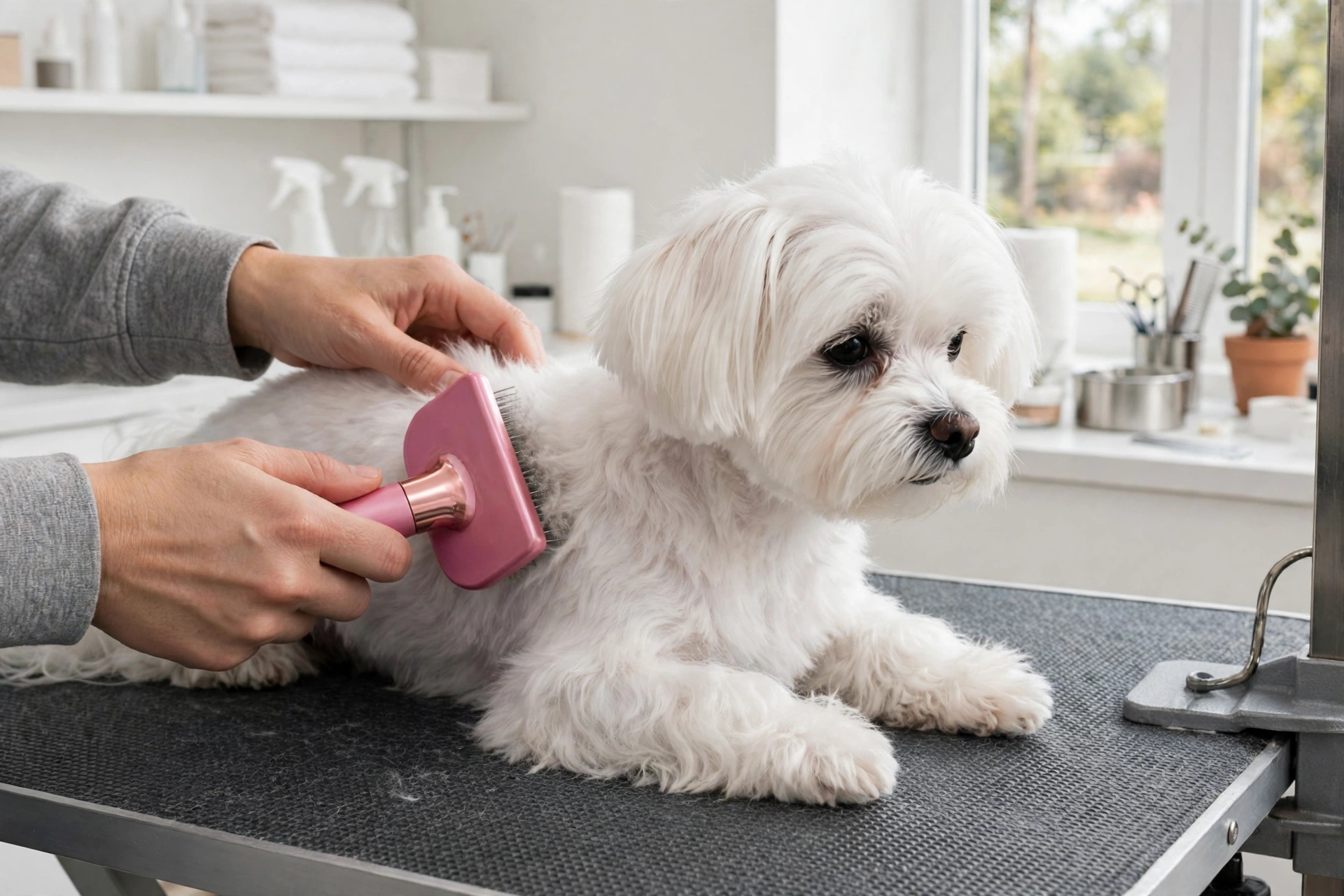
The Maltese weighs under 7 lb and has a single layer of long, silky hair — much like human hair — with no undercoat, so it sheds very little. Maltese are gentle lap dogs that bond closely with one person, and their tiny size means they produce a smaller total amount of dander than a large low-shedding breed. Daily brushing is needed to keep the long coat tangle-free, though many owners keep it in a short "puppy cut" to make life easier.
4. Miniature Schnauzer
Sturdy, alert, and about 11–20 lb, the Miniature Schnauzer has a wiry double coat that sheds minimally and traps dander well. Schnauzers are smart, spirited, and good watchdogs without being yappy, which suits apartments. Their coat needs brushing a few times a week and clipping or hand-stripping every 6–8 weeks, plus regular beard cleaning — that beard collects water and food, so a quick wipe after meals helps.
5. Portuguese Water Dog
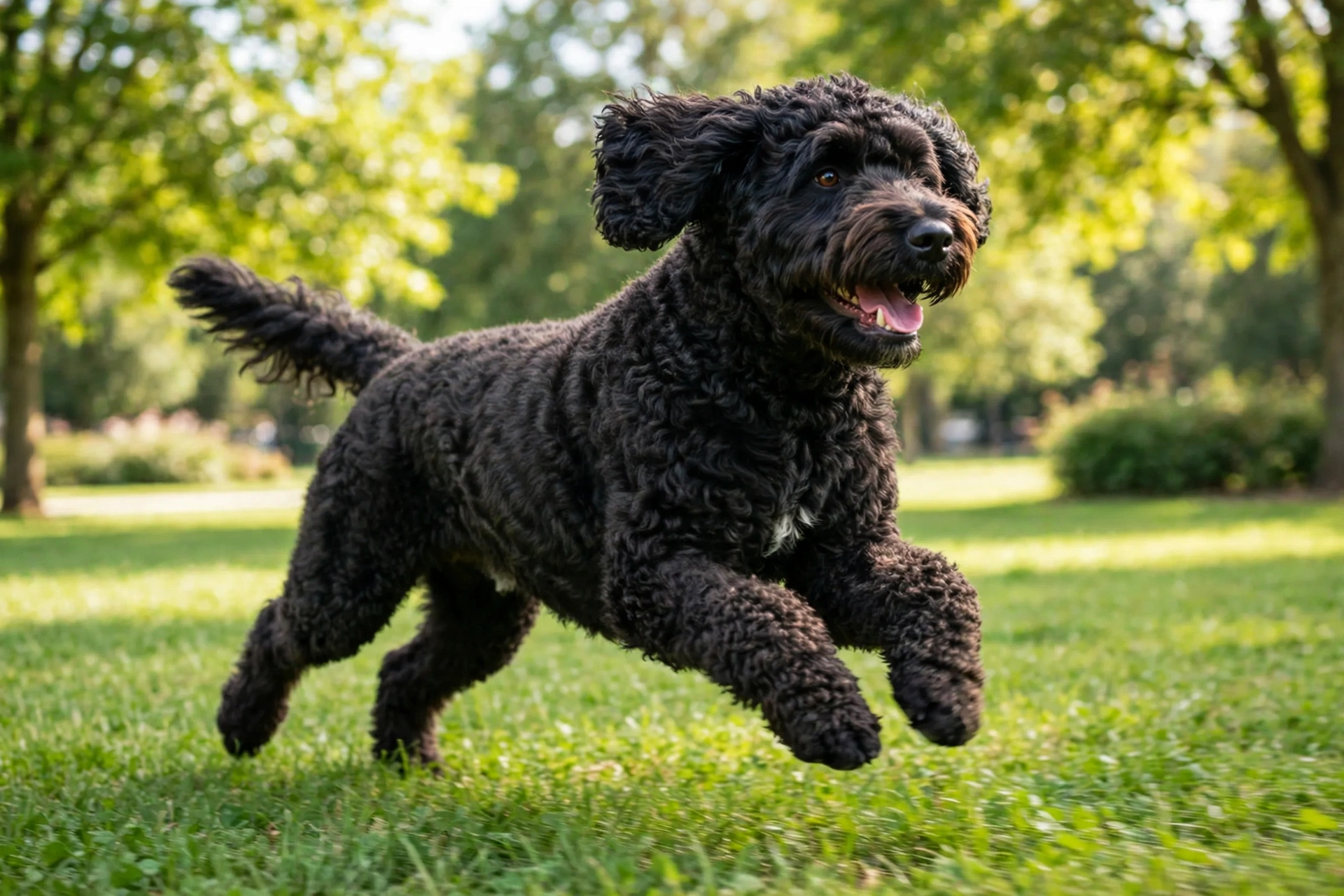
Famous as the Obama family dog, the Portuguese Water Dog weighs about 35–60 lb and has a single-layer wavy or curly coat that sheds very little. These dogs are athletic, loyal, and happiest with an active owner — plan on 60–90 minutes of exercise and play a day. Grooming is moderate to high, with regular brushing and clipping. If you want a medium-to-large allergy-friendly dog for an active household, this is the classic pick.
6. Shih Tzu
The Shih Tzu (about 9–16 lb) was bred as a companion dog, and it shows: affectionate, calm indoors, and content in an apartment. Its long, silky coat sheds very little, but it needs daily brushing and a clip every 6–8 weeks unless kept short. Shih Tzus are a strong choice for allergy sufferers who want a small, people-loving dog and can keep up with the grooming.
7. Yorkshire Terrier
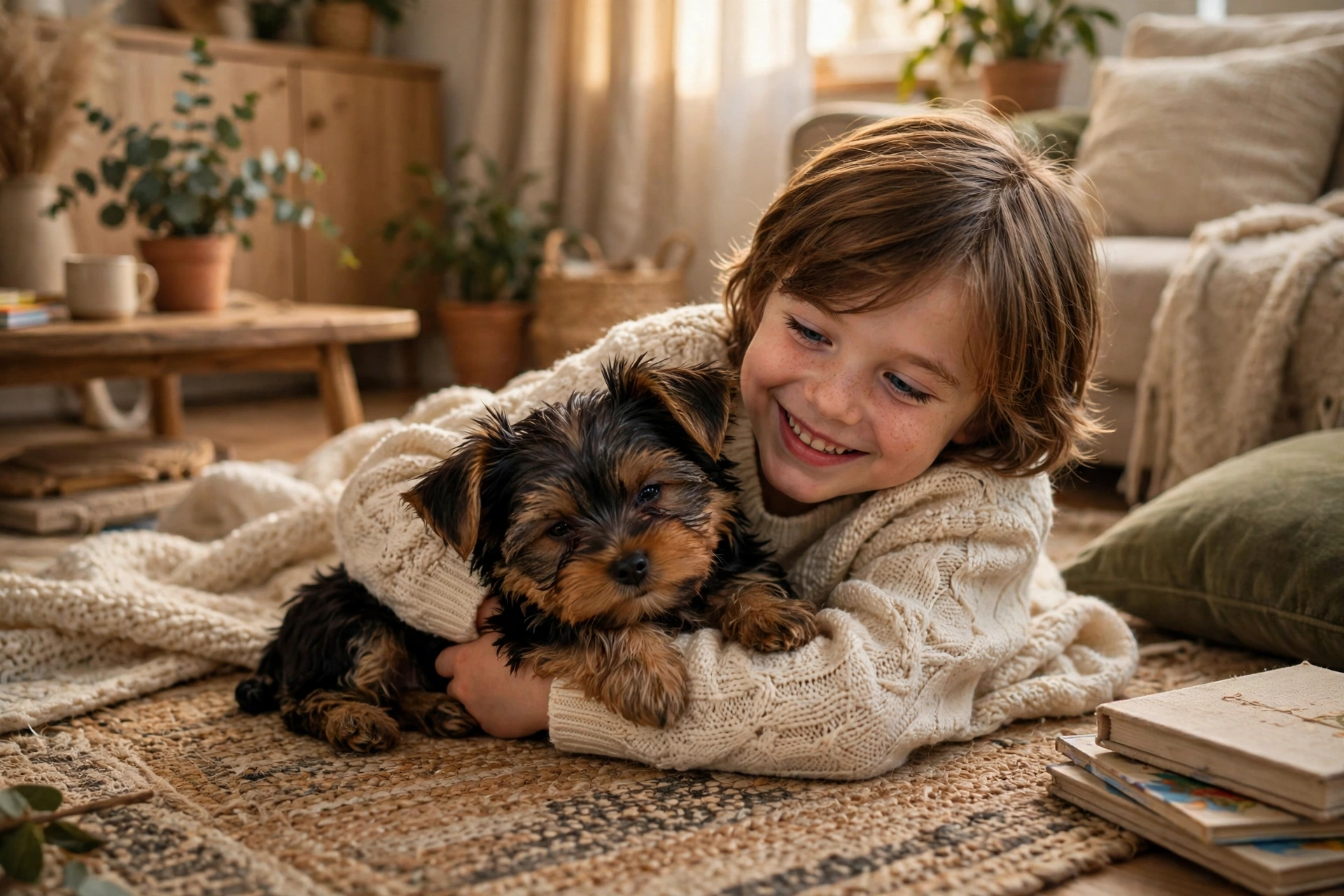
Yorkies weigh around 7 lb and have a fine, silky, single-layer coat similar to human hair, with minimal shedding. They are bold, lively, and portable — easy to take everywhere, which also makes allergy testing simple (see the test plan below). Grooming is moderate to high: daily brushing for a long coat, or a short clip for a low-maintenance routine. Yorkies suit owners who want a tiny dog with a big personality.
8. Havanese
The Havanese (about 7–13 lb) is Cuba's national dog: friendly, adaptable, and famously good with children. Its silky double coat sheds very little, and regular brushing keeps it mat-free. Havanese are quieter than many small breeds and happy in apartments, making them one of the easiest allergy-friendly breeds to live with day to day.
9. Soft-Coated Wheaten Terrier
The Wheaten Terrier weighs about 30–40 lb and has a soft, silky single coat that sheds minimally. Wheatens are cheerful, energetic, and great with kids — but they need daily exercise and regular grooming, including brushing several times a week. Choose this breed if you want a medium-sized, playful family dog and can commit to the coat care.
10. Irish Water Spaniel
The tallest of the spaniels at about 45–68 lb, the Irish Water Spaniel has a dense, curly, water-repellent double coat that sheds very little. These dogs are playful, intelligent, and need plenty of activity, so they suit active owners with a yard or a running habit. Grooming load is high: the curls need regular brushing and clipping to stay mat-free.
11. American Hairless Terrier
With no coat at all, the American Hairless Terrier (about 12–16 lb) has one of the lowest shedding levels of any breed — there is simply nothing to shed. These dogs are energetic, good with children, and comfortable in apartments. Instead of coat grooming, they need skin care: regular baths, a wipe-down after outdoor play, and sunscreen on sunny days, since bare skin burns easily.
12. Xoloitzcuintli (Mexican Hairless Dog)
The Xolo (pronounced "show-low") comes in toy, miniature, and standard sizes, from about 10 lb to 50 lb, in hairless and short-coated varieties. The hairless type sheds almost nothing, while the coated type still sheds very little. Xolos are calm, loyal, and clean — a good match for quiet households. Like other hairless breeds, they need skin care and protection from sun and cold.
At a Glance: Compare the 12 Breeds
| Breed | Adult Weight | Coat Type | Grooming Load | Best For |
|---|---|---|---|---|
| Poodle | 4–70 lb (3 sizes) | Curly, non-shedding | High | First-time owners, any home size |
| Bichon Frise | 12–18 lb | Curly double | High | Families, apartments |
| Maltese | Under 7 lb | Silky single | High | Lap-dog lovers, small homes |
| Miniature Schnauzer | 11–20 lb | Wiry double | Moderate–High | Watchful apartment dogs |
| Portuguese Water Dog | 35–60 lb | Wavy/curly single | Moderate–High | Active households |
| Shih Tzu | 9–16 lb | Long silky | High | Calm companion dogs |
| Yorkshire Terrier | About 7 lb | Silky single | Moderate–High | Tiny-dog lovers, travel |
| Havanese | 7–13 lb | Silky double | Moderate | Families with kids |
| Soft-Coated Wheaten Terrier | 30–40 lb | Silky single | High | Playful family dogs |
| Irish Water Spaniel | 45–68 lb | Dense curly double | High | Active owners with space |
| American Hairless Terrier | 12–16 lb | None (hairless) | Low (skin care) | Lowest-shedding option |
| Xoloitzcuintli | 10–50 lb (3 sizes) | Hairless or short | Low–Moderate | Quiet households |
How to Test Your Allergy Before You Commit
A breed list can only take you so far — allergy response varies from dog to dog, not just breed to breed. Run this five-step test before you adopt or buy:
- Visit the breed in person. Spend at least an hour with the specific dog you are considering — at a breeder, a shelter, or a friend's home. Sit close, pet the dog, and handle its bedding if you can.
- Wait 24 hours. Reactions can show up hours later. Note any sneezing, itchy eyes, or skin irritation the next day, and be honest with yourself about it.
- Repeat the visit. One good hour is not proof. Visit the same dog two or three times on different days before deciding.
- Ask about the dog's grooming routine. A freshly bathed and brushed dog carries less loose dander than one that has not been groomed in weeks. Test the dog as it will actually live in your home.
- Arrange a trial stay if possible. Many rescues and some breeders allow a short foster or trial weekend. A few days in your own home is the only test that truly answers the question.
If symptoms appear during testing, do not assume a different breed on this list will fix it — repeat the test with that breed too. And if your allergies are severe or involve breathing difficulty, get your doctor's advice before any trial. For background on how dog allergies work, see VCA Hospitals' guide to allergies in dogs.
7 Everyday Habits That Keep Allergens Down
The breed is only half the story. These seven habits do as much for your allergies as choosing a low-shedding dog:
- Brush outdoors. Brush your dog outside a few times a week so loose hair and dander never enter the house.
- Bathe on a schedule. A bath every 2–4 weeks washes dander off the coat and skin. Use a gentle, dog-specific shampoo.
- Wash bedding weekly. Your dog's bed, blankets, and any soft toys collect dander fast — hot-water washing keeps the load down.
- Keep the bedroom dog-free. Eight hours a night in a dander-free room makes a real difference to how you feel each morning.
- Vacuum with a HEPA filter. Vacuum floors and sofas two or three times a week, and empty the canister outside.
- Wipe paws and coat after walks. A damp cloth removes pollen and outdoor dust the dog would otherwise carry inside.
- Wash your hands after play. Simple, quick, and surprisingly effective — especially before touching your face or eyes.
Frequently Asked Questions
Are hypoallergenic dogs really allergy-free?
No. No dog is 100% allergy-free, because all dogs produce the Can f 1 protein in dander and saliva. Hypoallergenic breeds shed less, so they spread less dander around your home — which is why many allergy sufferers do well with them, especially combined with regular grooming and the habits above.
Which hypoallergenic dog is best for apartments?
The Bichon Frise, Maltese, Havanese, and Yorkshire Terrier are the strongest apartment picks: small, quiet, low-shedding, and happy without a yard. The Miniature Schnauzer also works well if you can give it daily walks. For more apartment-friendly options, see our guide to the best low-maintenance dog breeds.
Are doodle mixes like Goldendoodles hypoallergenic?
Not reliably. Doodle mixes inherit a mix of both parents' coats, so one Goldendoodle may shed very little while its littermate sheds heavily. If allergies are your main concern, a purebred low-shedding breed with a predictable coat is a safer bet than a mix — and always test with the individual dog first.
How much does grooming a hypoallergenic dog cost?
Expect a professional groom every 6–8 weeks for most breeds on this list, plus brushing at home several times a week. Grooming is the real price of a low-shedding coat: budget for it before you choose, and treat it as part of the breed's cost, not an optional extra.
Can I adopt a hypoallergenic dog from a shelter?
Yes — Poodles, Shih Tzus, Schnauzers, and their mixes turn up in shelters and breed-specific rescues regularly. A rescue is also the easiest place to arrange a trial stay, which is the best allergy test available. Ask the shelter about the dog's coat, grooming needs, and temperament before you commit.
What is the best hypoallergenic dog for kids?
The Bichon Frise, Havanese, and Soft-Coated Wheaten Terrier are the usual favourites: friendly, sturdy enough for family life, and low-shedding. See our best dog breeds for families with kids guide for the full family-friendly shortlist.
Conclusion
The best hypoallergenic dog breed is the one that fits your allergies, your home, and your grooming budget all at once. For most people that means a Poodle, Bichon Frise, or Maltese — but the breed is only the starting point. Test with the real dog, keep up the grooming, and follow the seven habits above, and a low-shedding companion can be a comfortable part of your life for years.
Once you have picked your breed, find out how old your new friend is in human years with our Dog Age Calculator — and if you want more help choosing, explore the rest of our dog and cat tools and guides on CalcPet. For day-to-day care basics, the ASPCA's dog care guide is a solid starting point for any new owner.