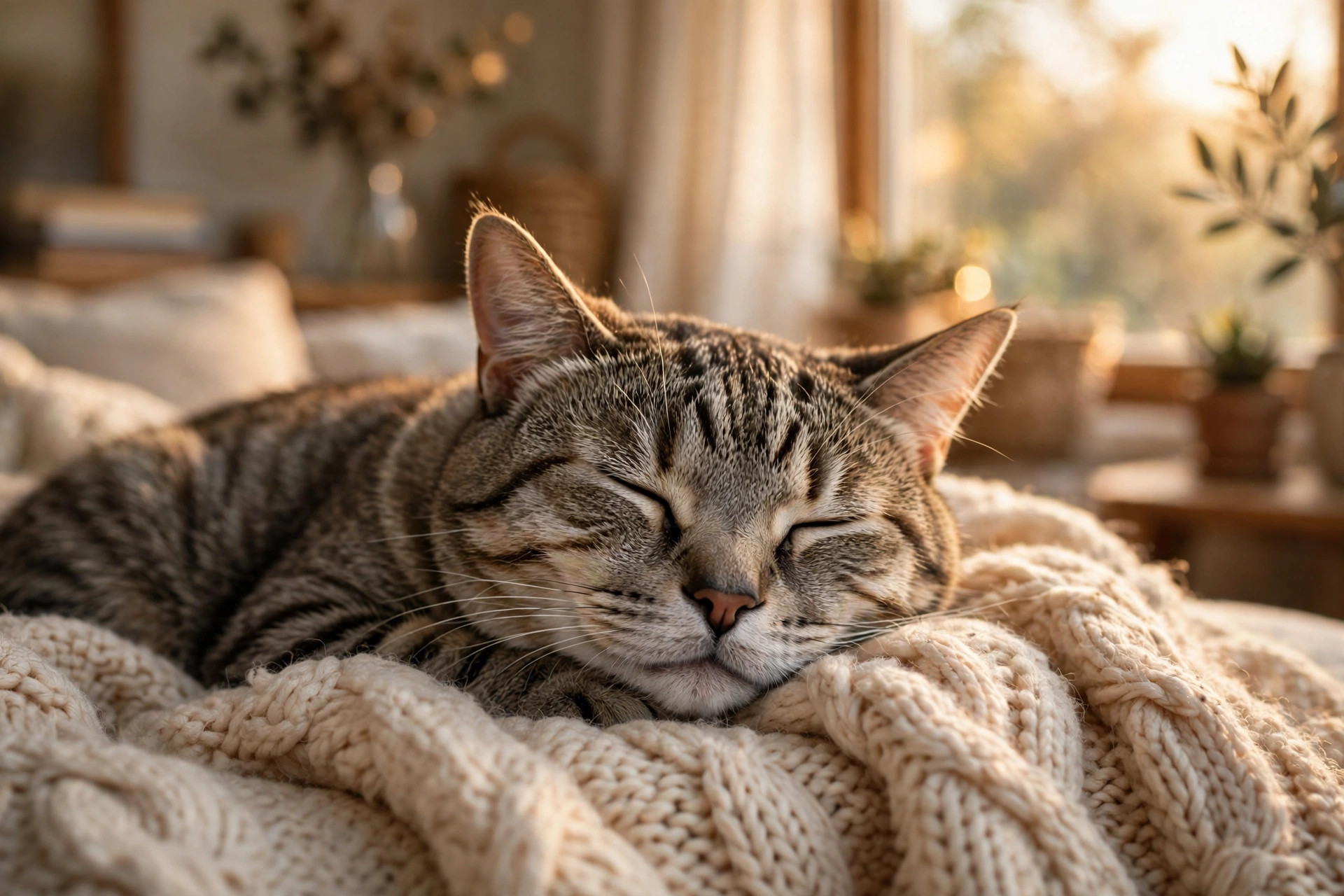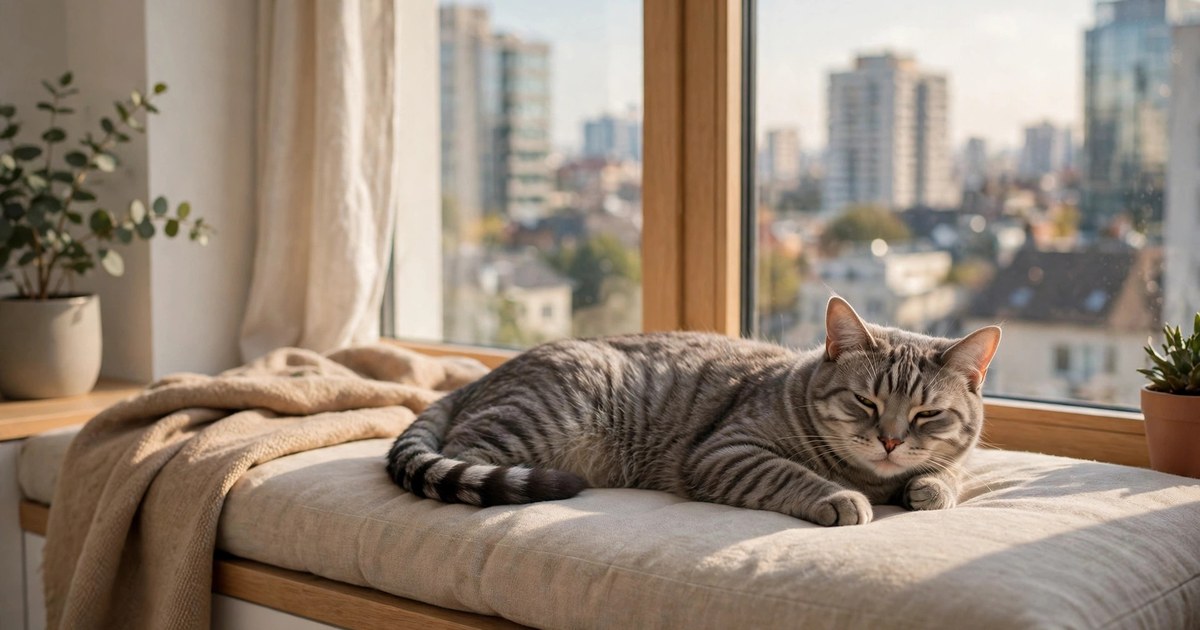
Living in an apartment doesn't mean you can't enjoy the company of a cat — it just means choosing the right breed and setting up your space the smart way. The best cat breeds for apartments are quiet, calm, and happy to trade square footage for window views, vertical space, and plenty of lap time.
In this guide, you'll get a hand-picked list of 12 breeds that genuinely thrive in small spaces, the traits that make a cat apartment-friendly, and a practical setup plan for your place. Let's find your perfect apartment companion.
What Makes a Cat Breed Apartment-Friendly?
Not every cat cares about space, but some traits matter a lot more in an apartment. Here's what to look for:
- Quiet temperament: Thin walls and close neighbors mean a calm, low-vocalization cat is worth its weight in gold. Breeds known for soft voices or little meowing score high here.
- Moderate energy: A cat that enjoys play sessions but also happily naps for hours adapts far better to limited space than a breed that needs constant action.
- Comfort with solitude: If you work outside the home, an independent breed that tolerates alone time (with enrichment, of course) is the safer pick.
- Clean habits and easy grooming: Small spaces amplify odors and shedding. Low-shed or easy-groom coats and tidy litter habits make apartment life smoother.
- Adaptability: Some breeds settle into new homes fast; others stress with change. For renters who may move, adaptability is a big plus.
One honest caveat: every cat is an individual. Breed traits are a strong starting point, but a rescue cat's personality can beat a pedigree pick every time — ask the shelter about each cat's actual behavior. For official breed standards and temperament descriptions, the Cat Fanciers' Association is a reliable starting point.
The 12 Best Cat Breeds for Apartments in 2026
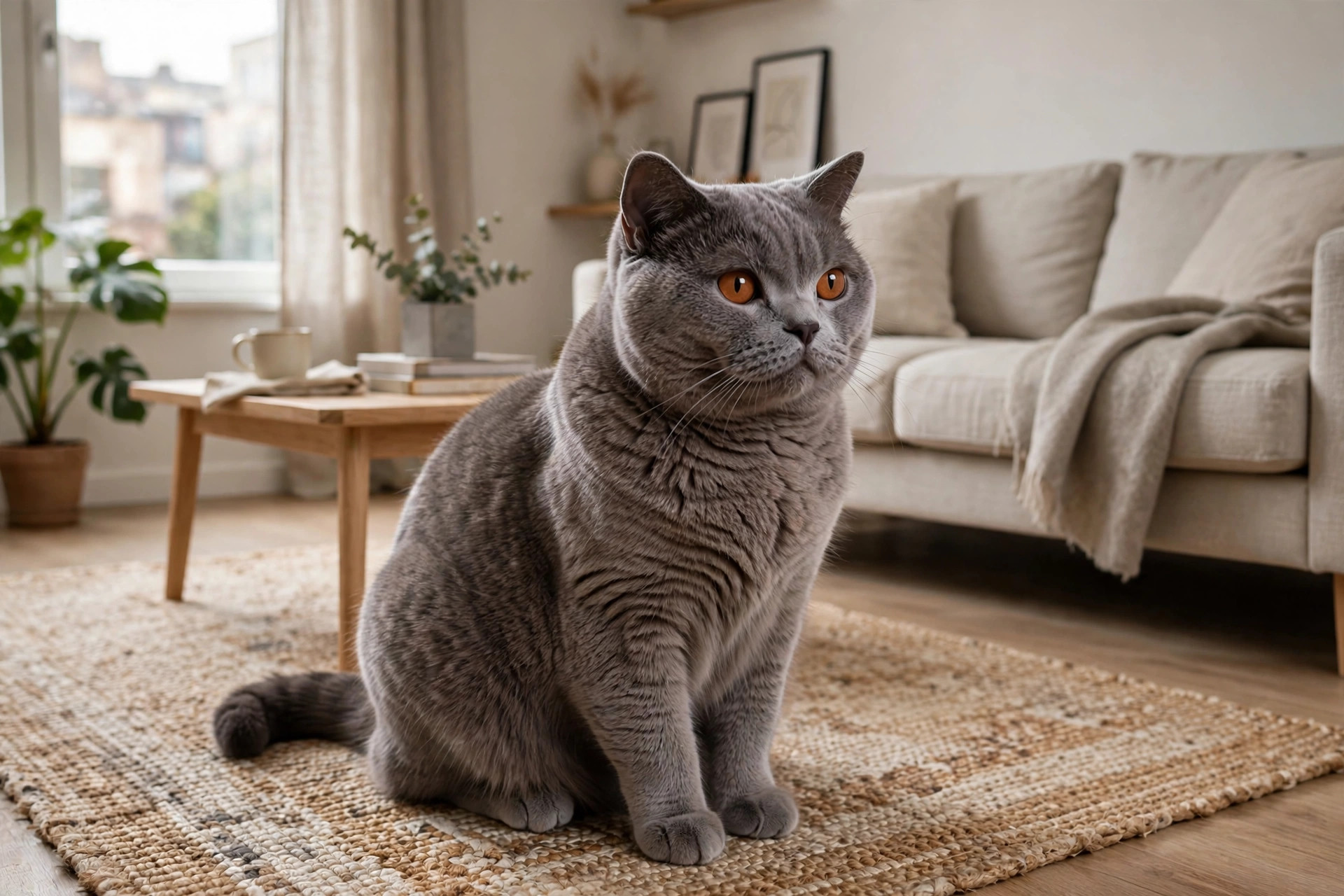
1. British Shorthair — The Calm Roommate
The British Shorthair is practically designed for apartment living: quiet, dignified, and content to sit nearby rather than demand constant attention. These sturdy cats rarely vocalize, keep a regular routine, and are famous for handling alone time gracefully. Their dense, plush coat needs just a weekly brush. If you want a cat that respects your personal space while still being present, start here.
2. Russian Blue — The Quiet Gentleman
Shy with strangers but devoted to their person, the Russian Blue is one of the quietest breeds you can own — many owners joke they never hear a peep. They're neat, low-shed, and fastidious about the litter box, which matters when the box is twenty feet from your sofa. They're ideal for single-person apartments with a steady routine.
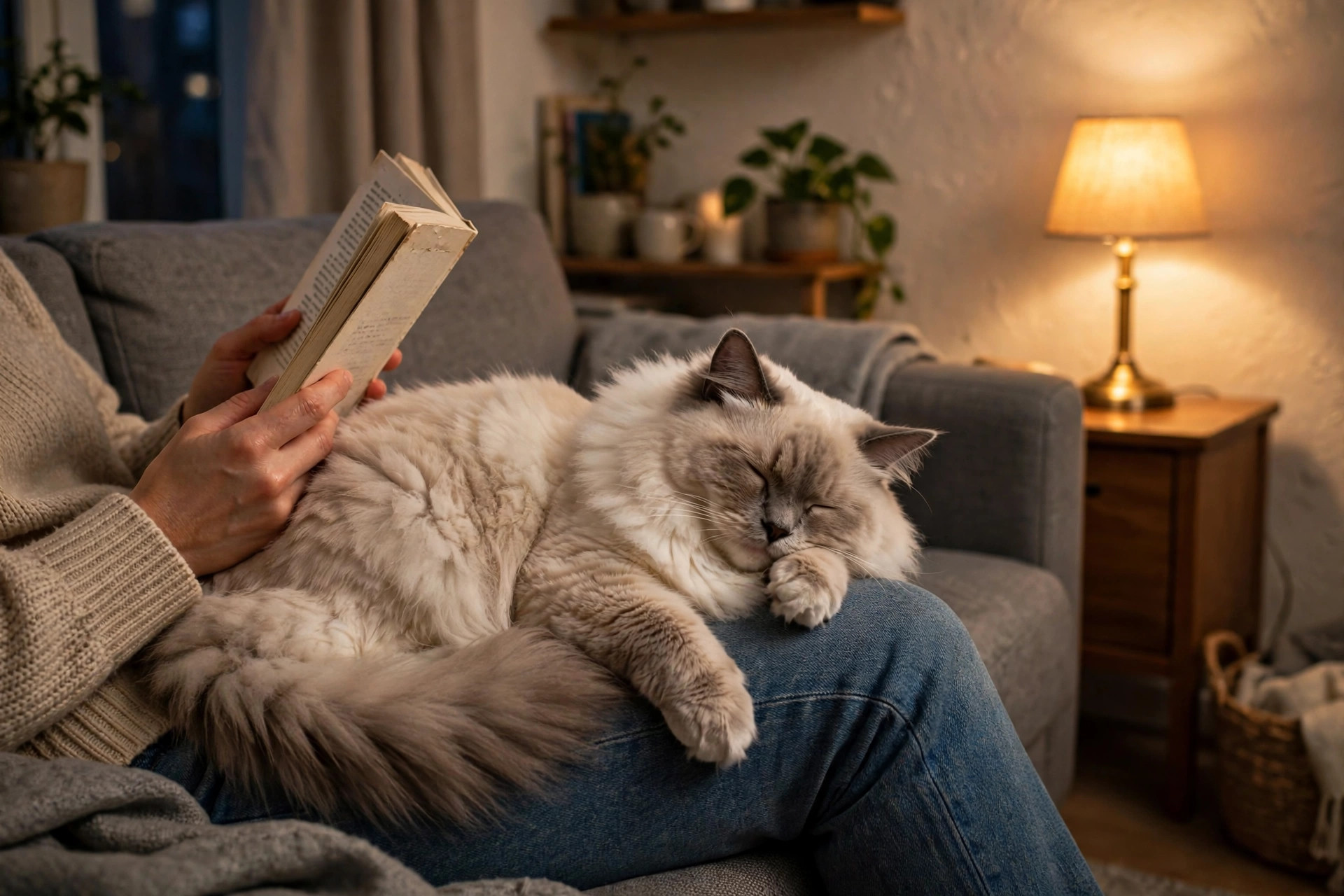
3. Ragdoll — The Gentle Giant
Ragdolls famously go limp and relaxed in your arms, and their temperament matches the name: gentle, social, and calm. They're larger cats, but their low-key energy means they don't need a mansion — just a warm lap and a sunny window. They do crave human company, so they suit work-from-home owners or homes with another friendly pet.
4. Persian — The Apartment Royal
Persians are the classic low-activity lap cat. They move at their own pace, prefer lounging to leaping, and their quiet nature makes them excellent neighbors. The trade-off is grooming: that luxurious coat needs daily attention. For an apartment dweller who enjoys a grooming ritual, a Persian is a serene, low-drama companion.
5. Scottish Fold — The Adaptable Owl-Eyed Friend
Scottish Folds are quiet, adaptable, and famously comfortable in new environments — handy if you rent and might move. They bond closely with their families, enjoy sitting near you, and have soft voices. Note: the breed's folded-ear look comes with real health concerns in breeding, so choose a responsible, transparent breeder or consider a rescue mix.
6. Exotic Shorthair — All the Persian Charm, Half the Grooming
Love the Persian's laid-back personality but not the daily brushing? The Exotic Shorthair is the answer. Same sweet, calm temperament in a plush short coat that's far easier to maintain. They're quiet, affectionate, and perfectly content in compact homes.
7. Maine Coon — The Big Softie
Surprised to see a giant on this list? Maine Coons are large but famously gentle, sociable, and easygoing. Their mellow temperament and dog-like loyalty make them wonderful indoor companions. They do appreciate vertical space and a window perch, so plan your layout accordingly. Long coat = regular brushing, but their personality more than pays for it.
8. Siamese — The Social Butterfly (Know Yourself First)
Here's the honest inclusion: Siamese cats thrive indoors and bond deeply, but they are famously vocal. If your apartment has thin walls or you value silence, this is not your breed. But if you're home often, want an interactive companion, and don't mind conversation, a Siamese will fill your apartment with personality.
9. Burmese — The People Cat
Burmese cats are social, playful, and affectionate without being hyperactive. They adapt well to indoor life, learn routines quickly, and their short, silky coat is low-maintenance. They prefer company, so they're a great match for owners who are home a lot or who can provide a second pet for company.
10. American Shorthair — The Easygoing All-Rounder
The American Shorthair is the dependable family car of cat breeds: sturdy, healthy, easygoing, and adaptable to almost any home. They're quiet, enjoy both play and naps, and their easy-care coat makes them perfect for first-time apartment owners who want a no-fuss companion.
11. Birman — The Calm Companion
Birmans combine the Ragdoll's gentleness with a slightly more independent streak. They're quiet, social, and patient — wonderful with children and other pets. Their silky coat resists matting better than you'd expect, and they handle apartment life with quiet grace.
12. Chartreux — The Quiet French Classic
This French breed is known for its silence — Chartreux cats are famously non-vocal, communicating with soft chirps if at all. They're calm, adaptable, and content to observe from a favorite perch. For thin-walled apartments, they're one of the safest picks on this entire list.
How to Set Up Your Apartment for a Cat
Even the calmest breed needs a well-planned small space. This simple setup plan covers the essentials:
Go vertical
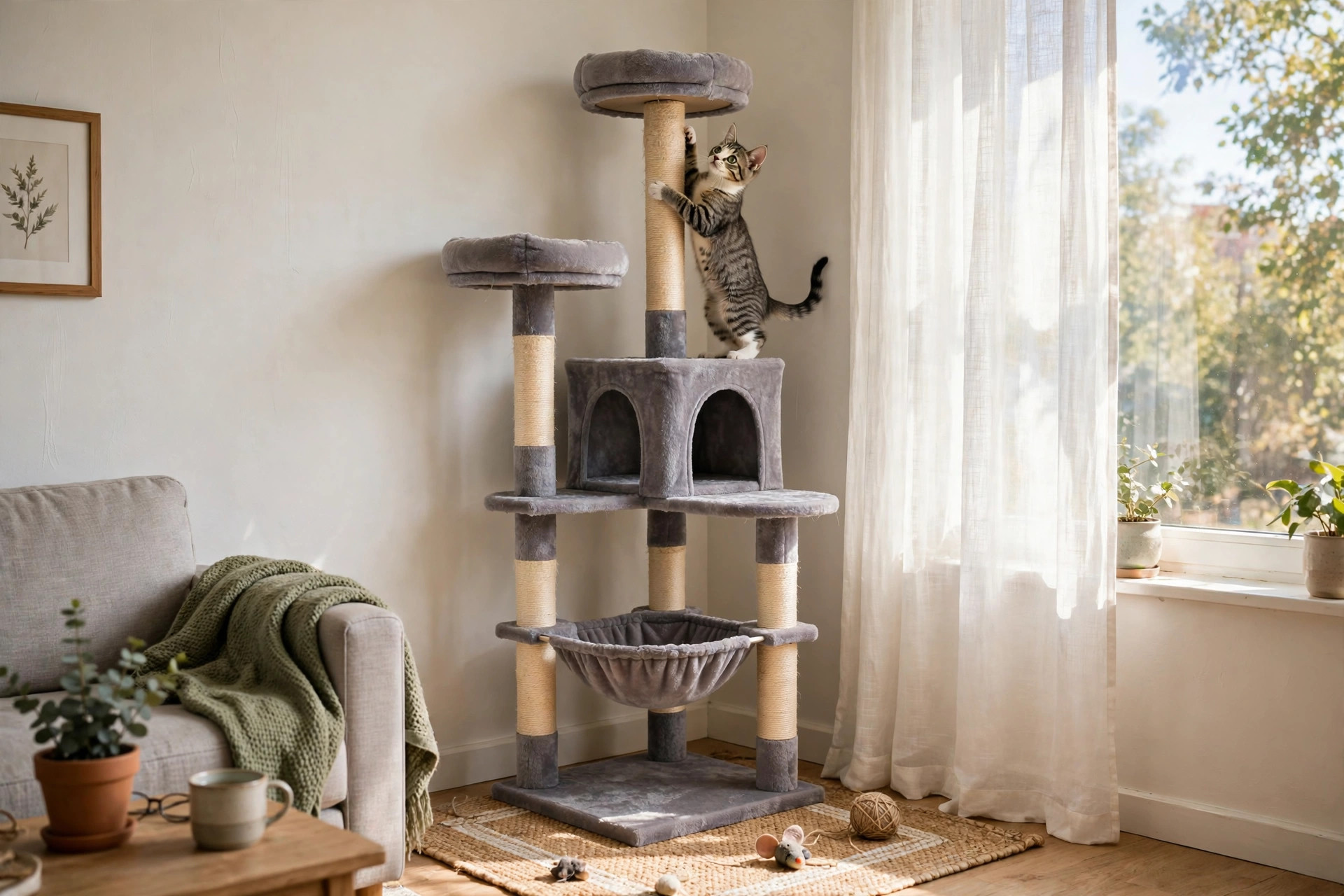
Cats think in three dimensions. A tall cat tree, wall-mounted shelves, or even a cleared bookshelf top multiplies your cat's usable territory without taking floor space. Place one perch near a window — "cat TV" beats any toy.
Place the litter box smartly
One box per cat, plus one extra, is the standard rule. In apartments, scoop daily and choose a low-tracking litter to keep small spaces fresh. A covered box or a hidden litter cabinet keeps things discreet. The ASPCA's cat care guide has practical advice on litter box setup and placement.
Create a routine, not just toys
Two short interactive play sessions a day (10–15 minutes with a wand toy) do more for a cat's happiness than a pile of forgotten toys. Rotate toys weekly to keep them interesting.
Make windows cat-friendly
A secure window perch, a bird feeder outside, or even a safely screened open window gives apartment cats the mental stimulation they'd get outdoors. Never rely on a regular window screen — use a secured pet screen or a proper cat window hammock.
Want a room-by-room plan? Our pet-proofing checklist tool walks you through making every corner of your home cat-safe.
Apartment Cat FAQs
Are cats happier in apartments or houses?
Cats don't measure happiness in square feet. A small apartment with vertical space, window views, daily play, and human company beats a large house where the cat is ignored. Indoor cats of any home size do well when their enrichment needs are met.
Which cat breed is the quietest for thin-walled apartments?
The Chartreux, Russian Blue, British Shorthair, and Scottish Fold are among the quietest breeds. Individual cats vary, but these breeds consistently top "quiet cat" lists. If noise is your main worry, also consider an adult rescue cat whose vocalization level is already known.
Can I keep a cat in a studio apartment?
Absolutely — studios are very cat-friendly since the cat can always see you. The keys are vertical space (a tall tree or shelves), a well-placed litter box with daily scooping, and a window perch. Many cats prefer studios to big empty houses.
Should I get one cat or two in an apartment?
Bonded pairs do wonderfully in apartments — they entertain each other when you're out, and they take up barely more space than one. For social breeds like Ragdolls, Burmese, or Siamese, a second cat can genuinely improve their quality of life. Check your lease's pet limit first.
How much does it cost to keep a cat in an apartment?
Beyond adoption fees, budget for litter, food, a litter box, scratching posts, and routine vet care. Use our cat cost calculator to estimate your monthly and first-year costs based on your situation — it takes under a minute.
Conclusion: Pick for Personality, Not Just Looks
The best cat breeds for apartments — from the silent Chartreux to the gentle Ragdoll to the dependable American Shorthair — all share the traits that matter in small spaces: calm temperaments, quiet voices, and contentment with cozy routines. Match the breed to your lifestyle, set up your space with vertical territory and smart routines, and your apartment will feel like plenty of room. For deeper reading on feline behavior and care, Cornell University College of Veterinary Medicine publishes excellent owner resources.
Still deciding? Take our cat breed quiz — answer a few questions about your home, schedule, and personality, and get a personalized breed match in under two minutes. And once you've picked a breed, our cat name generator can help you find the perfect name to go with it.