Bringing a dog home is one of the best decisions you will ever make — and one of the most underestimated expenses. Most new owners budget for the adoption fee or breeder price, plus a bag of food, then wonder where the rest went. Year one is the most expensive year of dog ownership, because everything arrives at once: the dog, the setup gear, the first vet visits, and training.
This guide gives you the real 2026 numbers, in US dollars. The ASPCA's first-year estimates run $1,391 to $4,843 by size, and Rover's True Cost of Pet Parenthood report puts a new dog's first year at $1,150 to $4,420. Your total will land somewhere in that range — decided mainly by how you get your dog, how big your dog is, and where you live.
The Short Answer: What Does the First Year Really Cost?
For a typical adopted dog with mid-range supplies, plan on $1,500 to $3,000 for the first year, excluding any major emergency. A small adopted dog on a lean budget can come in near $1,400. A large breeder puppy with classes and premium food can reach $3,500 to $5,000.
Here is the full first-year picture at a glance:
| Category | Typical 2026 range | Notes |
|---|---|---|
| Adoption or purchase | $50–$3,000+ | Shelter at the low end, breeder at the high end |
| First-year vet visits and procedures | $300–$800 | Exams, initial care, spay/neuter if not included |
| Setup gear | $200–$550 | Crate, bed, bowls, leash, toys, gates |
| Food and treats | $300–$1,200 | Size is the biggest driver |
| Training | $150–$500 | One group course at the low end |
| Grooming | $100–$500 | Coat type decides this |
| Insurance or emergency fund | $200–$700 | Monthly premiums or a dedicated savings pot |
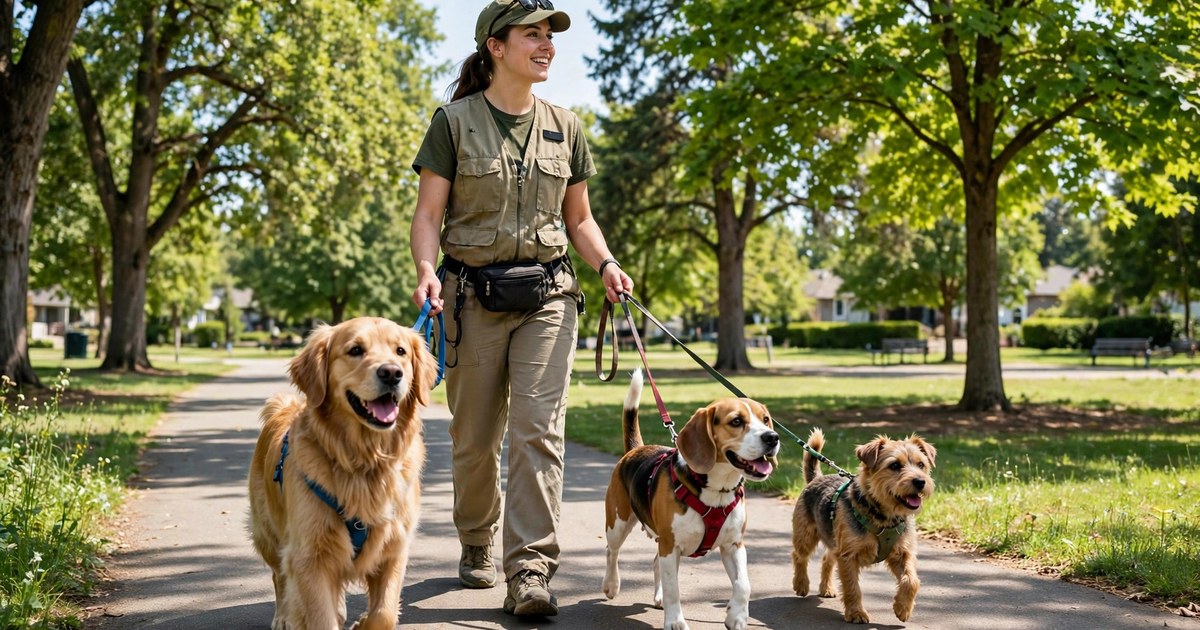
| Boarding, sitting, and walking | $0–$800 | Only if you travel or work long days |
| Licence, ID, and microchip | $35–$140 | Varies by city and county |
Add the middle of each range and you land near $2,600 for a medium dog. Now let us break each line down.
One-Time Costs: Getting Your Dog Home
This is the single widest variable in year one, decided before you ever buy a bag of food.
Shelter adoption: $50–$300
Most shelter adoption fees fall between $50 and $300, and the fee often already covers initial vaccinations, spay/neuter, and a microchip. That bundling is why adoption is usually the cheapest route overall. Puppies and popular breeds sit at the higher end; adult and senior dogs are often less.
Breeder purchase: $500–$3,000+
A puppy from a responsible breeder commonly costs $500 to over $2,000, and popular or rare breeds can run $3,000 or more. That price usually does not include the vet work an adoption fee bundles in, so you pay for those visits on top. The American Kennel Club's guide to the lifetime cost of owning a dog is a useful reality check: the purchase price is only the first line of a longer bill.
Whichever route you choose, ask in writing exactly what is included — vaccinations given, spay/neuter status, and microchip registration. Paying twice for something you assumed was included is a common first-year budget leak.
Setup Gear: What You Actually Need on Day One
You do not need every gadget in the pet store — just the basics, ready before pickup day.
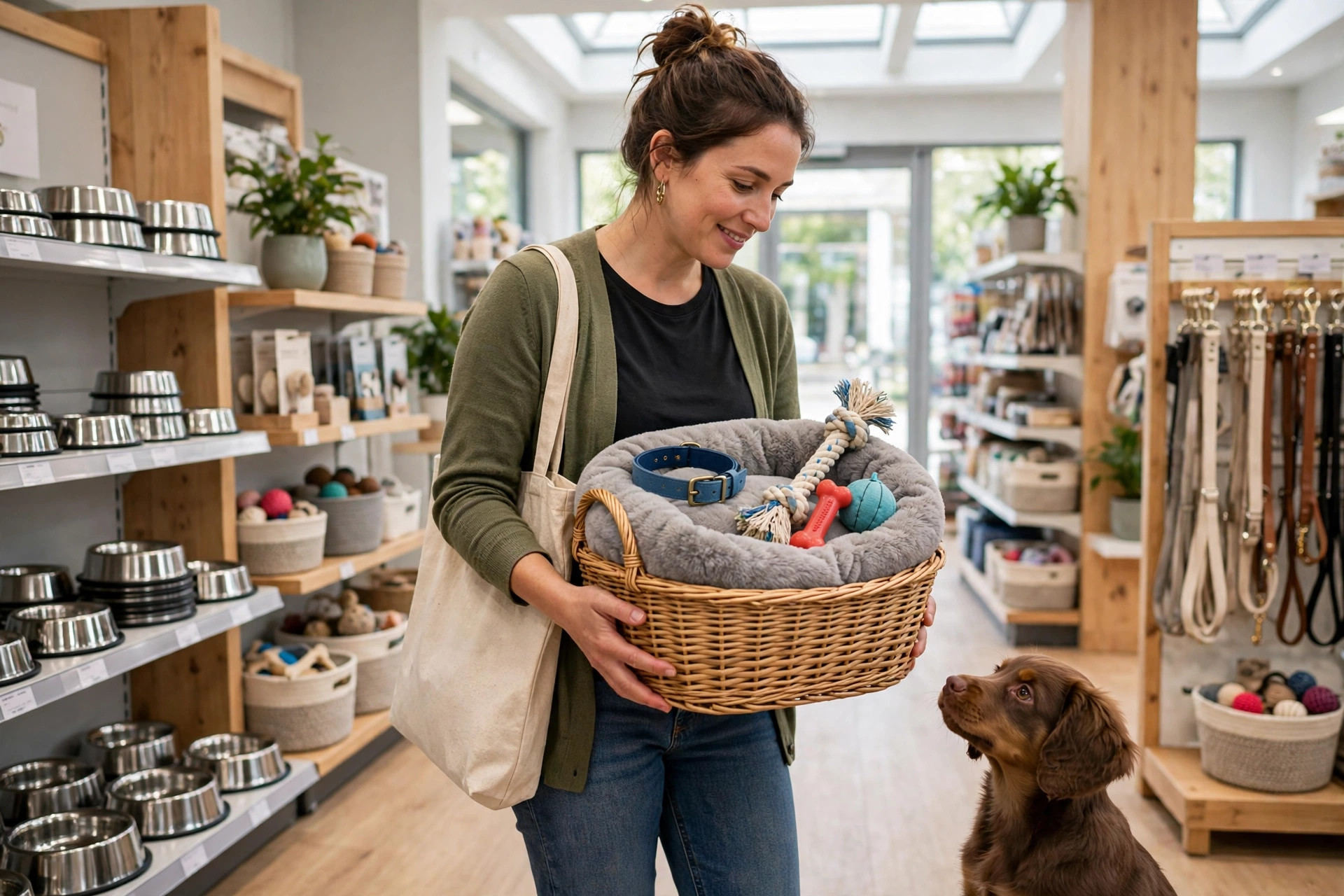
- Crate with a divider: $60–$220. Buy the adult size with a divider panel so you only buy once as a puppy grows.
- Bed and blankets: $30–$150. Start washable and replaceable — puppies chew, and accidents happen.
- Bowls: $15–$40. Stainless steel is the durable, easy-to-clean default.
- Collar, leash, harness, and ID tag: $25–$80.
- Toys and chews: $30–$120 for a starter rotation.
- Baby gates or a playpen: $25–$180, useful for house training and safe zones.
- Cleaning supplies: $30–$90, including an enzymatic cleaner for accidents.
- Carrier: $30–$80.
Realistic setup total: $200–$550, with large dogs at the top end because crates, beds, and carriers all scale with size. The ASPCA's general pet care guidance is a good companion read while you build your shopping list.
First-Year Vet Visits and Procedures
Year one means more vet visits than any later year — typically three or four for a puppy in the first months. Budget $300–$700 for exams and initial care, plus $200–$500 for spay/neuter if it is not already included in an adoption fee. A microchip, if not included, typically adds $25–$60, and a local licence adds $15–$80 depending on your city.
Keep every record in one folder — vaccination records, microchip number, and procedure certificates — because boarding, daycare, and grooming services will ask for them. VCA's guide to preparing for a new puppy walks through the home setup and early care steps in plain language.
Recurring Costs in Year One
Food and treats: $300–$1,200
Food is the largest recurring line, and size decides it. A small dog may cost $25–$40 a month, while a large dog can run $60–$100 or more. Treats add $10–$25 a month, especially during training. Bulk and autoship discounts help, but only if the food suits your dog.
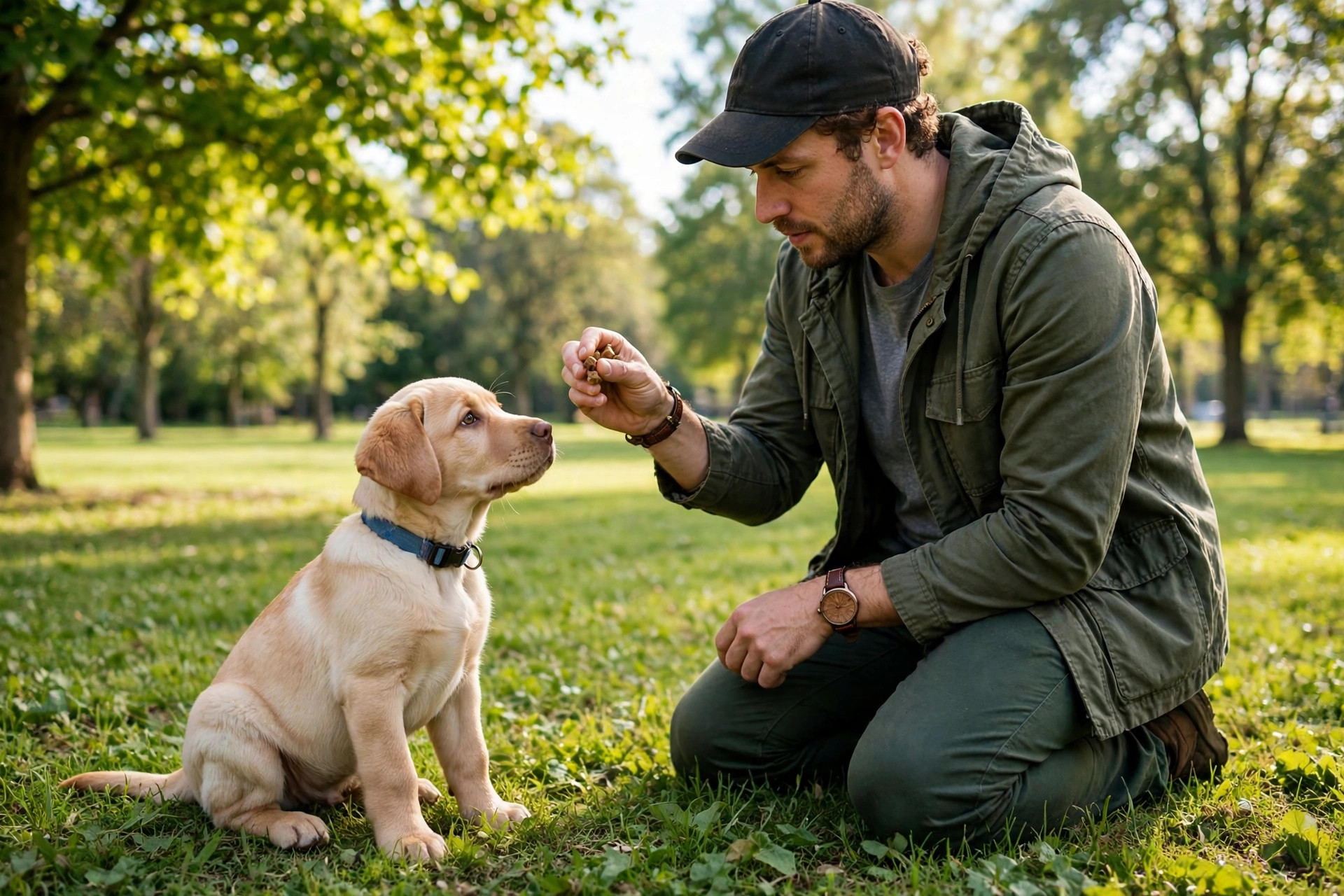
Training: $150–$500
One group puppy course typically costs $150–$300. Private sessions run $75–$150 an hour and are best reserved for a specific problem. Skipping training is a false economy: behaviour problems are a leading reason dogs are surrendered, and fixing a habit later costs far more than teaching it right the first time.
Grooming: $100–$500
A short-coated dog may need little more than a brush, nail clippers, and occasional baths at home — under $100 a year in supplies. A coat needing professional grooming every six to eight weeks can cost $50–$100 a visit, reaching $400–$500 a year. Check the coat, not just the breed photos, before you commit.
Insurance or an emergency fund: $200–$700
Pet insurance for a dog commonly runs $25–$70 a month, depending on breed, age, and coverage. The alternative is a dedicated savings account you fund monthly and never raid. Year one is when the decision matters most, because cover bought while a dog is young is usually cheaper. Our comparison of pet insurance costs for dogs versus cats breaks down what to compare.
Boarding, sitting, and walking: $0–$800
If you never travel and work from home, this line can be zero. If you do travel, boarding typically costs $35–$65 a night standard and $45–$125 or more luxury, while dog walkers charge roughly $15–$30 for a 30-minute walk. One holiday trip can add $300–$600 to year one. See our dog boarding cost guide for what is usually included in that nightly rate.
Small vs Medium vs Large: Three Example First-Year Budgets
Same care standard, three very different totals — assuming shelter adoption at $250, one group training course, and mid-range supplies:
| Line item | Small dog (under 25 lb) | Medium dog (25–50 lb) | Large dog (50 lb+) |
|---|---|---|---|
| Adoption fee | $250 | $250 | $250 |
| Setup gear | $320 | $400 | $480 |
| Vet visits and procedures | $620 | $730 | $850 |
| Food and treats | $420 | $650 | $980 |
| Training (one group course) | $200 | $200 | $200 |
| Grooming | $180 | $240 | $300 |
| Insurance or emergency fund | $300 | $400 | $500 |
| Toys, treats, and replacements | $220 | $260 | $300 |
| First-year total | $2,510 | $3,130 | $3,860 |
The gap between the small and large examples is over $1,300 — before any breeder purchase price, which would add its full amount on top. Size is the most reliable cost predictor.
Hidden Costs Nobody Budgets For
- Damage and replacements: $150–$500. Chewed shoes, a rug, a phone charger, a door frame.
- Pet deposits and pet rent: $200–$500 as a deposit, plus $25–$50 a month in pet rent in many rentals. See our pet deposit and pet rent guide if you rent.
- The second crate, bed, or gate: bought when the first one is the wrong size. A divider crate avoids the most common version of this.
- Emergency care: $300–$800 for a minor issue, $1,500–$5,000 or more for surgery. This is what the insurance-or-savings line is for.
- Midday help: a walker or sitter for a long workday, easy to forget until the first week you need one.

How to Save Without Cutting Corners
Cutting costs is fine. Cutting care is not. These savings keep standards up:
- Adopt when you can. The bundled vet work in an adoption fee is often worth more than the fee itself.
- Buy quality gear once. A $60 crate with a divider beats two $35 crates bought six months apart.
- Learn basic grooming at home. Brushing, baths, and nail trims between professional visits stretch every grooming dollar.
- Use low-cost clinics where available, and keep records so you never pay twice.
- Train early, in a group. One group course in the first months prevents expensive problems later.
- Build the emergency fund first. Even $50 a month from day one beats a credit card bill after an emergency.
Frequently Asked Questions
How much does a dog cost in the first year in 2026?
Most owners spend $1,500 to $3,000 for an adopted dog in year one, and $3,500 to $5,000 for a large breeder puppy with classes and premium supplies. Published 2026 guides put the overall range at roughly $1,150 to $4,843.
Is adopting really cheaper than buying from a breeder?
Usually, yes. Shelter fees of $50–$300 often include vet work, spay/neuter, and a microchip that a breeder buyer pays for separately.
What is the biggest first-year expense after the dog itself?
Food and vet care, in that order. Food runs $300–$1,200 in year one by size, and first-year vet visits and procedures run $300–$800 before any emergency. Setup gear is third at $200–$550.
Do big dogs really cost that much more?
Yes. A large dog costs about $1,350 more than a small dog in year one at the same care standard — more food, bigger gear, and higher procedure and boarding rates.
How much should I save for emergencies in year one?
Aim for $500–$1,000 set aside, or an active insurance policy, before you need it. A small monthly transfer from day one beats a surprise bill.
Does the cost drop in year two?
Yes, usually by 30–50%. The adoption fee, setup gear, and first-year procedure costs do not repeat. Costs rise again later in life — our senior dog care cost guide covers those years.
Conclusion
The first year with a dog is not cheap, but it is predictable once you see all the lines together. Budget $1,500–$3,000 for a typical adopted dog, more for a large or breeder puppy, and put the emergency fund in place before you need it. The owners who struggle in year one are rarely the ones who spent too much on toys — they are the ones who budgeted for the dog and forgot the year around it.
Ready to plan around your own dog? Try the CalcPet dog age calculator to see where your dog is in life — and which costs are coming next, from the puppy year through the senior years.