Picking your first cat feels simple until you start looking. Every breed page claims its cats are "affectionate and playful," and suddenly you are choosing between a sleepy Persian and a rocket-powered Abyssinian with no idea which one fits your life.
This guide fixes that. Below are 12 cat breeds that genuinely suit first-time owners — chosen for forgiving temperaments, manageable grooming, and honest trade-offs. For each breed you get daily-life reality: coat-care load, energy level, and who they are (and are not) right for. No "perfect for everyone" claims — just what a first-timer needs to know in 2026.
How to Pick a Beginner-Friendly Cat Breed
Run through this checklist first. "Beginner-friendly" is not about cuteness — it is about how well the cat's needs match your reality:
- Temperament: calm, tolerant, forgiving of rookie mistakes.
- Grooming load: weekly brushing — or daily? Be honest. A Persian's coat does not forgive neglect.
- Energy level: a high-energy breed with no playtime becomes a curtain-climbing problem.
- Alone time: some breeds are fine while you work; others get lonely and destructive.
- Budget: long-haired and hairless breeds mean more grooming supplies and vet visits. Know the real first-year costs before you fall in love.
The 12 Best Cat Breeds for First-Time Owners
1. Domestic Shorthair — The Honest Default
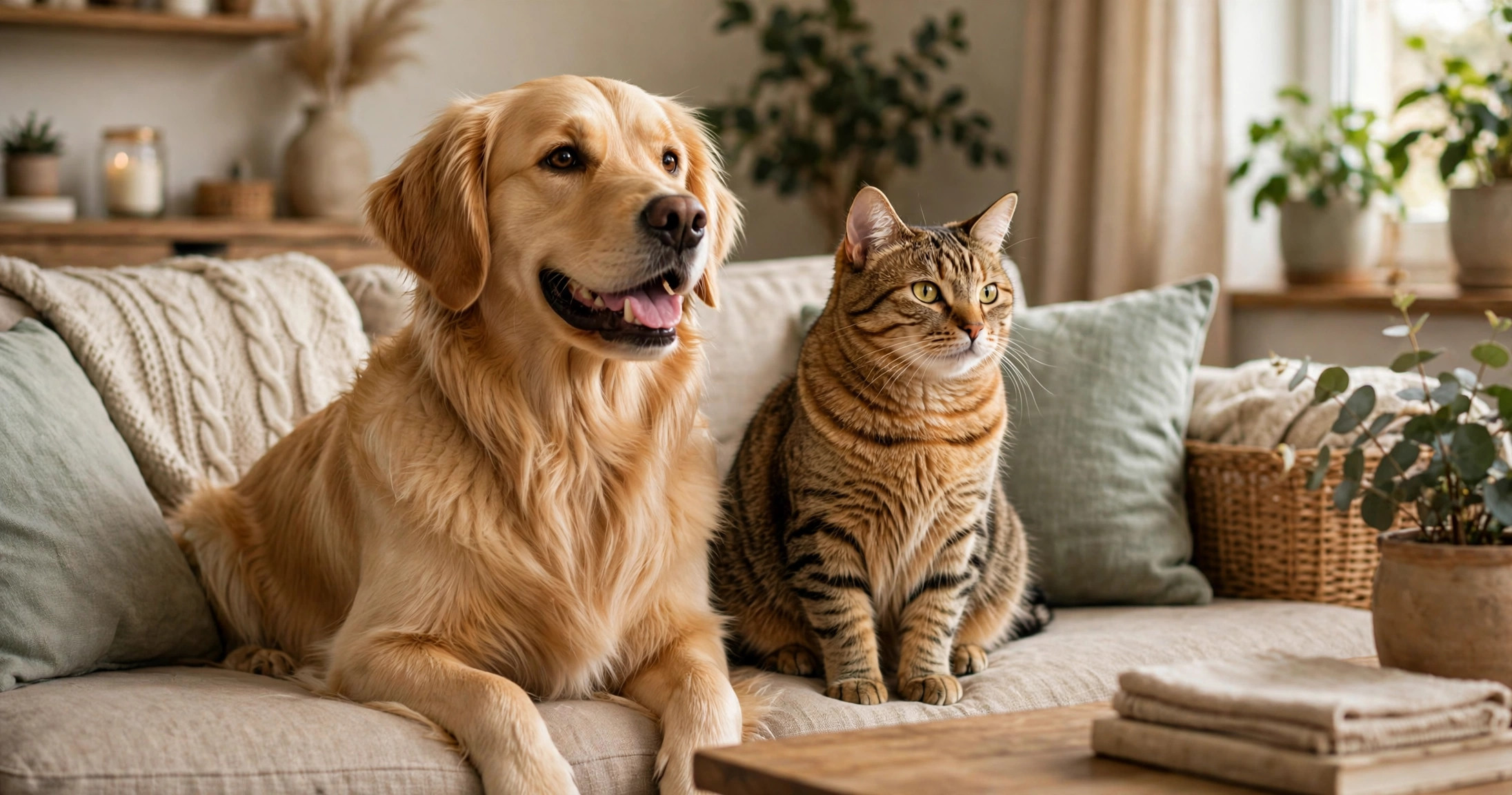
The Domestic Shorthair is the everyday mixed-breed cat filling shelters worldwide — and for most first-timers, the smartest choice. You meet the actual cat, see its real personality, and skip breed-stereotype guesswork. Short coats need almost no grooming, they adapt to apartments and houses alike, and shelter staff can tell you exactly which one is calm, playful, or shy.
Best for: anyone who wants a low-maintenance, adaptable companion. Watch out: personalities vary cat to cat — meet a few before deciding.
2. British Shorthair — The Calm Roommate
British Shorthairs are the teddy bears of the cat world: round, plush, and famously even-tempered — affectionate on their own terms, following you room to room but rarely demanding lap time. The dense coat needs only a weekly brush, and they handle alone time well, suiting people who work full days.
Best for: busy professionals and quiet households. Watch out: do not expect a cuddly lap cat; respect their independent streak.
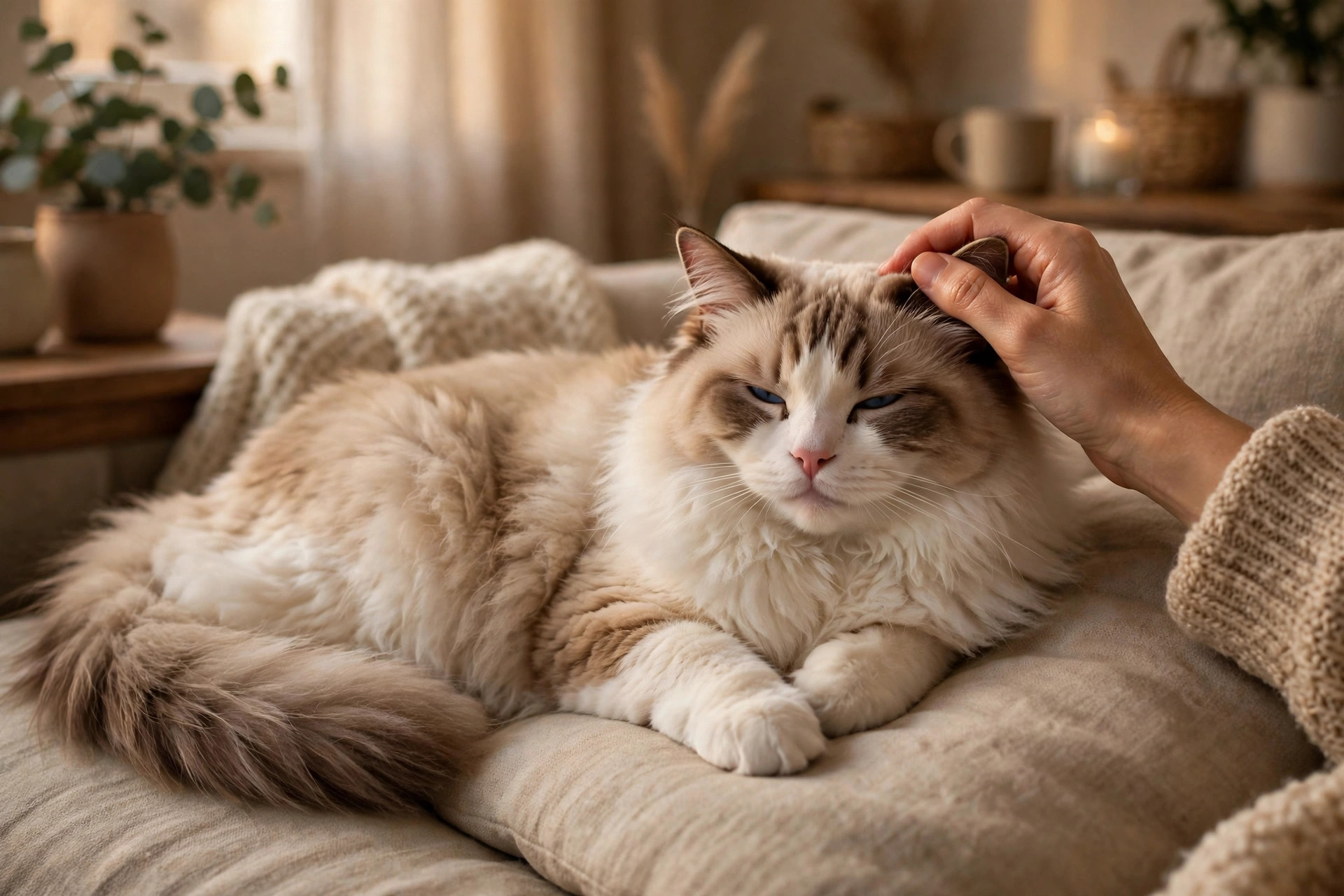
3. Ragdoll — The Gentle Flop
Ragdolls earned their name: pick one up and many go blissfully limp in your arms. Large, gentle, dog-like cats that greet you at the door and trail you around the house. The silky semi-long coat resists matting and needs only weekly brushing.
Best for: families and anyone home often; they thrive on company. Watch out: they are not suited to homes empty 12 hours a day — loneliness hits this breed hard.
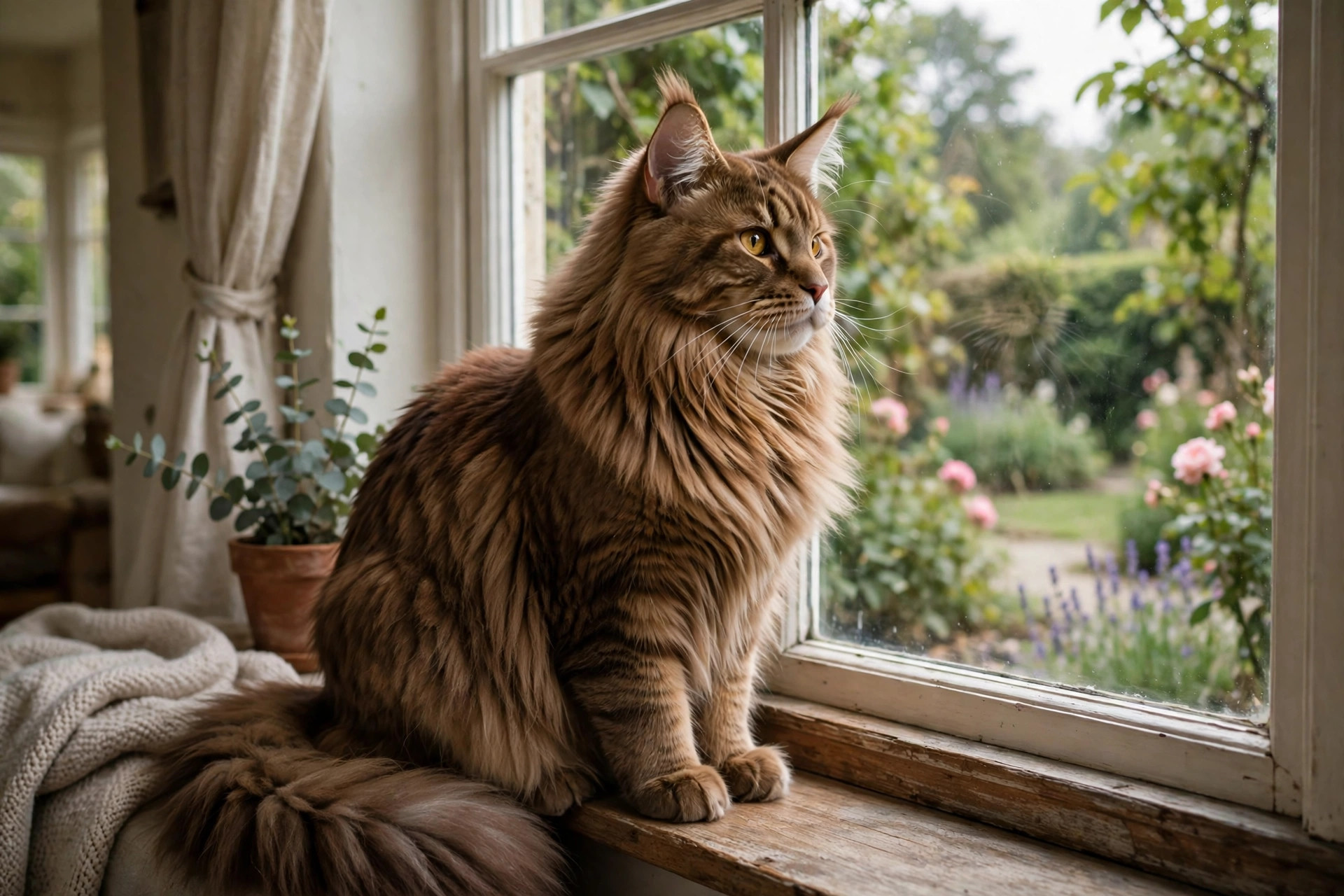
4. Maine Coon — The Gentle Giant
Maine Coons are among the largest domestic breeds and also among the sweetest — sociable without being clingy, famously good with children and other pets, often learning to play fetch. The shaggy coat needs brushing two to three times a week. Plan for an XL litter box and a sturdy cat tree.
Best for: families wanting a sturdy, social, dog-like cat. Watch out: the size and the grooming commitment; this is not a "leave it alone" breed.
5. American Shorthair — The Easygoing All-Rounder
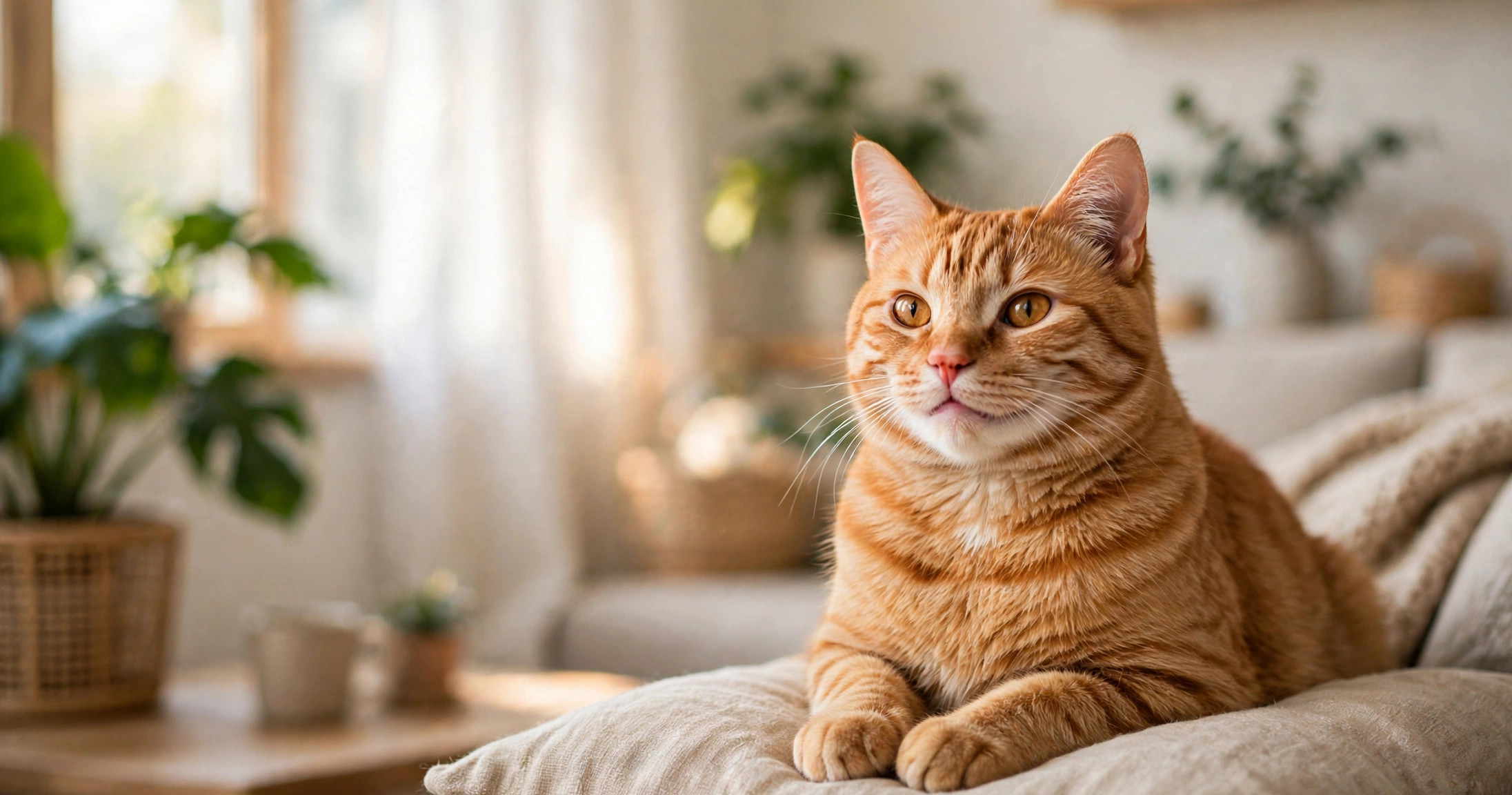
The American Shorthair is the quiet achiever of the cat world: healthy, adaptable, and undemanding — playful as a kitten, calm and affectionate as an adult. The short, thick coat is wash-and-wear. Independent enough for working owners, social enough for evening couch time.
Best for: first-timers who want zero drama. Watch out: they can gain weight if overfed and underplayed — keep the play sessions regular.
6. Burmese — The People Cat
If you want a cat that acts like your shadow, the Burmese delivers — sleek, muscular, playful into adulthood, learning tricks easily, and preferring your company over anywhere else. The short satin coat needs barely any grooming.
Best for: someone home a lot who wants an interactive companion. Watch out: they demand attention; a Burmese left alone all day will let you know about it.
7. Russian Blue — The Gentle Introvert
Russian Blues are shy with strangers and deeply devoted to their people — quiet, tidy, graceful, with a silver-blue coat that sheds little and needs minimal care. They handle a working owner's schedule better than most affectionate breeds, entertaining themselves politely until you return.
Best for: calm, quiet households and patient first-timers. Watch out: they may hide the first week; that is normal, not rejection.
8. Siamese — The Chatty Companion
Siamese cats do not just live with you; they converse with you — loudly, often, with opinions. Brilliant, social, intensely loyal; the short coat is effortless. But boredom is their enemy: an under-stimulated Siamese invents its own entertainment, usually at your expense.
Best for: owners who want an engaged, talkative, high-interaction pet. Watch out: not for people who value silence or are away long hours.
9. Persian — The Royal Lap Cat
The Persian is the ultimate calm companion: serene, sweet, happiest curled beside you. But that glorious coat demands daily brushing and regular eye-area cleaning, no exceptions — skipped grooming turns into painful mats fast. An indoor-only cat for a relaxed homebody lifestyle.
Best for: someone home often who genuinely enjoys daily grooming as bonding time. Watch out: if "daily brushing" sounds like a chore already, choose the Exotic Shorthair below instead.
10. Exotic Shorthair — The Low-Maintenance Persian
Everything people love about the Persian — sweet face, calm temperament, lap-cat soul — in a plush short coat needing only weekly brushing. Exotic Shorthairs are quiet, loyal, and undemanding: one of the most genuinely beginner-friendly purebreds.
Best for: first-timers who fell for the Persian look but not the Persian grooming bill. Watch out: they can be reserved with strangers; let them warm up at their pace.
11. Abyssinian — The Athlete
Abyssinians are the sports cars of the cat world: sleek, curious, in constant motion. They climb, explore, and play with an intensity that delights active owners and exhausts unprepared ones. The short ticked coat is nearly zero-maintenance. Adventure partners, not lap cats.
Best for: active owners who will play daily and provide climbing space. Watch out: a bored Abyssinian in a small flat is a recipe for chaos; this breed needs engagement.
12. Sphynx — The Velcro Cat (With a Catch)
Hairless Sphynx cats are among the most affectionate breeds alive — warm, clownish, glued to their humans. But "no fur" is not "no maintenance": skin oils need regular bathing, ears need cleaning, and they get cold easily. Wonderful, just not low-effort.
Best for: devoted owners who want maximum affection and accept the upkeep routine. Watch out: the grooming workload surprises most first-timers — budget time, not just money.
Quick Comparison: Grooming and Energy
- Lowest grooming: Domestic Shorthair, American Shorthair, Russian Blue, Siamese, Abyssinian, Burmese
- Weekly brushing: British Shorthair, Ragdoll, Exotic Shorthair, Maine Coon (2–3x)
- Daily commitment: Persian (brushing + eye care), Sphynx (bathing + ear cleaning)
- Calmest: Persian, Exotic Shorthair, British Shorthair, Ragdoll
- Most social: Siamese, Burmese, Ragdoll, Sphynx
- Best for full-time workers: British Shorthair, Russian Blue, American Shorthair, Domestic Shorthair
5 First-Time Owner Mistakes to Avoid
1. Choosing on looks alone. Match the breed to your schedule, not your wallpaper.
2. Skipping the meet-and-greet. Breed descriptions are averages. Spend real time with the cat before committing.
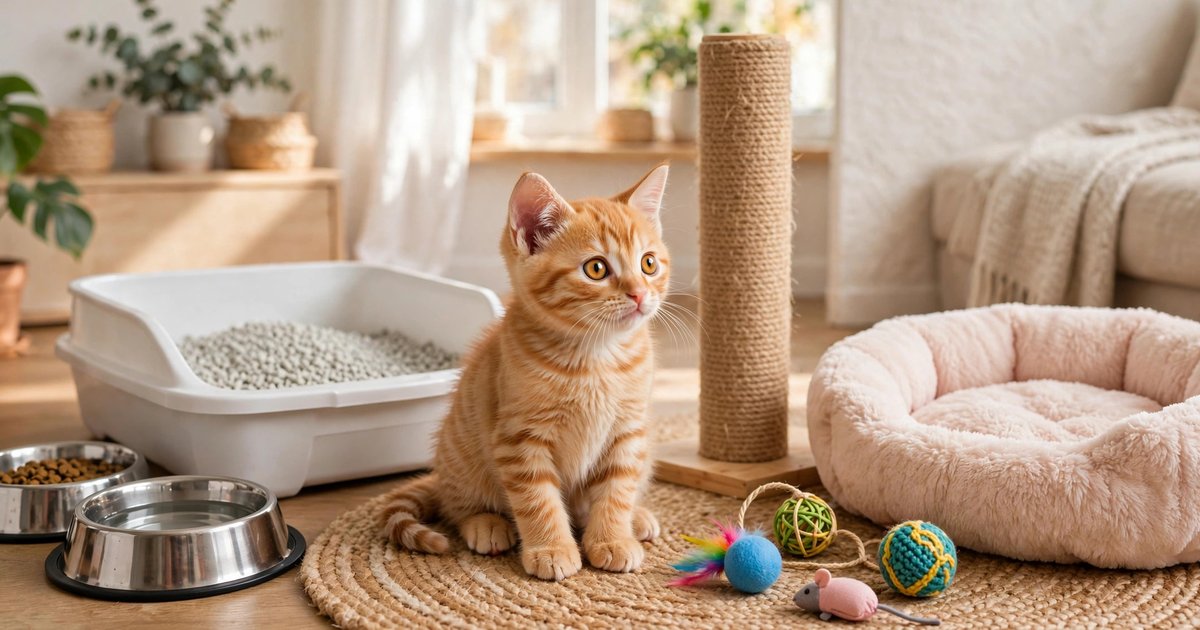
3. No scratching outlets. Cats scratch to stretch and mark territory. One sturdy scratching post on day one saves your sofa.
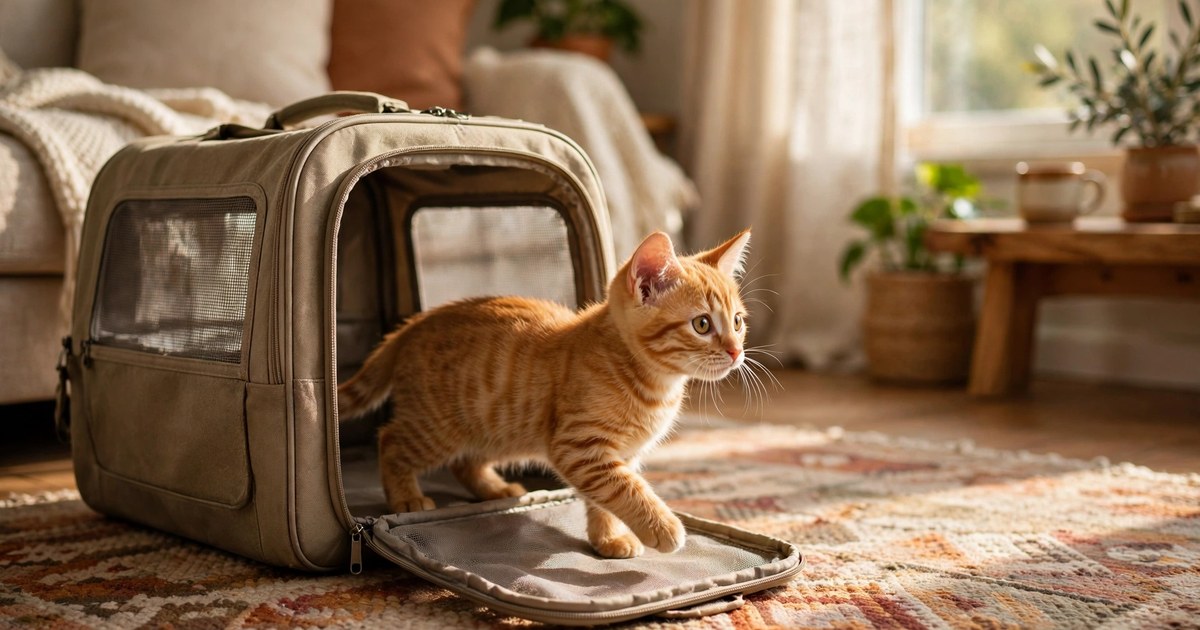
4. Underestimating the first-year budget. Adoption fees are just the start: litter, food, carrier, and vet visits add up. Read the real first-year cost breakdown before you bring anyone home.
5. Getting a kitten when an adult suits you better. Kittens are adorable chaos. An adult cat's personality is already known — often the wiser first choice.
Adopt or Buy? Where to Find Your First Cat
For most first-time owners, adoption is the best route: lower cost, adult personalities you can evaluate, and shelters full of Domestic Shorthairs that top this very list. Check what cat adoption really costs in 2026 so you can budget accurately.
If you buy from a breeder, do it right: visit in person, meet the kittens with their mother, ask for health records and a written contract, and walk away from anyone who pressures you or hides the living conditions. The Cat Fanciers' Association breed pages are a solid starting point for breed standards, the ASPCA's cat care guide covers litter boxes to introductions, and the VCA Hospitals breed library is written by veterinarians and refreshingly honest.
Frequently Asked Questions
What is the easiest cat breed for a first-time owner?
The Domestic Shorthair from a shelter is the easiest overall — low grooming, adaptable, and you can meet the actual cat first. Among purebreds, the British Shorthair, Ragdoll, and Exotic Shorthair are the most forgiving for beginners.
Are male or female cats better for beginners?
Once spayed or neutered, it is mostly individual personality rather than sex. Shelter staff can tell you which specific cats are calm, playful, or shy — trust that over any male-vs-female rule. And once you have picked your cat, finding the right name is the fun part.
How much does a first cat cost?
Adoption fees are typically a small fraction of breeder prices and often include spaying/neutering and initial vaccinations. Beyond that, budget for setup (carrier, litter box, scratching post) plus monthly costs — our first-year kitten cost breakdown has realistic numbers.
Should I get a kitten or an adult cat as a first-time owner?
An adult cat (1–3 years old) is usually the smarter first choice: settled personality, chaotic kitten phase over, shelters can match you accurately. Kittens need more supervision and patience — wonderful, but more work.
Can I leave my cat alone while I work full-time?
Most adult cats handle a workday fine, especially independent breeds like the British Shorthair, Russian Blue, or American Shorthair. Leave fresh water, a clean litter box, and enrichment (a window perch, scratching post). Very social breeds — Siamese, Burmese, Ragdoll — cope less well with long lonely days.
Should my cat live indoors or outdoors?
Indoors. Indoor cats live significantly longer on average, avoid traffic, fights, and parasites, and cost less in vet bills over a lifetime. A window perch, climbing space, and daily play give an indoor cat everything it needs.
Conclusion: Start With Your Lifestyle, Not the Looks
The right first cat is not the prettiest one — it is the one whose needs fit the life you actually live. Busy professional? A British Shorthair or a shelter Domestic Shorthair slots right in. Home a lot and want a shadow? Look at Ragdolls and Burmese. Work through the checklist above, meet a few cats in person, and trust the match over the marketing.
Already have a cat at home? Find out how old they really are in human years with our free cat age calculator — it takes ten seconds and might explain a few things about their behavior.