Bringing home a kitten is one of life's purest joys — and one of the fastest ways to empty your wallet if you walk into a pet store without a plan. Between the towering shelves of gadgets, treats, and "must-have" accessories, it's easy to believe a new kitten needs half the store. The truth? A kitten needs a surprisingly short list of basics, and most of them can be bought cheaply without cutting corners on comfort or safety.
This kitten supplies checklist breaks everything down into essentials, nice-to-have extras, and the items you can skip entirely. Every recommendation is budget-conscious, because "on a budget" shouldn't mean "second best." Let's get your home kitten-ready the smart way.
The Essentials: What Every Kitten Actually Needs
Start here. These are the non-negotiables — the items your kitten will genuinely use every single day. If money is tight, spend it on this section and nothing else for now.
Litter box and litter
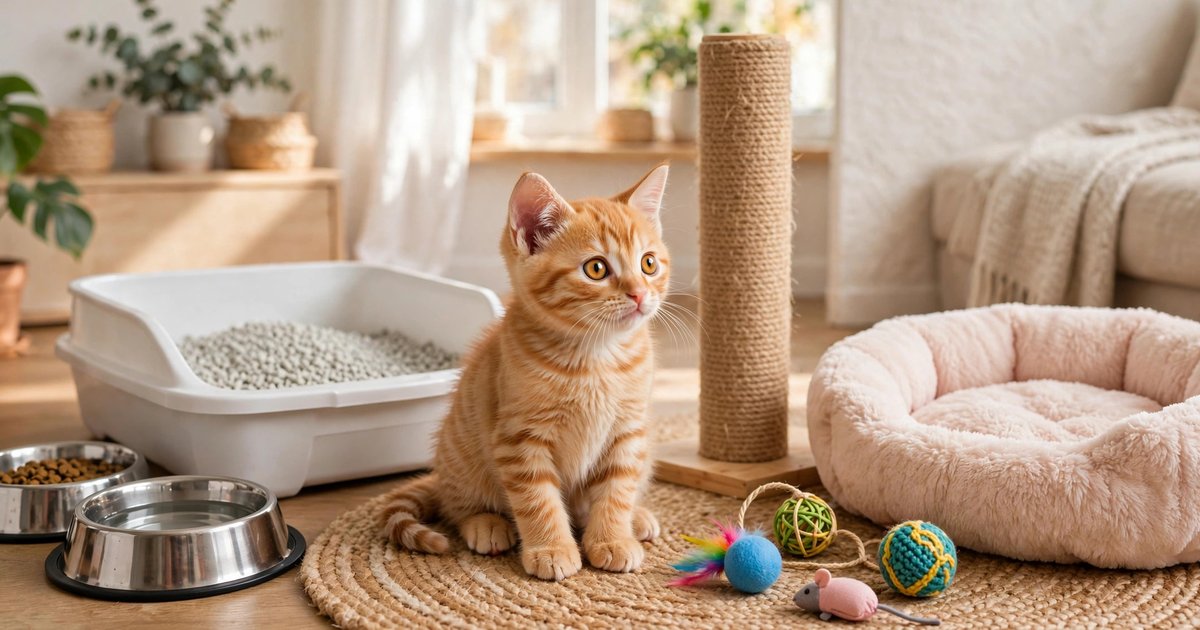
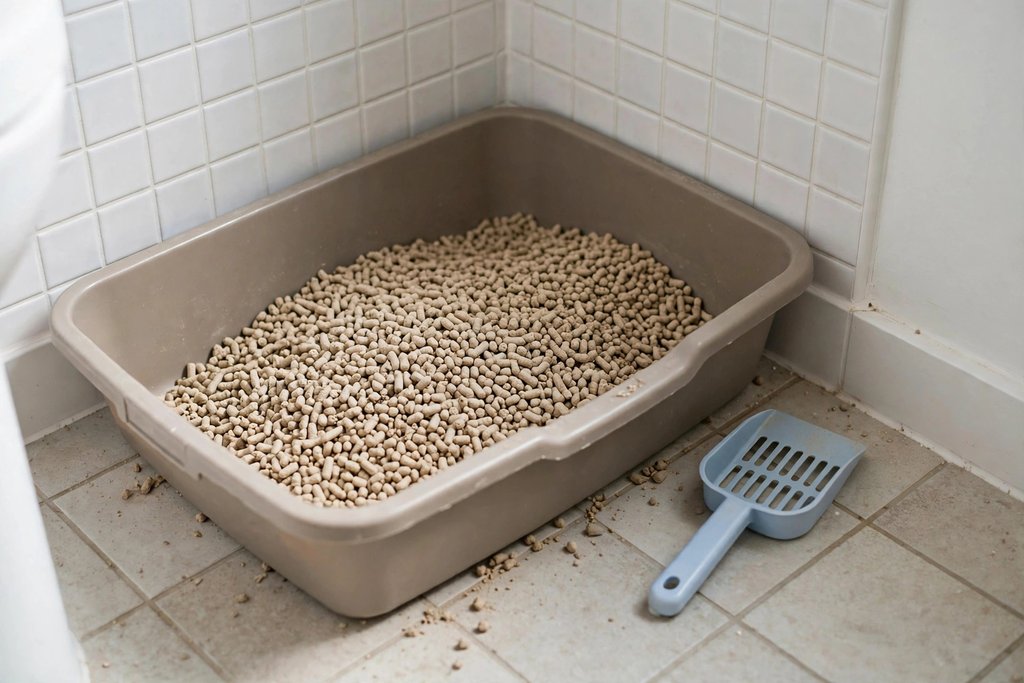
A litter box is the single most-used item your kitten will own, so it matters more than it looks. For kittens, choose a low-sided, open box — tiny legs can't climb into a tall adult box, and covered boxes can feel like traps to nervous newcomers. You don't need a self-cleaning model; a simple sturdy pan costs very little and does the job perfectly.
For litter, start with what the kitten was already using (ask the shelter or breeder), then switch gradually if you want something cheaper or more eco-friendly. Keep it to about two inches deep and scoop daily. You'll also want a small litter scoop — the cheapest one on the shelf works exactly as well as the fancy one.
Food and water bowls
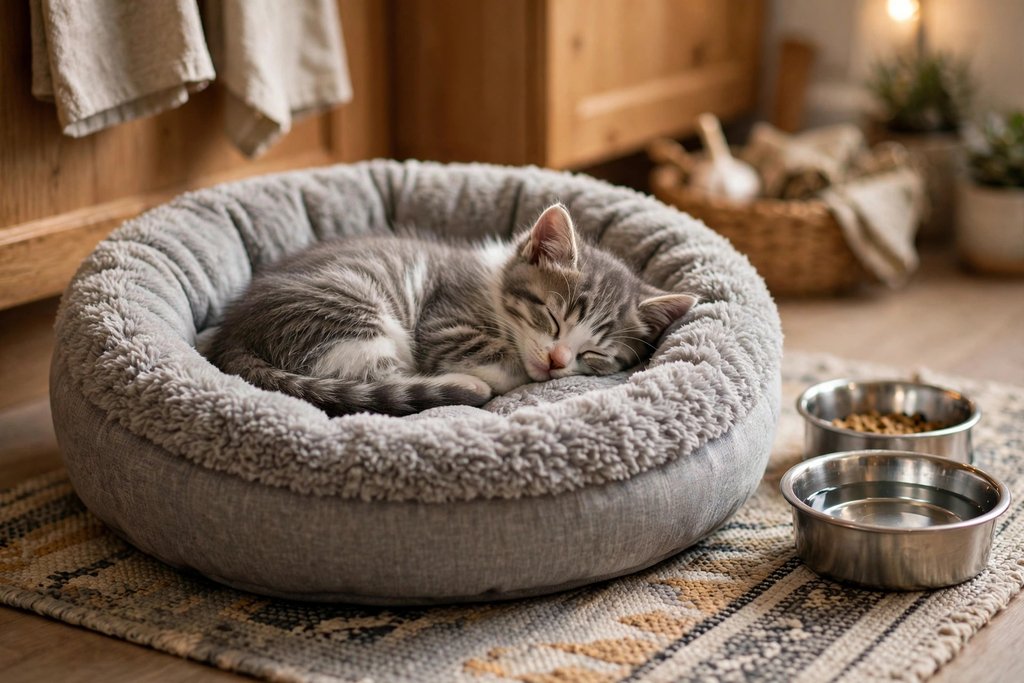
Two shallow bowls — one for food, one for water. That's it. Stainless steel is the best budget pick: it's cheap, nearly indestructible, dishwasher-safe, and won't harbor bacteria like cracked plastic can. Wide, shallow bowls are better than deep ones because kittens dislike their whiskers brushing the sides. A slow-feeder bowl is worth considering if your kitten gulps food, but it's not essential on day one.
Kitten food
Ask what the kitten has been eating and buy a small bag of the same thing to start — sudden food changes can upset a young stomach. After the first week or two, you can transition to a quality kitten-labeled food that fits your budget. Wet food and dry food are both fine; what matters most is that it's labeled for kittens and fed in reasonable, regular meals. Don't bulk-buy until you know what your kitten likes, or you'll end up donating a giant rejected bag.
A scratching surface
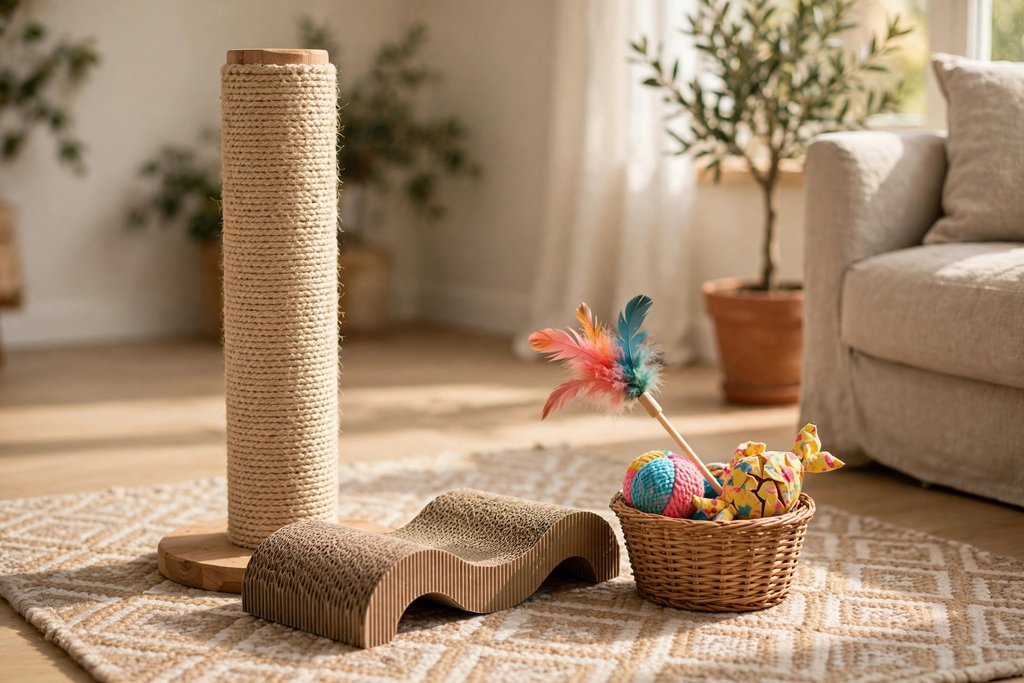
Kittens scratch. It's not bad behavior — it's instinct. Give them a place to do it, or your sofa becomes the place. A simple sisal scratching post is one of the highest-value purchases you can make, and cardboard scratchers are even cheaper and hugely popular with cats. Place it near where the kitten sleeps or plays, and you're already protecting your furniture.
A cozy sleeping spot
Kittens sleep an enormous amount, so a soft, warm bed is money well spent. But here's the budget secret: your kitten will probably be just as happy in a cardboard box with a soft blanket as in a designer cat cave. A simple washable bed (or a box + blanket combo) in a quiet corner is all it takes. Put the bed somewhere draft-free and slightly elevated if possible — cats feel safer with a little height.
Basic toys
You don't need a toy chest. A wand toy, a couple of crinkle balls or mice, and a cardboard box to pounce in will entertain most kittens for hours. Rotate toys weekly to keep things fresh instead of buying new ones. Interactive play sessions of 10–15 minutes a day do more for a kitten's happiness than any pile of gadgets.
Nice-to-Have Extras (Worth It When the Budget Allows)
Once the essentials are covered, these are the upgrades that genuinely add value:
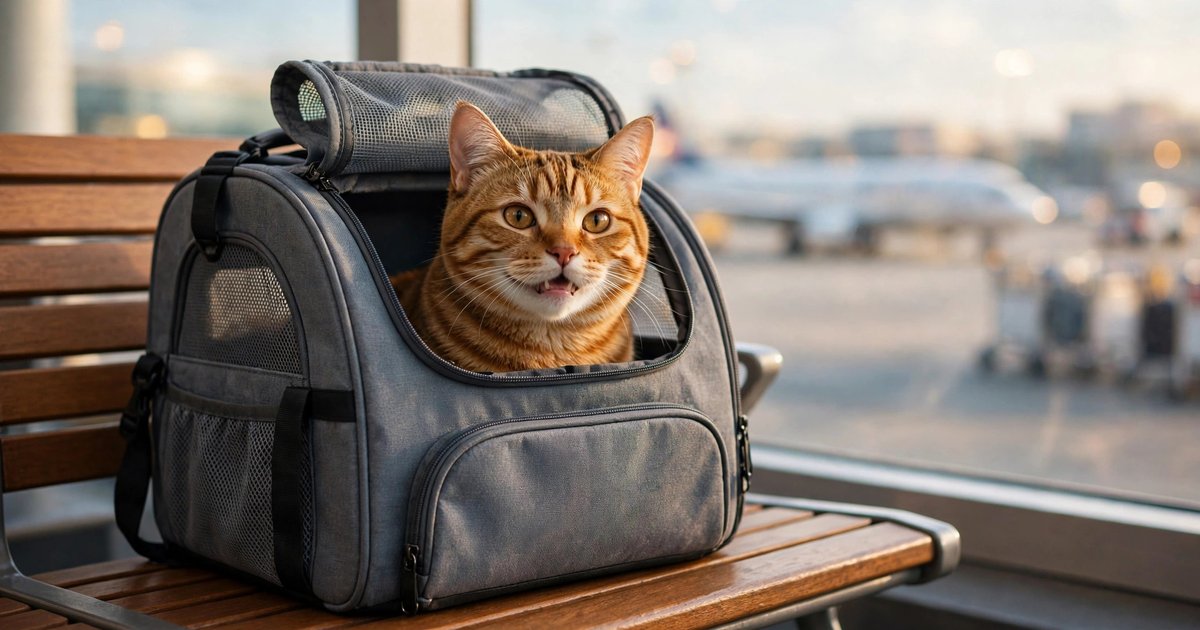
- Cat carrier — you'll need one for vet visits anyway, so get it early and leave it open at home with a blanket inside. The kitten learns it's safe, and travel day stops being traumatic.
- Window perch — cats are professional bird-watchers. A suction-cup perch on a sunny window is cheap entertainment that lasts for years.
- Cat tree — bigger investment, but a good one combines scratching, climbing, and napping in one piece of furniture. Wait for a sale rather than buying at full price.
- Grooming brush — a soft brush used a few minutes a week keeps the coat tidy and gets your kitten used to being handled, which pays off at every vet visit.
- Extra litter box — the general rule is one box per cat plus one spare. When you can afford it, the second box makes life easier in multi-floor homes.
How to Save Money Without Skimping
Here's where budget shopping gets strategic. A little creativity keeps your kitten perfectly happy while keeping your spending sane.
Buy secondhand — selectively
Carriers, cat trees, and scratching posts are all great secondhand buys from local marketplaces. Clean hard surfaces with pet-safe cleaner and replace any fabric parts. Never buy used litter boxes, food, or worn-out toys.
DIY the fun stuff
Kittens find toys everywhere. A paper bag with the handles cut off, a cardboard box with holes cut in the sides, a crumpled receipt — all kitten classics. A scratching post can be made from a wooden plank wrapped in sisal rope. The kitten will not know the difference, and honestly, will probably prefer the box to anything you buy.
Skip the gimmicks
You can skip the designer bowls, the wardrobe of costumes, the ultra-premium litter with "mood-enhancing crystals," and the automated toys with monthly subscriptions. None of them improve your kitten's life in any meaningful way. Spend that money on quality food and a good carrier instead.
Time your purchases
Pet stores and online retailers run deep sales around major holidays and end-of-season clearances. If you're bringing a kitten home on a known date, buy the big-ticket items (tree, carrier) on sale a few weeks ahead.
Your Complete Kitten Supplies Shopping List
Here's the whole checklist in one place — print it or save it to your phone before you shop:
- Low-sided open litter box
- Litter (start with what the kitten already uses) + small scoop
- Two shallow stainless steel bowls
- Kitten-labeled food (small bag to start)
- Sisal or cardboard scratcher
- Soft washable bed or cardboard box + blanket
- Wand toy and 2–3 small toys
- Sturdy carrier
- Soft grooming brush
- ID collar with a breakaway clasp and a tag
Mistakes First-Time Kitten Owners Make
Buying too much, too soon. Start with the essentials, learn your kitten's habits for a couple of weeks, then buy extras that actually match how they play and sleep. Impulse buying before you know your kitten's preferences is the fastest way to waste money.
Buying the giant bag of food. Kittens change their minds. Buy small until you find the winner.
Skipping the spare key items. A carrier and an ID collar aren't exciting, but the day you need them, you'll be glad you have them.
Forgetting the "boring" supplies. Budget for the recurring stuff — litter, food, and basic litter-box maintenance — not just the one-time haul. Running a quick estimate with our cat cost calculator helps you see the full monthly picture before the kitten arrives.
Kitten Supplies FAQ
How much should I budget for kitten supplies?
Most people can set up a kitten comfortably for around $100–$200 if they buy essentials and shop sales or secondhand. The big variables are the cat tree and carrier. Ongoing monthly costs for food and litter are the bigger long-term number — our kitten first-year budget tool breaks that down for you.
What can I skip when getting a kitten on a tight budget?
Skip designer accessories, clothing, subscription toys, and premium-priced anything. What you cannot skip: litter box and litter, food and water bowls, kitten food, a scratching surface, a sleeping spot, a carrier, and a few simple toys.
Is a secondhand litter box safe?
No — buy litter boxes new. Porous plastic can harbor bacteria and odors even after scrubbing. Carriers, scratchers, and cat trees are fine secondhand after a good cleaning; the litter box itself is cheap enough to buy fresh.
How many litter boxes does one kitten need?
One box works to start. The standard guideline is one box per cat plus one extra, so when the budget allows, a second box in another spot is a worthwhile upgrade — especially in a multi-floor home. The litter box calculator can help you plan placement and counts.
Should I get a covered or open litter box?
For kittens, open and low-sided is the safer choice. Small kittens can struggle to climb into high-sided or covered boxes, and a covered box can feel confining to a nervous newcomer. You can always upgrade later once they're bigger and confident.
Do kittens really need a scratching post?
Yes — scratching is a normal, healthy behavior, not a problem to fix. Without an approved surface, kittens will choose your furniture. A simple cardboard scratcher costs almost nothing and satisfies the instinct completely.
Conclusion
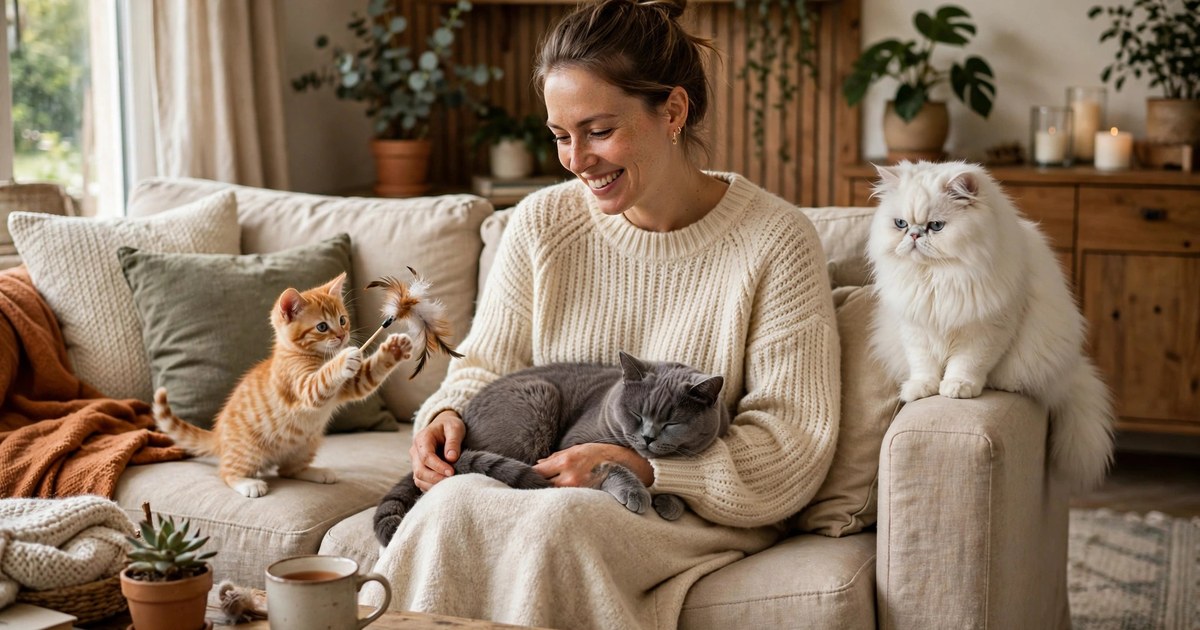
A kitten's first shopping list doesn't need to be long or expensive — it just needs to be right. Cover the essentials (litter setup, bowls, food, scratcher, bed, toys, carrier), skip the gimmicks, and spend the savings on the things that actually matter: good food, regular playtime, and those quiet moments when your new kitten falls asleep in your lap.
Ready to plan the full picture? Walk through our interactive new kitten checklist tool to make sure nothing's missing, or check our new kitten first-week survival guide for a day-by-day plan of those crucial first days at home.
For more general kitten care background, these trusted resources are worth bookmarking: the ASPCA's kitten care guidance, VCA Hospitals' cat care overview, and the Cat Fanciers' Association cat care page.