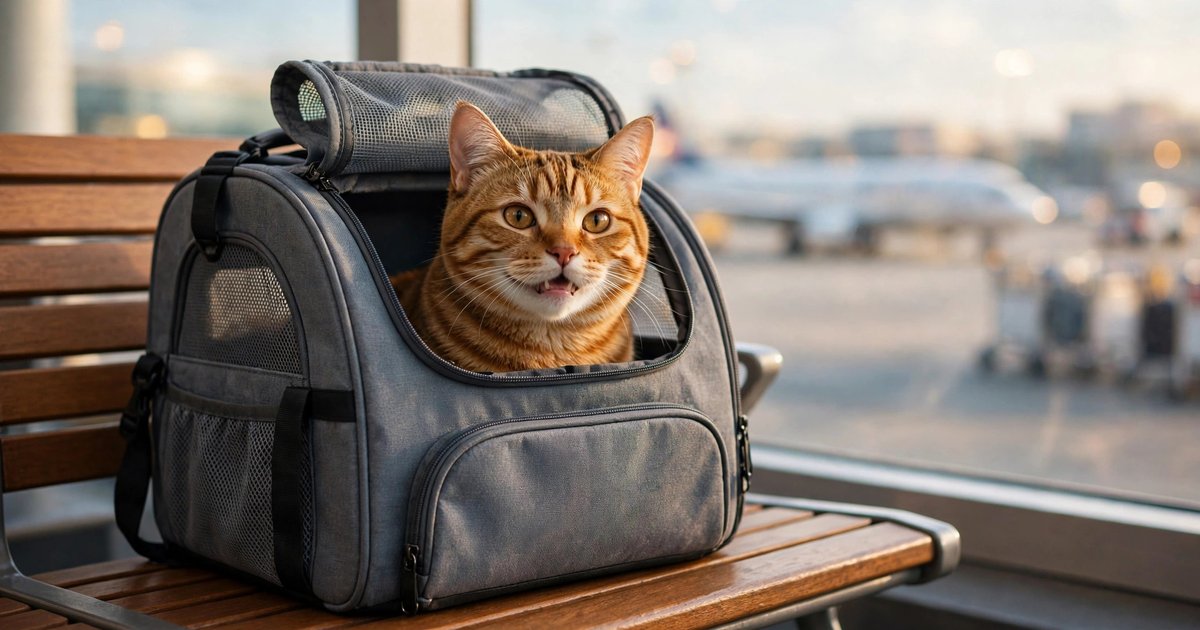
Cost to Fly With a Cat In Cabin (2026 Guide)
Planning to bring your cat along on your next trip? Flying with a cat in the cabin is one of the most popular ways pet parents travel — but the total bill can surprise you. Between the airline's pet fee, an approved carrier, paperwork, and a few hidden extras, the real cost adds up fast. In this guide, we break down exactly what it costs to fly with a cat in the cabin in 2026, compare what major airlines charge, and share seven practical ways to keep your travel budget in check.
The Quick Answer: How Much Does It Cost to Fly With a Cat in Cabin?
For a typical domestic US flight in 2026, expect to pay $95 to $200 each way in airline pet fees alone, plus $30 to $80 for an airline-approved carrier if you don't already own one. All in, most cat parents spend $150 to $400 per one-way trip once you add paperwork, seat selection, and airport extras.
| Cost item | Typical range (2026) | Notes |
|---|---|---|
| Airline in-cabin pet fee | $95–$200 each way | Charged per pet, per flight segment |
| Airline-approved carrier | $30–$80 | One-time purchase if you don't own one |
| Travel documents & paperwork | $0–$75 | Domestic is usually free; international adds up |
| Seat selection (extra legroom) | $0–$50 | Optional, but worth it with a carrier under the seat |
| Airport parking / ground transport | $20–$60 | Varies by airport and city |
Airline fees change regularly, so always confirm the current pet policy and fee on your airline's website before booking. The numbers below are typical 2026 ranges to help you budget.
Airline In-Cabin Pet Fees Compared
Every major US airline allows small cats in the cabin on most domestic flights, and each charges a one-way pet fee per flight segment. Here's how the typical fees compare:
| Airline | Typical in-cabin pet fee (each way) | What to know |
|---|---|---|
| American Airlines | Around $150 | Book the pet spot early — cabin spots per flight are limited |
| Delta Air Lines | Around $150 domestic | Higher on some international routes; check before booking |
| United Airlines | Around $150 | Pet reservation must be added to your ticket in advance |
| Southwest Airlines | Around $125 | One of the lower fees among major carriers |
| JetBlue | Around $150 | JetPaws program includes a pet travel carrier tag |
| Alaska Airlines | Around $150 | First-class cabin pet spots sometimes available |
These are ballpark 2026 figures. Fees are charged per pet, per segment, so a connecting itinerary doubles the fee each way — and airlines adjust pet prices often, so confirm the current fee when you book.
7 Cost Factors That Raise (or Lower) Your Total
1. The Airline Pet Fee
This is the biggest single line item. Most airlines charge between $95 and $200 per segment, and the fee is non-refundable even if you cancel or change the flight. If your itinerary includes connections, multiply the fee by the number of segments — nonstop flights aren't just easier on your cat, they're cheaper too. Add the pet fee to each fare before you compare airlines.
2. An Airline-Approved Carrier
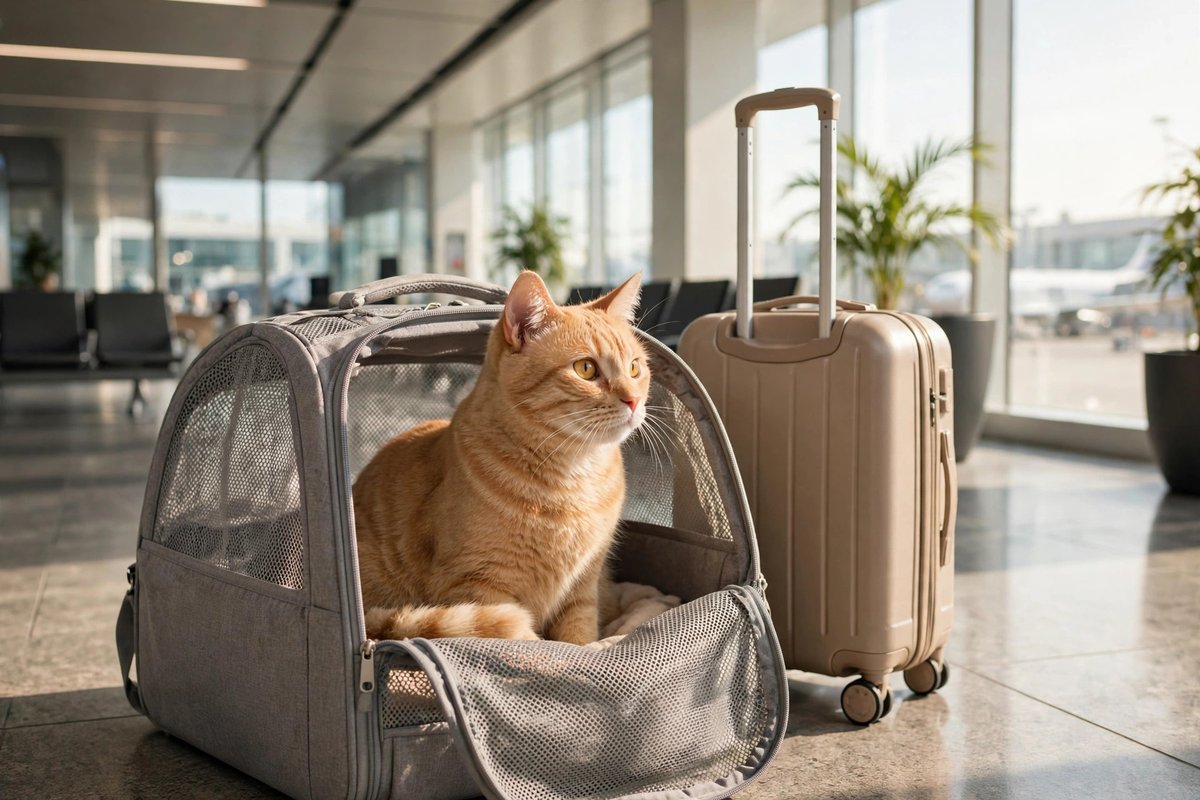
Airlines require a soft-sided carrier that fits under the seat in front of you, with maximum dimensions that vary slightly by carrier and aircraft. A good quality airline-approved cat carrier costs $30 to $80. Skip flimsy budget carriers — zippers fail and mesh tears. Look for sturdy zippers, secure locks, and a comfortable base. If you travel often, this one-time purchase pays for itself quickly.
3. Travel Documents and Paperwork
For domestic US flights, most airlines require no paperwork beyond your pet reservation — though a few ask for a recent health certificate from a veterinarian, which typically costs $25 to $75 for the exam and paperwork if your vet charges separately. International travel is a different story: destination countries may require specific documents, import permits, and customs processing fees that can add $50 to $200+. Research your destination's pet import rules well before you fly.
4. Your Own Ticket: Booking Smarter
Your ticket is still the biggest expense of the trip, and smart booking lowers the total. Flying midweek, booking 3–6 weeks ahead, and choosing nonstop routes all help. Budget airlines sometimes have lower pet fees, but read the fine print — some low-cost carriers don't allow pets in the cabin at all, which would force you into a more expensive mainline airline anyway. Use fare comparison tools and always add the pet fee to the ticket price before comparing.
5. Seat Selection and Route Choices
With a carrier tucked under the seat in front of you, legroom matters. Paying $20 to $50 for an extra-legroom seat can make a long flight far more comfortable for both of you. Avoid bulkhead rows: the tray tables and entertainment equipment in armrests often mean there's no under-seat storage, which is exactly where your cat needs to be.
6. Parking, Ground Transport, and Airport Costs
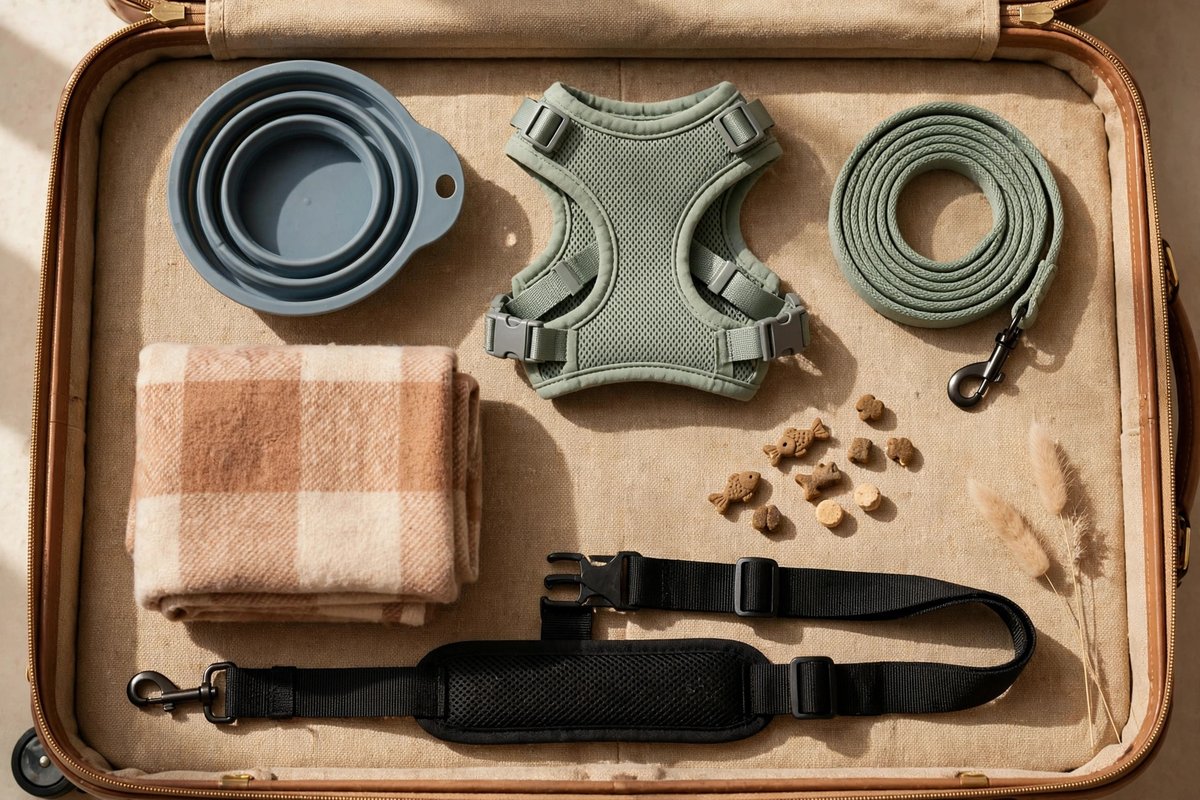
Don't forget the small stuff: airport parking ($20–$60 per trip), rideshares to and from the airport, and a meal or coffee during a long layover. These add $30 to $80 to a typical trip. If you're picking up supplies at the airport — a spare litter pad, bottled water, or treats you forgot — airport prices will sting. Pack a small "cat travel kit" (collapsible bowl, a few treats, a familiar-smelling blanket, cleanup wipes) before you leave home.
7. International Flights Cost Significantly More
Taking your cat abroad multiplies the cost. Pet fees on international legs typically run $200 to $400+, some countries require quarantine or inspection fees, and you may need an accredited veterinarian to endorse paperwork — which adds appointment costs and courier fees for documents. Total international cat travel costs commonly land between $400 and $1,000+ per trip. If you're traveling internationally, start planning at least two months ahead.
How to Save Money Flying With Your Cat
A little planning goes a long way. These seven tips can cut $100 or more off your trip:
- Fly nonstop whenever possible. You pay the pet fee once instead of twice, and your cat skips the stress of a connection.
- Compare total prices, not just ticket prices. A $40 cheaper ticket on an airline with a $50 higher pet fee is no bargain.
- Buy the carrier once, buy it right. A $60 sturdy carrier beats replacing a $25 flimsy one every year.
- Book the pet spot early. Airlines cap the number of pets per cabin — usually 4 to 6. If the flight fills up, you're rebooking at a higher fare.
- Pack the cat travel kit from home. Treats, wipes, a collapsible bowl, and a familiar blanket cost almost nothing at home and triple at the airport.
- Join the airline's free loyalty program. Even basic members sometimes get free seat selection or fee waivers that offset pet costs.
- Consider off-peak travel. Midweek and shoulder-season flights are cheaper — and emptier cabins mean a calmer trip for your cat.
Sample Budget: What One In-Cabin Cat Flight Really Costs
Here's a realistic one-way domestic budget for a cat parent who already owns a carrier:
| Item | Cost |
|---|---|
| In-cabin pet fee (1 segment) | $125–$150 |
| Extra-legroom seat selection | $0–$35 |
| Cat travel kit supplies | $10–$20 |
| Airport parking / rideshare share | $20–$40 |
| Total one-way | $155–$245 |
Round trip roughly doubles that: $310 to $490 in cat-specific extras on top of your own ticket. If you're buying a carrier for the first time, add $30–$80 once. International trips need a separate, bigger budget.
Flying vs. Hiring a Pet Sitter: Which Is Cheaper?
Sometimes the cheapest flight is the one you don't take with your cat. Professional cat sitters typically charge $25 to $60 per night in 2026, so a week-long trip might cost $175 to $420 in sitting fees — right in the same range as round-trip in-cabin flight extras. The sitter option often wins for short trips, while flying together makes more sense for longer stays or moves. Run the numbers for your specific trip: add up the pet fee, carrier, seat upgrades, and extras, then compare against a week of in-home cat sitting.
For more on pet air travel rules and preparation from trusted sources, see the ASPCA's travel safety tips, the AKC's airline pet travel guide, and the Cornell Feline Health Center's health information library.
Frequently Asked Questions
How much does it cost to fly with a cat in the cabin?
Domestic US flights typically cost $95–$200 each way in airline pet fees, plus $30–$80 for an approved carrier (a one-time purchase) and $30–$80 in airport extras. Most cat parents spend $150–$400 per one-way trip all in.
Does my cat need its own plane ticket?
No — cats don't get tickets. Instead, you add a pet reservation to your booking and pay the in-cabin pet fee, usually when you book or by calling the airline. Airlines limit the number of pets per cabin, so reserve early.
Can I take my cat out of the carrier during the flight?
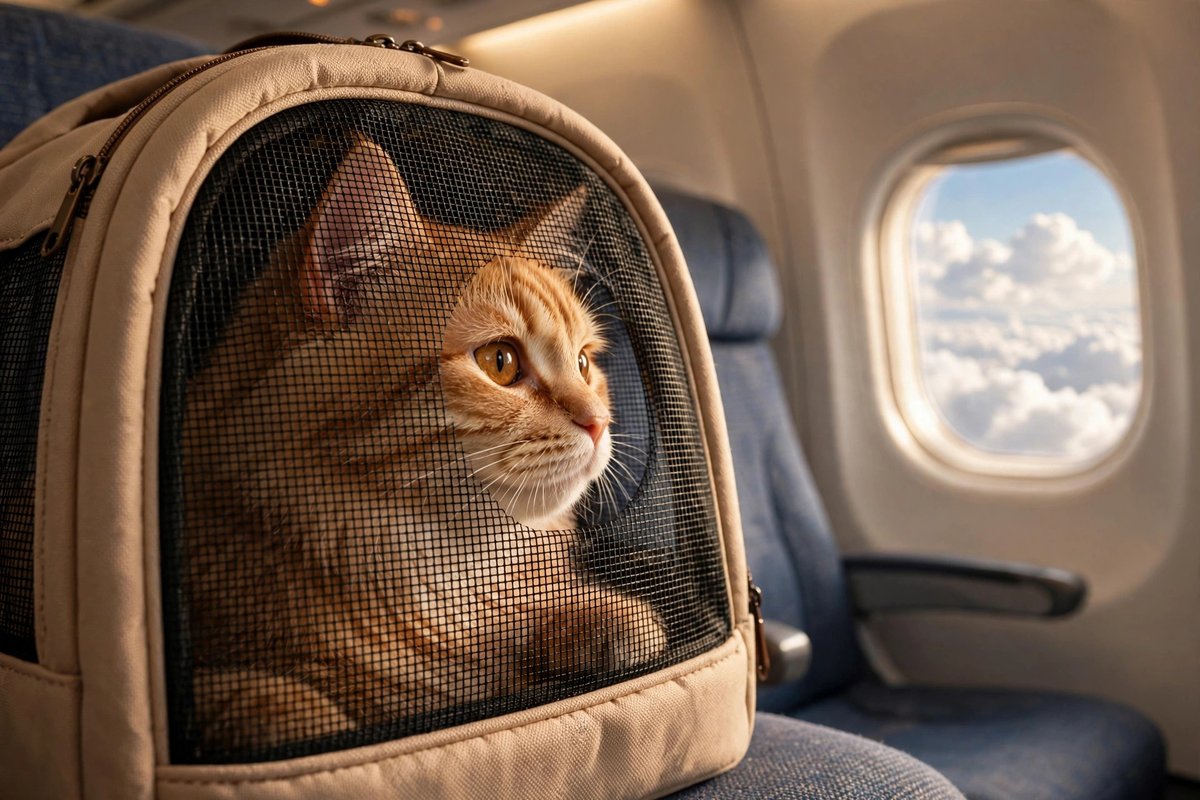
No. Airlines require your cat to stay inside the closed carrier under the seat in front of you for the entire flight, including boarding and taxiing.
What size carrier do I need for in-cabin cat travel?
Most airlines allow soft-sided carriers around 18" x 11" x 11", but exact maximums vary by airline and aircraft. Always check your specific airline's pet policy page and measure the under-seat space for your aircraft type before buying.
Is it cheaper to fly with my cat or hire a pet sitter?
It's close. Round-trip in-cabin extras typically run $310–$490, while a week of professional cat sitting runs $175–$420. For short trips, a sitter is often cheaper; for longer trips or moves, flying together usually makes more sense.
Final Thoughts
Flying with your cat in the cabin is very doable in 2026 — you just need to budget honestly. The airline pet fee is the big line item, but the carrier, seat choices, and little airport extras are what push trips over budget. Fly nonstop, book the pet spot early, pack your cat's travel kit from home, and compare total prices across airlines before you commit.
Want to see how flight costs fit into your overall pet budget? Try CalcPet's free Cat Cost Calculator to estimate your cat's monthly and yearly expenses — travel included. And if you're still weighing your options, our guide to how much it costs to adopt a cat in 2026 and our first-year kitten cost breakdown will help you plan the full picture. Start at CalcPet's homepage to explore all our free cat and dog tools.