Cats are already one of the most budget-friendly pets you can own — but the breed you choose can easily swing your total cost by hundreds of dollars a year. A $150 shelter adoption and a $2,000 designer breed are not the same financial commitment, even though both will happily sit on your keyboard.
This 2026 guide to the cheapest cat breeds to own ranks ten breeds by real-world total cost: what you pay to bring one home, what grooming demands, and what everyday upkeep looks like. Prices below are US averages from current breeder listings and shelter data — your city may vary, so treat them as a planning baseline, not a price tag.
What "Cheapest to Own" Actually Means
A low sticker price alone doesn't make a cat cheap. The real ranking comes from three cost buckets added together:
- Upfront price. Adoption fee or breeder price, plus spay/neuter if not included (many shelters include it — always ask).
- Grooming needs. Short, wash-and-wear coats need almost nothing; long or high-shedding coats need brushes, de-shedding tools, and sometimes professional grooming sessions.
- Everyday upkeep. Food, litter, toys, carrier, scratching posts, and routine vet care. A bigger, more active cat simply goes through more of everything.
Every breed below scores well on all three. And remember: the breed is only half the equation — what a cat costs per month in 2026 depends just as much on your shopping habits as on the cat itself.
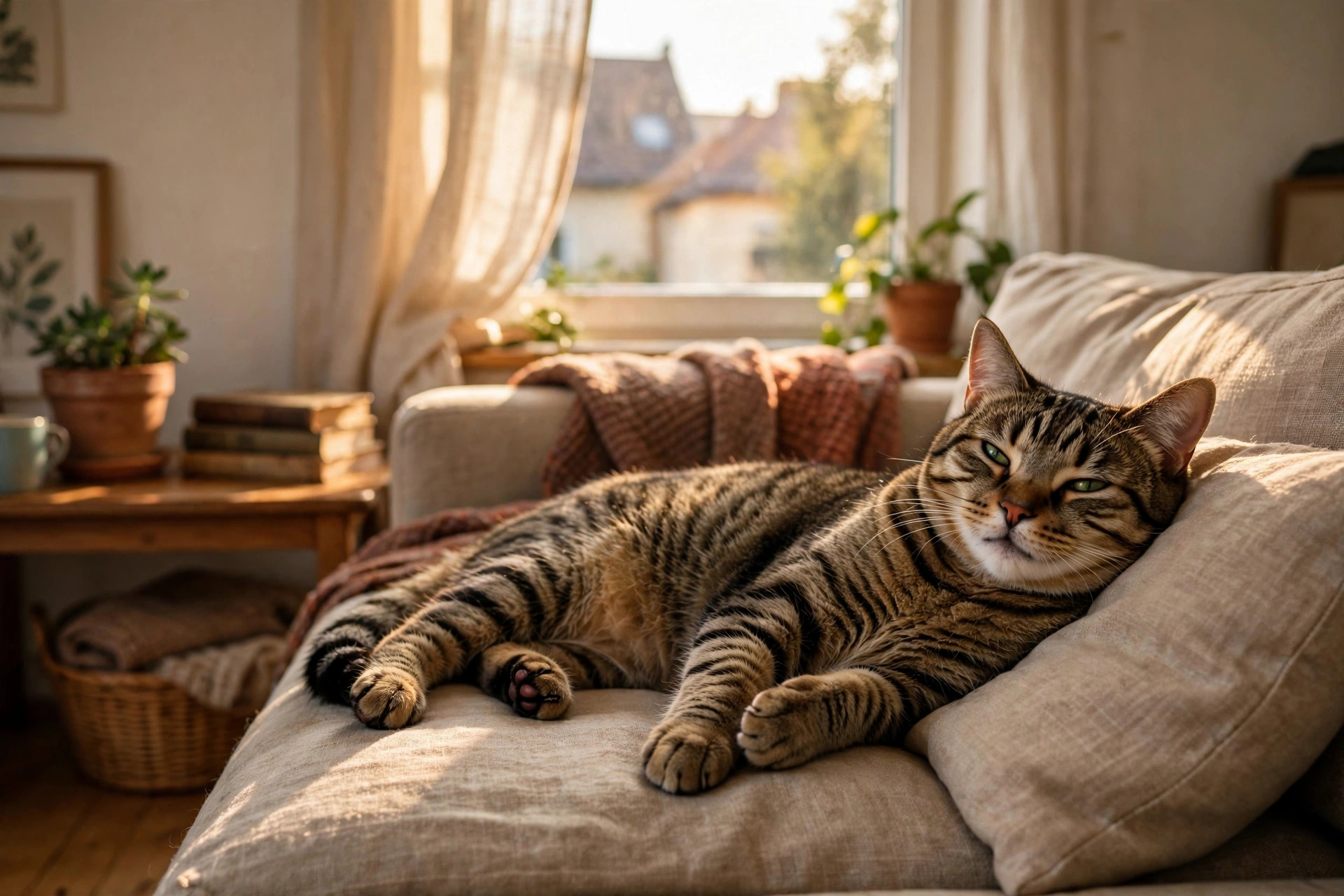
1. Domestic Shorthair — $25–$150 (adoption)
The undisputed champion of affordable cats. "Domestic Shorthair" isn't a pedigree breed at all — it's the term shelters use for mixed-breed short-coated cats, which make up the vast majority of cats looking for homes. Because supply is enormous, adoption fees are the lowest of any cat you'll find.
You'll get a hardy, adaptable cat with a short coat that needs nothing more than an occasional brushing. Personality varies cat to cat — which is exactly why meeting them in person matters more than any breed description. If your budget is the top priority, start here and you may never need to look further.
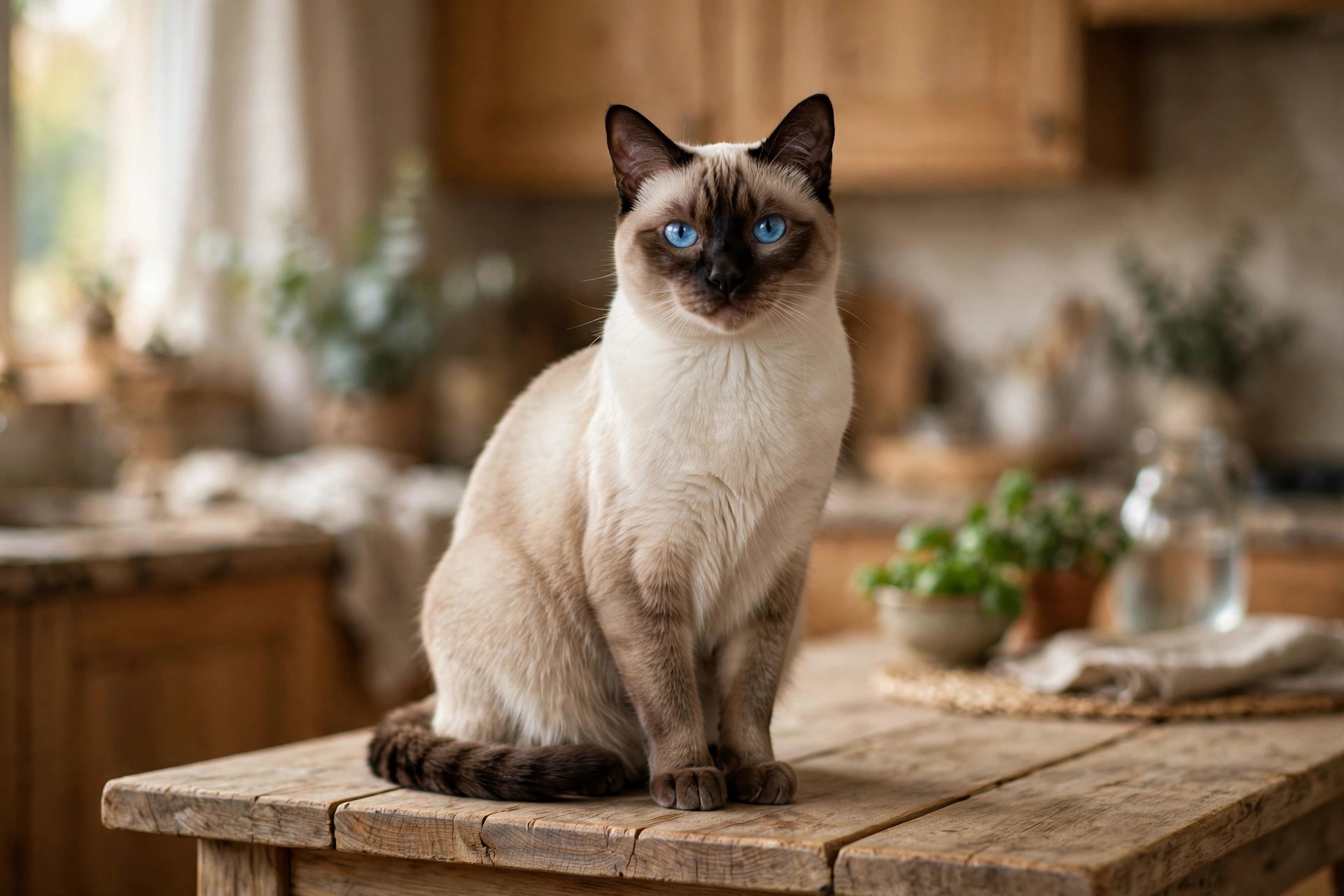
2. Siamese — $400–$1,200 (breeder) / $150–$400 (rescue)
One of the most recognizable breeds in the world, and one of the most affordable purebreds. The Siamese's short, fine coat is nearly maintenance-free — a quick weekly brush keeps shedding under control, and professional grooming is rarely needed.
They're famously vocal and social, so the "cost" here is attention, not money. Breed-specific rescues regularly have Siamese and Siamese mixes for a fraction of breeder prices, and mixed Siamese kittens turn up in general shelters too. Check the Cat Fanciers' Association breed listings to learn the breed standard before you shop.
3. American Shorthair — $500–$800 (breeder)
The classic all-American cat: sturdy, easygoing, and blessed with a dense but low-maintenance short coat. American Shorthairs were bred as working mousers, so they tend to be robust, self-entertaining cats that don't demand expensive entertainment systems (a cardboard box still works).
Purebred kittens sit in the mid-range price bracket, but here's the budget secret — American Shorthair lookalikes are extremely common in shelters, where the same easy temperament comes with a $100 adoption fee. Either way, grooming costs stay near zero.
4. Manx — $400–$600 (breeder)
Best known for the missing or stubby tail, the Manx is a playful, dog-like cat with a short double coat that needs only basic brushing. Breeder prices are refreshingly modest for a pedigree, and the breed's loyal, interactive personality means fewer boredom-driven toy purchases.
Manx cats come in "rumpy" (no tail), "stumpy," and "longy" varieties — the tail situation doesn't change the price much. If you want a pedigree with character at a shelter-adjacent price, this is one of the best values in the cat world.
5. Oriental Shorthair — $600–$1,000 (breeder)
Think of the Oriental Shorthair as the Siamese's sleek, colorful cousin — same elegant body and short, glossy coat, available in over 300 color and pattern combinations. Grooming is minimal: the fine coat barely sheds and a weekly wipe-down is plenty.
They share the Siamese love of conversation and company. Prices stay under four figures at most breeders, which is remarkable for a pedigree this striking. Rescue groups for Siamese-type cats often have Orientals too, at much lower fees.
6. Bombay — $500–$700 (breeder)
The Bombay looks like a miniature panther — jet-black, glossy, muscular — and it was deliberately bred to be exactly that. The payoff for budget owners: a short, satiny coat with minimal shedding and almost no grooming demands.
Bombays are affectionate lap cats, which means your entertainment budget can stay at "one good scratching post and a sunny window." Breeder prices are among the lowest of any recognized pedigree, and black cats are also the slowest to be adopted from shelters — so a Bombay lookalike from a rescue can cost under $100.
7. Burmese — $600–$1,200 (breeder)
Compact, muscular, and people-obsessed, the Burmese wears a short, silky coat that practically grooms itself. A soft brush once a week is the entire grooming routine, and the breed's sturdy build keeps it an economical eater rather than a bottomless pit.
Burmese cats bond hard with their families and prefer laps to luxury, so you won't be buying elaborate cat furniture to keep them happy. They sit at the upper end of "cheap" as purebreds go, but their near-zero grooming costs keep lifetime expenses low.
8. Tonkinese — $600–$1,000 (breeder)
A deliberate Siamese–Burmese cross, the Tonkinese inherited the best budget traits of both parents: a short, soft, low-shedding coat and a social, playful temperament that thrives on interaction rather than expensive toys.
Tonks (as fans call them) are active but not destructive, and their moderate size keeps food costs reasonable. Breeders price them accessibly, and because the breed is less famous than its parent breeds, you won't pay a hype premium.
9. Havana Brown — $800–$1,200 (breeder)
The Havana Brown is a rare sight — a rich chocolate-brown cat with striking green eyes — but rarity hasn't inflated the price the way you'd expect. The short, smooth coat needs minimal care, and the breed's playful, curious nature makes it a delightful low-cost companion.
Because relatively few breeders work with Havanas, waiting lists can be long. Patient budget hunters should also watch breed rescues and Siamese-type rescue groups, where Havana mixes occasionally appear at standard rescue fees.
10. Cornish Rex — $800–$1,300 (breeder)
The Cornish Rex wears a short, wavy "marcel" coat unlike any other cat — and it barely sheds, which means less vacuuming, less lint-rolling, and essentially no professional grooming. That's a genuine long-term saving most breed guides overlook.
These are quirky, athletic, endlessly entertaining cats; many owners say one Cornish Rex provides more free entertainment than a television. The upfront price is the highest on this list, but the near-zero grooming bill keeps total ownership costs competitive.
The Real Cost Picture: Upfront vs. Monthly
Breed price is only the entry ticket. Before you commit, map out the full first year: adoption or breeder fee, spay/neuter (if not included), carrier, litter box, scratching post, initial supplies, and the first vet visits. Then there's the monthly rhythm of food, litter, and routine care.
Two free tools make this concrete: run your numbers through the Cat Cost Calculator to estimate your monthly spend, and use the Kitten First Year Budget planner to see the full 12-month picture before you adopt. Pair those with our month-by-month cost breakdown and you'll have no surprises.
7 Ways to Spend Even Less on Any Cat
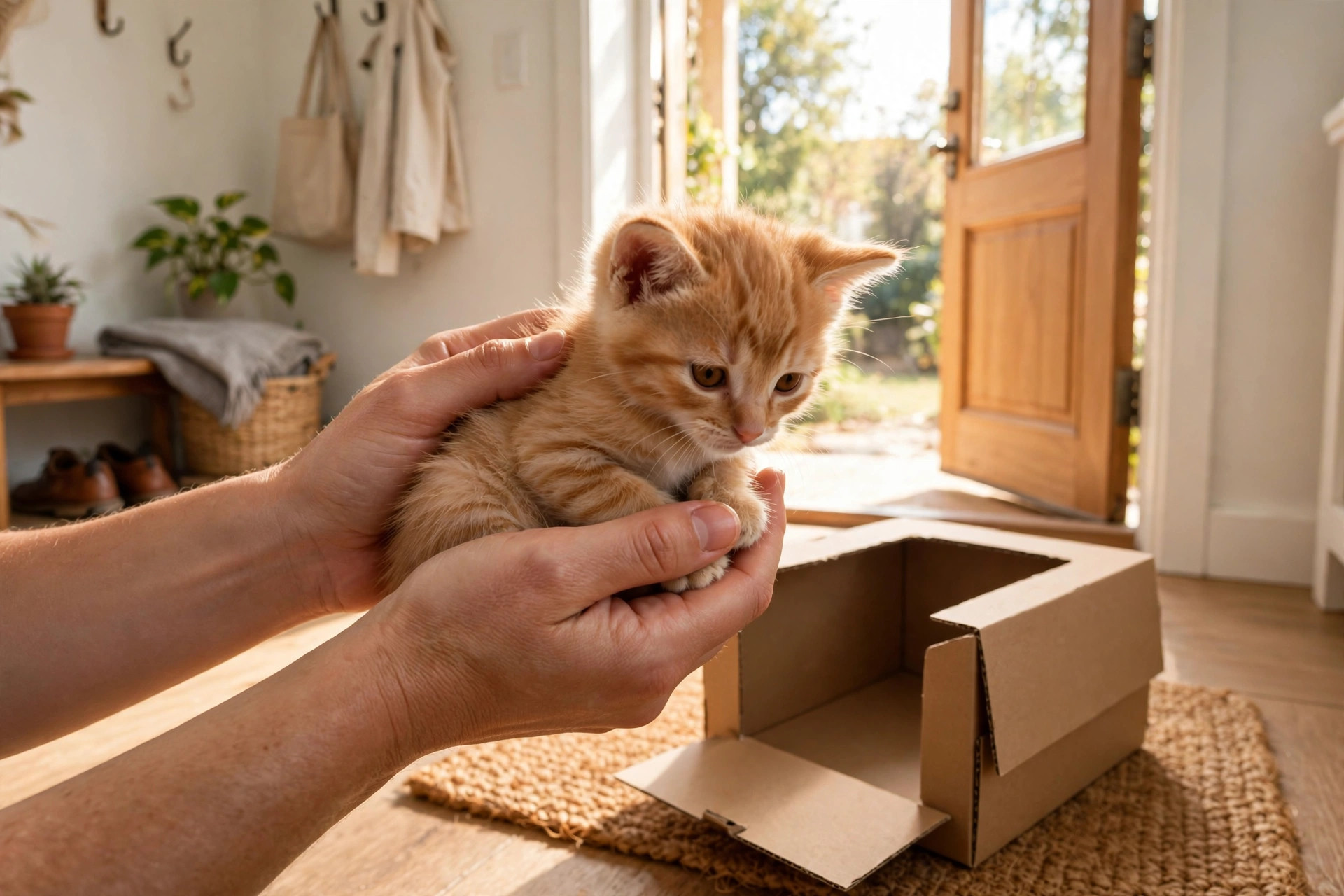
- Adopt, don't shop — especially adults. Adult cats (1+ years) often carry lower adoption fees than kittens, arrive litter-trained, and show you their real personality on day one.
- Check breed-specific rescues. Nearly every breed on this list has a dedicated rescue network with fees of $150–$400 — a fraction of breeder prices.
- Buy supplies secondhand. Carriers, litter boxes, and cat trees are easy to sanitize and cost 50–70% less used. Check local marketplace listings before buying new.
- Buy food and litter in bulk. Larger bags almost always win on cost per pound. Just store dry food sealed and cool.
- DIY the toys. Crumpled paper, cardboard boxes, and a feather on a string outperform most store-bought toys — cats vote with their paws.
- Budget for routine vet care. Annual checkups cost far less than the emergencies they help prevent. Build a small monthly pet-care line into your budget from day one.
- Learn the basics free. The ASPCA's cat care guides and the Cornell Feline Health Center offer excellent free owner education — knowledge is the cheapest pet supply there is.
FAQ: Cheapest Cat Breeds
What is the absolute cheapest cat to own?
A Domestic Shorthair adopted from a shelter — typically $25–$150, often including spay/neuter, initial vaccinations, and a microchip. No breeder price on this list comes close.
Are purebred cats always expensive?
No. Several pedigrees, including the Manx, Bombay, and Siamese, have modest breeder prices — and breed-specific rescues place purebreds for $150–$400. The expensive reputation comes from a handful of trendy breeds, not the whole pedigree world.
Do short-haired cats really cost less to own?
Generally, yes. Short coats mean minimal brushing, fewer hairballs around the house, and virtually no professional grooming bills. Over a cat's lifetime, that adds up to real savings versus high-maintenance coats.
Is it cheaper to adopt a kitten or an adult cat?
Adults are usually cheaper overall: lower adoption fees, fewer "first everything" supply purchases, and no kitten-phase replacement of chewed or scratched items. Kittens are adorable, but adults are the budget move.
How much should I budget per month for a cat?
Most owners spend $50–$100 per month on food, litter, and routine care for one cat, with setup costs of $200–$500 in the first month. See our full 2026 monthly cost breakdown for the detailed math.
Which cheap breed is best for first-time owners?
The American Shorthair and Domestic Shorthair are the classic beginner picks — easygoing, adaptable, and forgiving of rookie mistakes. The Burmese and Siamese suit owners who want a more interactive, talkative companion.
The Bottom Line
You don't need a big budget to share your home with a wonderful cat. A shelter Domestic Shorthair can cost less than a nice dinner to adopt, and even pedigree lovers have genuinely affordable options — the Manx, Bombay, Siamese, and their short-coated cousins keep both purchase prices and grooming bills low.
Ready to put real numbers on it? Try the free Cat Cost Calculator to estimate exactly what your future cat will cost each month — then go meet your new best friend. And if you're still deciding between species, our cheapest dog breeds guide makes for an interesting comparison.