Nothing prepares you for how quickly a puppy drains a wallet. One minute you're picking out a collar; three weeks later you're wondering how a 15-pound animal has its own Amazon purchase history.
This is the line-by-line breakdown of what a puppy's first year actually costs in 2026 — based on real prices, not shelter brochure optimism.
The Big Picture: $1,200–$2,500 for Year One
Most owners spend between $1,200 and $2,500 in the first 12 months. Small breeds trend toward the lower end; large breeds trend higher because everything — food, crates, medications sized by weight — costs more for a bigger dog.
Below is every major line item. Your numbers will vary by city and choices, but the categories won't.
One-Time Setup Costs: $250–$550
- Crate: $40–$120. A wire crate with a divider panel lets one crate grow with a puppy — don't buy three crates in a year.
- Bed: $25–$70. Honestly? A cheap washable one for the chewing phase, a nice one after.
- Bowls: $10–$30 for stainless steel or ceramic.
- Collar, harness, and leash: $25–$60. Puppies outgrow collars fast; adjustable ones pay for themselves.
- ID tag: $8–$15. Cheap insurance.
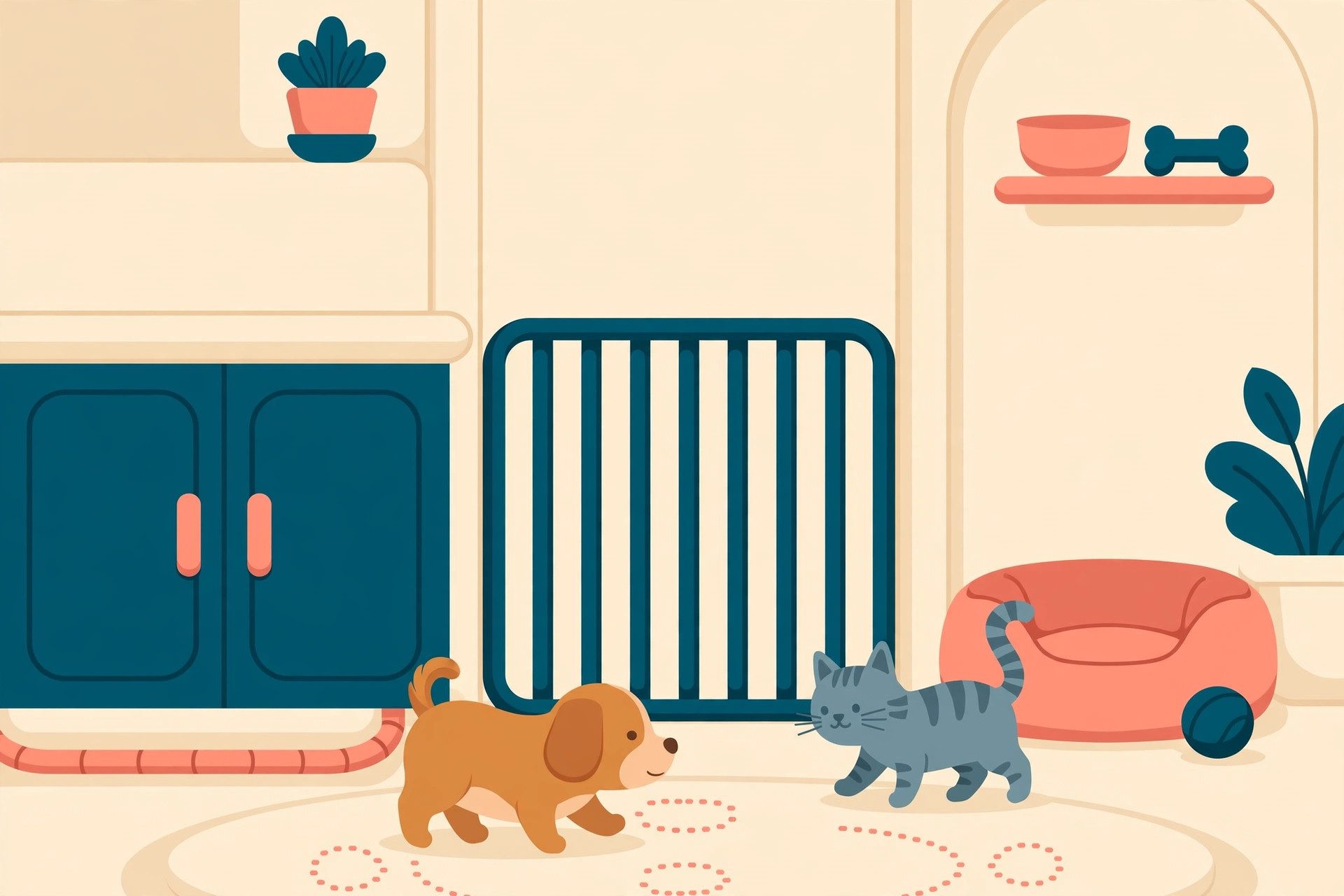
- Baby gates or playpen: $30–$80. These save your sanity and your baseboards.
- Initial toy and chew stash: $30–$50. Rotate them — a "new" toy every week keeps an old toy exciting.
- Grooming basics: $20–$50 (brush, nail clippers, puppy shampoo).
Food: $300–$700 for the Year
Puppy food runs about $25–$60 per month depending on breed size and the brand you choose. A small breed might cost you $25 a month; a future 90-pound dog can easily hit $60+.
Two money tips that actually work: buy the biggest bag size your puppy will finish in 6–8 weeks (stale kibble is wasted money), and ask your vet or the breeder/shelter what the puppy was already eating — a gradual switch beats an upset stomach and a wasted bag.
Routine Vet Care: $300–$700
The first year is the most vet-heavy year of a dog's life. Budget for:
- Wellness exams: 2–4 visits in the first year, $50–$100 each.
- Vaccinations: the puppy series plus boosters — your vet will quote you a package, typically $75–$200 for the series.
- Spay/neuter: $200–$500 at a private vet; low-cost clinics often do it for $75–$150. Many adopted puppies already have this done.
- Flea, tick, and heartworm prevention: $150–$300 for the year, sized to your dog's weight.
- The surprise visit: budget $100–$200 for the thing you didn't plan — the swallowed sock, the mystery limp, the "is this normal?" midnight worry. Puppies find trouble.
These are routine-care budget lines only. If you want a number tailored to your zip code and breed size, the Puppy First-Year Budget Planner walks you through every category with editable prices.
Training and Socialization: $0–$400
This category is genuinely optional-but-smart:
- Puppy kindergarten / group class: $100–$250 for a 6-week course. Worth it for first-time owners — you learn as much as the puppy does.
- Private trainer: $50–$100 per session for specific issues.
- DIY route: $0–$30 for a well-reviewed training book or video course, plus an enormous amount of patience.
Even if you go the DIY route, budget for puppy socialization outings — new environments, sounds, and friendly people cost nothing and pay off for the dog's entire life.
The Stuff That Adds Up: $150–$350
The miscellaneous category is where budgets quietly die:
- Treats for training: $10–$20/month. You'll use more than you think.
- Replacement toys and chews: $10–$15/month. Puppies destroy.
- Poop bags: $5–$10/month. Non-negotiable.
- Cleaning supplies: $30–$60 for the year (enzyme cleaner is the only thing that actually works on puppy accidents).
- Replacement collar/leash as they grow: $20–$40.
- Pet insurance (optional): $25–$60/month for accident-and-illness plans. Many owners skip it year one; it's a personal call.
Sample First-Year Totals by Breed Size
- Small breed (under 25 lbs): roughly $1,200–$1,800
- Medium breed (25–60 lbs): roughly $1,500–$2,100
- Large breed (60+ lbs): roughly $1,900–$2,500+
Add the adoption or purchase fee on top of these numbers — see our guide to dog adoption costs for that side of the math.
5 Ways to Cut First-Year Costs (Without Cutting Corners)
- Adopt, don't shop — the fee includes spay/neuter, shots, and a microchip worth $300–$800 at a private vet.
- Buy the crate once — a large crate with a divider beats buying three sizes.
- Ask about low-cost clinics — many areas have nonprofit spay/neuter and vaccine clinics at half the private price.
- Rotate toys instead of buying more — put half away and swap weekly.
- Make a budget before the puppy comes home — seriously. Open the Puppy First-Year Budget Planner, enter your local prices, and you'll know your number in five minutes.
The Month-by-Month Spending Curve
First-year costs aren't spread evenly — they front-load hard:
- Month 1: the most expensive month by far. Adoption or purchase fee + full setup ($250–$550) + first vet visit. Expect $600–$1,200 in a single month.
- Months 2–4: still elevated. Puppy vet series continues, you're replacing the first round of destroyed toys, and training class fees land here. Roughly $150–$250/month.
- Months 5–8: the calm stretch. Routine food, treats, and prevention. Roughly $80–$130/month.
- Months 9–12: spay/neuter often lands here if not done earlier ($200–$500), plus the adult-food transition.
Knowing this curve helps you plan: keep a $500 buffer for month one, and the rest of the year feels manageable.
Key Takeaways
- Year one costs $1,200–$2,500 for most puppies, with food and routine vet care as the two biggest ongoing lines.
- Setup alone runs $250–$550 before the puppy eats a single meal at your house.
- The "miscellaneous" category (treats, toys, poop bags, cleaning supplies) quietly adds $150–$350.
- Run your personalized numbers in the Puppy First-Year Budget Planner and explore more cost guides in the Money & Budget hub.