Bringing home your first dog is one of the most exciting decisions you will ever make. The right breed can turn the whole experience into pure joy, while the wrong one can leave a new owner overwhelmed. The secret is simple: some breeds are naturally more forgiving of rookie mistakes, easier to train, and more adaptable to everyday life than others.
This guide rounds up the 12 best dog breeds for first-time owners in 2026 — gentle, trainable breeds whose care needs fit a normal schedule — plus practical tips for choosing your match and answers to the questions new owners ask most.
What Makes a Dog Breed "Beginner-Friendly"?
Not every friendly dog is an easy first dog. When we say beginner-friendly, we mean a breed that scores well in five areas:
- Eager to learn. Food-motivated, people-pleasing dogs pick up house rules faster, which makes training feel rewarding instead of frustrating.
- Forgiving temperament. First-time owners will make mistakes. A beginner-friendly dog bounces back from inconsistent handling instead of developing fear or stubborn habits.
- Manageable energy. You should not need to be a marathon runner. The breeds below are happy with normal daily walks and playtime.
- Reasonable grooming needs. Some need a weekly brush; others need regular clipping. Either way, nothing here requires expert-level coat care.
- Adaptable to home life. Many of these breeds are just as happy in an apartment as in a house, as long as their exercise needs are met.
If you want a quick personalized answer before reading on, our free dog breed quiz matches breeds to your schedule, living space, and energy level in under two minutes.
The 12 Best Dog Breeds for First-Time Owners
1. Golden Retriever
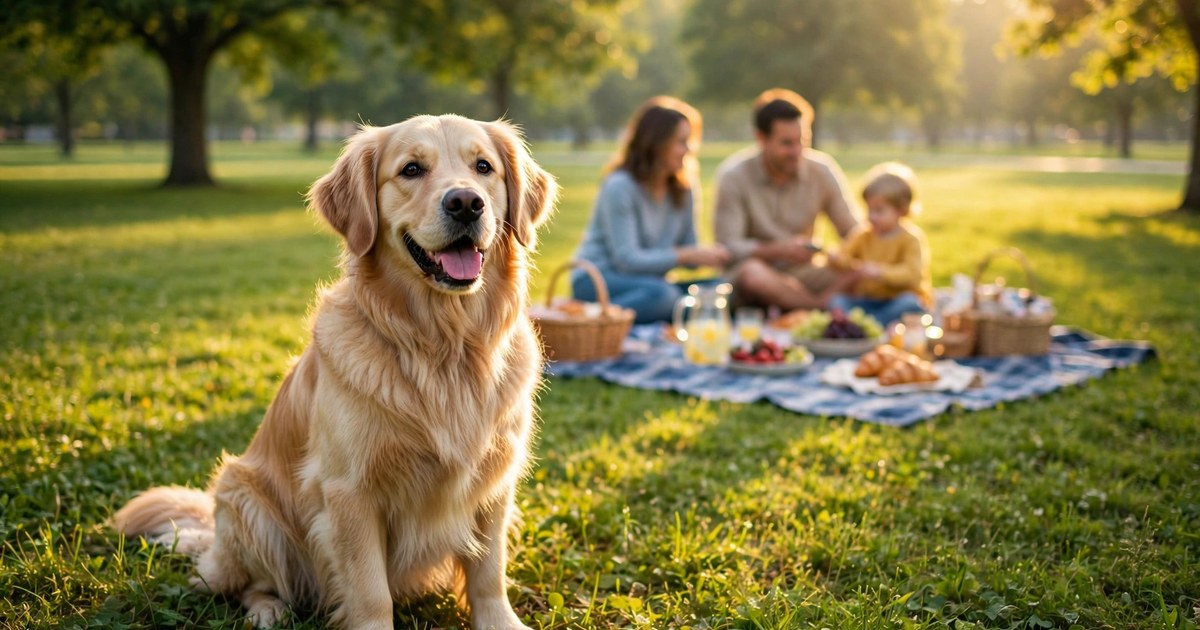
The Golden Retriever is the classic first dog for good reason. Goldens are famously gentle, patient, and eager to please, which makes them one of the easiest breeds to train. They adore people and get along wonderfully with children and other pets. Plan on daily walks and playtime, plus a few brushing sessions a week to manage their flowing coat. If your lifestyle has room for an active, affectionate companion, a Golden is hard to beat as a first dog.
2. Labrador Retriever
Labs share the Golden's friendly heart in a slightly more goofy package. They are highly food-motivated, which makes training easy — most Labs learn a new trick in a single session with treats. Their short coat needs only a weekly brush. Labs do need plenty of exercise, so they suit owners who enjoy long walks, fetch, or swimming. Few breeds reward a beginner's effort as quickly as a Labrador.
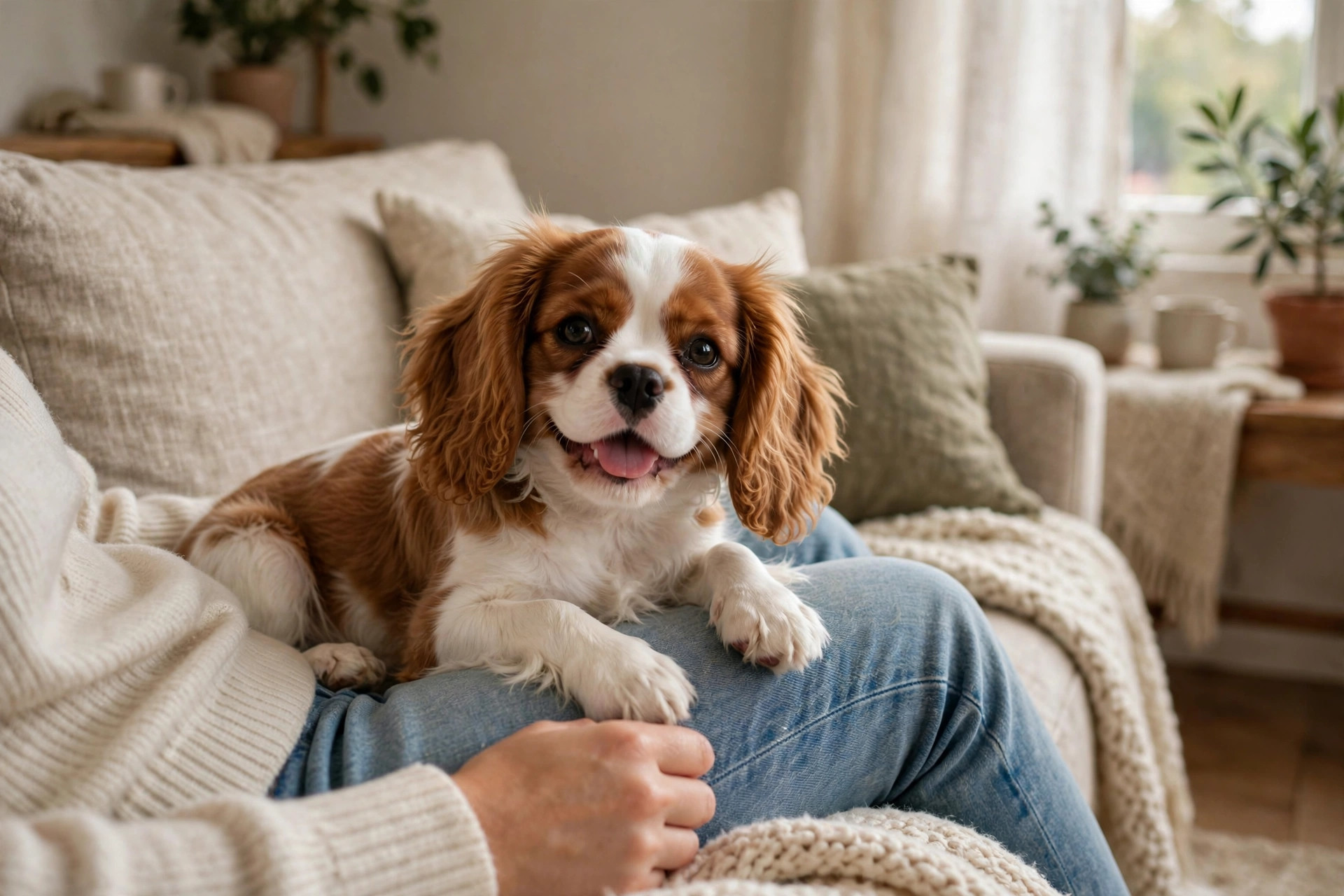
3. Cavalier King Charles Spaniel
If you want a smaller first dog, the Cavalier is a dream pick. These gentle little dogs were bred for companionship, and it shows — they are affectionate, adaptable, and rarely dramatic. Cavaliers fit beautifully into apartment life and need only moderate daily exercise. Their silky coat needs brushing a few times a week. They forgive training slip-ups quickly, which takes a lot of pressure off new owners.
4. Bichon Frise
Cheerful, playful, and famously low-shedding, the Bichon Frise is a wonderful first dog for people who want a small, happy companion. Bichons are smart and love learning tricks, and they get along well with kids and other pets. Their curly coat needs regular brushing and professional grooming every month or two to stay mat-free — the main commitment beyond daily walks and playtime.
5. Poodle (Toy or Miniature)
Poodles are among the smartest dogs on earth, and that intelligence is a beginner's best friend: they learn house rules, commands, and routines faster than almost any other breed. The Toy and Miniature sizes are ideal for first-time owners in smaller homes. Their low-shedding curly coat needs clipping every six to eight weeks.
6. Shih Tzu
Bred for centuries to be a royal companion, the Shih Tzu is calm, affectionate, and perfectly content with apartment living. Shih Tzus need only modest exercise — a couple of short daily walks and some indoor play will do. Their long coat needs regular brushing, though many owners keep them in a shorter, easier "puppy cut." For a first-time owner who wants a gentle lap dog with a sweet, easygoing nature, the Shih Tzu is a standout.
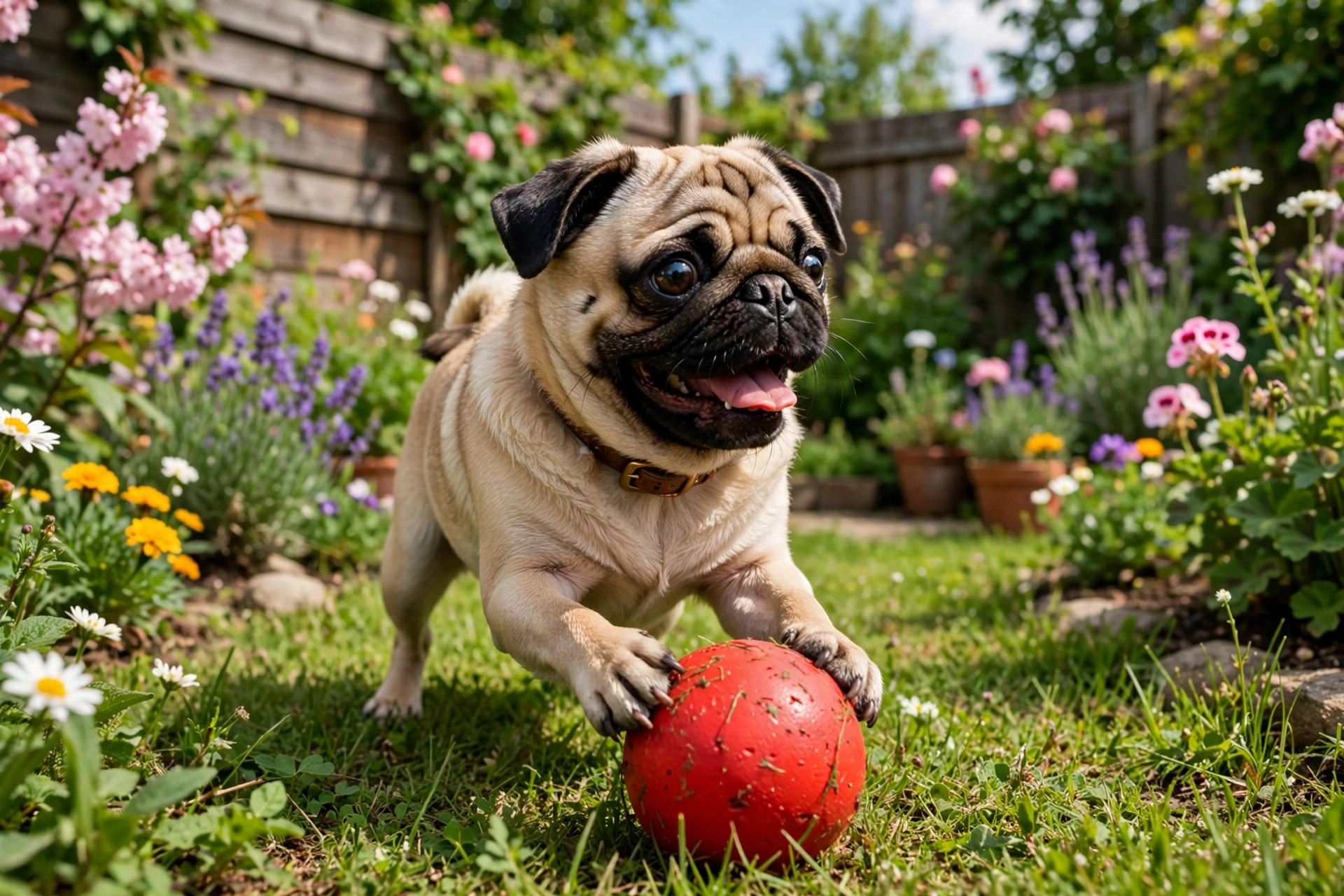
7. Pug
Pugs pack enormous personality into a compact, low-maintenance package. They are comical, deeply people-oriented, and satisfied with short walks and plenty of couch time, making them ideal for beginners with a relaxed lifestyle. Their short coat needs only occasional brushing. Pugs love being involved in whatever the family is doing and form strong bonds fast. Skip strenuous exercise and keep them cool on hot days — Pugs are built for comfort, not athletics.
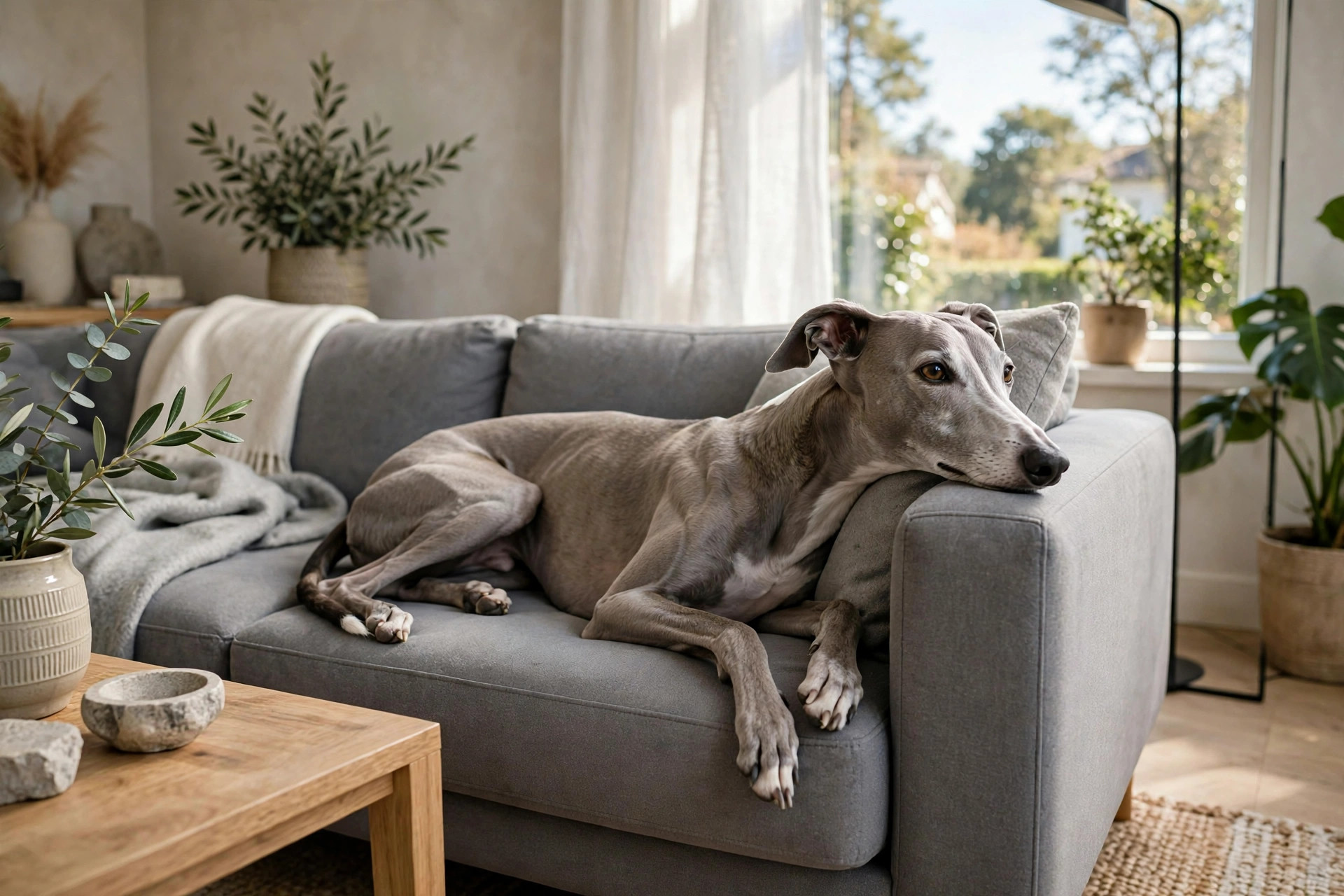
8. Greyhound
It surprises most first-time owners: retired and non-racing Greyhounds are some of the calmest, gentlest dogs you can bring home. Despite their speed, adult Greyhounds are legendary couch potatoes indoors — quiet, polite, and undemanding. Their short coat needs minimal care, and they are famously clean dogs. Daily walks plus an occasional sprint in a secure area keep them happy. If you want a large but low-fuss first dog, look at the Greyhound.
9. Boxer
Boxers are playful, loyal, and endlessly entertaining — a great first dog for an active household with kids. They are intelligent and respond well to consistent, positive training. They need solid daily exercise and clear house rules, suiting beginners ready to be hands-on. Their short coat is easy to care for, and their goofy devotion wins over first-time owners fast.
10. Boston Terrier
The Boston Terrier is a small, smart, comical companion that adapts easily to city and apartment life. Bostons are people-oriented and learn quickly, with a moderate energy level that fits a normal schedule — daily walks and play sessions are enough. Their short, sleek coat needs almost no grooming. For a first-time owner who wants a tidy, portable, big-personality dog, the Boston Terrier delivers.
11. Whippet
Whippets are gentle, quiet, and remarkably low-maintenance — many owners describe them as the easiest dogs they have ever lived with. Indoors, a Whippet is a soft, cuddly couch companion; outdoors, it loves a good run in a secure space. Their short coat needs barely any grooming. They respond best to gentle, positive handling — a lovely match for kind, patient first-time owners.
12. Havanese
The Havanese is a cheerful little companion breed that bonds deeply with its people and learns quickly. Havanese are playful without being hyper, making them a great fit for apartments and families alike. Their silky, low-shedding coat needs regular brushing to stay tangle-free. If you want a small first dog that is equal parts cuddle buddy and playful companion, the Havanese deserves a spot on your shortlist.
3 Breeds First-Time Owners Should Think Twice About
Honesty matters more than hype. These wonderful breeds are simply a tougher first project:
- Border Collie. Brilliant, but bred to work all day. Without a job and serious mental stimulation, a bored Border Collie will invent its own — usually destructive — entertainment.
- Belgian Malinois. Intense, high-drive working dogs that need experienced, confident handling from day one.
- Chow Chow. Independent and strong-willed, with heavy coat-care needs — a lot to manage while you are still learning the basics.
None of these are "bad" dogs. They are just better suited to owners who already have some dog experience under their belt.
How to Choose the Right First Dog for Your Lifestyle
A breed list is a starting point, not a decision. Before you commit, match the dog to your real life:
- Exercise time. Can you do 30–60 minutes of walks and play daily? Most breeds on this list are happy with that. Retrievers and Boxers want a bit more.
- Living space. Cavaliers, Bichons, Shih Tzus, Pugs, and Havanese thrive in apartments. Larger breeds need room to stretch out.
- Time at home. Dogs are social animals. If you are away 10 hours a day, even an easy breed will struggle — plan for a dog walker or choose a more independent companion.
- Budget. Food, supplies, grooming, and vet care add up. Run the numbers first with our free dog cost calculator so there are no surprises.
- Consider adoption. Shelters are full of wonderful beginner-friendly dogs, including already house-trained adults. Rescue staff are usually excellent at matching first-time owners with the right dog.
Still deciding? Our guide to the best apartment dog breeds for small spaces covers small-space living, and the dog breed lifestyle quiz post walks you through matching a breed to your routine.
First-Time Dog Owner FAQ
What is the easiest dog breed for a first-time owner?
The Golden Retriever and Cavalier King Charles Spaniel top most lists — Goldens are eager to please and quick to train, while Cavaliers are gentle, adaptable, and forgiving of beginner mistakes.
What is the best small dog breed for beginners?
The Cavalier King Charles Spaniel, Bichon Frise, Shih Tzu, Havanese, and Pug are all excellent small first dogs — friendly, sturdy, and easy to live with in smaller spaces.
Which dog breeds need the least grooming?
Short-coated breeds like the Boxer, Pug, Boston Terrier, Greyhound, Whippet, and Labrador need only a weekly brush. Low-shedding breeds like the Poodle, Bichon Frise, and Havanese shed less but need regular brushing and professional trims.
Are rescue dogs good for first-time owners?
Absolutely. Adult rescue dogs are often already house-trained and past the destructive puppy phase, and shelter staff can steer first-time owners toward calm, beginner-friendly matches.
How much daily exercise does a first dog need?
Most beginner-friendly breeds are content with 30–60 minutes of walks and play per day, plus mental play like training games and puzzle toys. Retrievers and Boxers appreciate a bit more activity.
Should my first dog be a puppy or an adult?
An adult dog is often the easier first choice — usually house-trained, calmer, with a known personality. Puppies need round-the-clock attention and patience; if you go the puppy route, our new puppy checklist tool keeps you organized from day one.
Ready to Meet Your First Dog?
Choosing a beginner-friendly breed is the best head start a first-time owner can get. Once you have a shortlist, take the next step: try our free dog breed quiz to see which breed fits your lifestyle, then have fun with the dog name generator to find the perfect name for your new best friend. The American Kennel Club's breed directory, the ASPCA's dog care resources, and VCA's breed library are also excellent places to research your finalists in depth.